
1. Introduction
Thank you for choosing the Prestige Deluxe Stainless Steel Baby Handi Pressure Cooker. This appliance is designed to combine the traditional aroma and taste of ethnic cooking with the efficiency and speed of modern pressure cooking. Its unique design allows for cooking and serving from the same vessel, maintaining its aesthetic appeal over time. This manual provides essential information for safe and effective use of your pressure cooker.

Image 1.1: The Prestige Deluxe Stainless Steel Baby Handi Pressure Cooker displayed in a modern kitchen environment, showcasing its sleek design.
2. Important Safety Instructions
Please read all instructions carefully before using your pressure cooker. Failure to follow these instructions may result in property damage or personal injury.
- Read All Instructions: Familiarize yourself with the cooker's operation and safety features before first use.
- Children: Close supervision is necessary when the pressure cooker is used near children. Do not allow children to operate the appliance.
- Heat Source: Use the pressure cooker only on appropriate heat sources as specified in the specifications section.
- Overfilling: Do not fill the cooker more than two-thirds full. When cooking foods that expand (e.g., rice, dried vegetables), do not fill more than half full.
- Proper Closure: Ensure the lid is properly closed and locked before applying heat.
- Pressure Release: Do not force the lid open. Ensure all internal pressure has been released before attempting to open the lid. The Pressure Indicator (PI) device will drop when pressure is released.
- Gasket and Safety Valve: Regularly inspect the gasket (sealing ring) and safety valve for wear or damage. Replace if necessary.
- Deep Frying: Never use the pressure cooker for deep frying with oil.
- Maintenance: Keep the pressure regulator vent pipe clear. Clean after each use.
- Handling: Use caution when moving a pressure cooker containing hot liquids.
3. Components
Your Prestige Deluxe Stainless Steel Baby Handi Pressure Cooker consists of the following main parts:
- Cooker Body: The main vessel for cooking.
- Lid with Handle: Secures to the cooker body to create a sealed environment.
- Pressure Regulator (Weight Valve): Regulates the pressure inside the cooker by releasing excess steam.
- Safety Valve: A secondary safety device designed to release pressure if the primary pressure regulator fails.
- Gasket (Sealing Ring): A rubber ring that fits inside the lid to create an airtight seal.
- Pressure Indicator (PI): A 2-in-1 safety device that rises when pressure is inside the cooker and drops when pressure is released.

Image 3.1: The main components of the pressure cooker, showing the stainless steel body and the lid with its handle and pressure regulating mechanism.

Image 3.2: An interior view of the pressure cooker lid, highlighting the gasket seating area and the safety valve mechanism.

Image 3.3: A close-up view of the cooker body's rim, showing the robust construction and design for secure lid fitting.
4. Setup and First Use
Before using your pressure cooker for the first time, follow these steps:
- Unpack: Carefully remove all packaging materials and read all included literature.
- Wash All Parts: Wash the cooker body, lid, gasket, and pressure regulator in warm, soapy water. Rinse thoroughly and dry completely.
- Inspect: Check the gasket for any cracks or damage. Ensure the safety valve and pressure regulator vent pipe are clear and free from obstructions.
- Insert Gasket: Place the gasket properly into the groove on the underside of the lid. Ensure it is seated evenly.
5. Operating Instructions
Follow these steps for safe and effective pressure cooking:
- Add Ingredients: Place your food and the required amount of liquid into the cooker body. Ensure you do not exceed the maximum fill levels (two-thirds full for most foods, half full for expanding foods).
- Close the Lid: Place the lid onto the cooker body, aligning the handles. Rotate the lid handle until it locks securely into place. Ensure the gasket is properly sealed.
- Place Pressure Regulator: Place the pressure regulator (weight valve) onto the vent pipe on the lid.
- Apply Heat: Place the cooker on your stove over medium-high heat.
- Pressure Build-Up: As pressure builds, the Pressure Indicator (PI) will rise. Steam will begin to escape from the pressure regulator with a hissing sound. This indicates that full pressure has been reached.
- Reduce Heat: Once full pressure is reached, reduce the heat to the lowest setting that maintains a steady release of steam from the pressure regulator.
- Cook: Cook for the time specified in your recipe.
- Release Pressure: Once cooking is complete, remove the cooker from the heat source. Allow the pressure to release naturally. The Pressure Indicator (PI) will drop when all pressure has been released. Do not attempt to open the lid until the PI has fully dropped.
- Open Lid: Once the PI has dropped, carefully remove the pressure regulator. Then, rotate the lid handle to unlock and open the lid away from your face to avoid any residual steam.
6. Maintenance and Cleaning
Proper maintenance ensures the longevity and safe operation of your pressure cooker.
- After Each Use: Wash the cooker body and lid in warm, soapy water. Rinse thoroughly and dry immediately to prevent water spots.
- Gasket: Remove the gasket from the lid after each use and wash it separately. Ensure it is clean and dry before storing. Replace the gasket if it becomes hard, cracked, or loses its elasticity (typically every 12-18 months with regular use).
- Pressure Regulator and Vent Pipe: Ensure the vent pipe on the lid is clear of any food particles. Clean the pressure regulator thoroughly.
- Safety Valve: Periodically check the safety valve for any blockages. Do not attempt to disassemble the safety valve unless instructed by a qualified technician.
- Storage: Store the pressure cooker with the lid inverted on top of the body to allow air circulation and prevent odors.
- Do Not Use Abrasives: Avoid using abrasive cleaners or scouring pads, as they can scratch the stainless steel finish.
7. Troubleshooting
If you encounter any issues with your pressure cooker, refer to the following common problems and solutions:
- Steam Leaks from Lid Edge:
- Check if the lid is properly closed and locked.
- Inspect the gasket for proper seating, damage, or wear. Replace if necessary.
- Ensure the rim of the cooker body is clean and free from food particles.
- Pressure Not Building / Pressure Indicator Not Rising:
- Ensure there is sufficient liquid in the cooker.
- Check for steam leaks from the lid edge (see above).
- Verify the pressure regulator is correctly placed on the vent pipe.
- Ensure the heat source is adequate.
- Food Sticking to Bottom:
- Ensure adequate liquid is used for the recipe.
- Reduce heat once full pressure is reached.
- Difficulty Opening Lid After Pressure Release:
- Ensure the Pressure Indicator (PI) has fully dropped. If not, wait longer or run cold water over the lid (avoiding the vent) to cool it down.
- Check if any food particles are obstructing the lid mechanism.
If problems persist, contact customer support.
8. Specifications
| Brand | Prestige |
| Model Number | PRSSH2 |
| Capacity | 2 Liters |
| Material | Stainless Steel |
| Color | Silver |
| Product Dimensions (D x W x H) | 14"D x 8"W x 6"H |
| Item Weight | 1520 g |
| Special Feature | Locking Lid, Pressure Indicator (PI) |
| Closure Type | Inner Lid, Outer Lid |
| Control Method | Manual |
| UPC | 882630306239 |
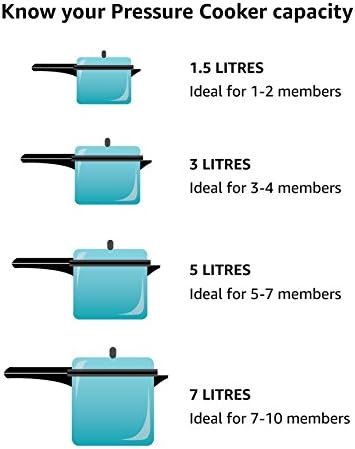
Image 8.1: A visual guide illustrating different pressure cooker capacities and their ideal serving sizes.
9. Warranty and Support
This Prestige Deluxe Stainless Steel Baby Handi Pressure Cooker is covered by the manufacturer's warranty. Please refer to the warranty card included with your product for specific terms, conditions, and duration.
For technical support, service, or warranty claims, please contact Prestige customer service through their official website or the contact information provided in your product packaging.