1. Introduction
The Guardian Poly Steel Vertical Lifeline Assembly is a critical component of a personal fall arrest system, designed to provide reliable fall protection in various work environments, especially those with high moisture. This assembly is engineered for durability, resistance to environmental factors, and ease of use, ensuring user safety when working at height.
This manual provides essential information for the proper use, inspection, and maintenance of your Guardian Poly Steel Vertical Lifeline Assembly. Adherence to these instructions is crucial for ensuring the safety and longevity of the equipment.
2. Safety Information
WARNING: Failure to follow these instructions and warnings may result in serious injury or death. This equipment must only be used by trained and competent persons.
- Always inspect the lifeline assembly before each use for any signs of damage, wear, or degradation.
- Ensure all components are compatible and correctly connected as part of a complete personal fall arrest system.
- The lifeline must be anchored to a structure capable of supporting the intended loads, as specified by OSHA and ANSI standards.
- Do not use this product if it has been subjected to a fall arrest event. It must be immediately removed from service.
- Protect the lifeline from sharp edges, abrasive surfaces, and chemical exposure.
- Refer to all applicable local, state, and federal regulations (e.g., OSHA, ANSI) for fall protection requirements.
3. Product Components
The Guardian Poly Steel Vertical Lifeline Assembly typically includes the following components:
- Poly Steel Rope: The primary lifeline, made from a synthetic polymer that resists water absorption, UV damage, cuts, and abrasion.
- Rope Grab/Positioning Device: A mechanism that attaches to the lifeline, allowing the user to move freely while providing fall protection.
- Shock Absorber: An energy-absorbing component designed to reduce the forces exerted on the user during a fall.
- Extension Lanyard (18-inch): Provides additional reach and connection flexibility.
- Double-Locking Snap Hooks/Carabiners: Connectors for attaching the lifeline to an anchor point and the user's harness.

Figure 1: Guardian Poly Steel Vertical Lifeline Assembly (Yellow Rope). This image shows the coiled yellow poly steel rope, a rope grab device, a shock absorber, and two double-locking snap hooks, illustrating the complete assembly.

Figure 2: Guardian Poly Steel Vertical Lifeline Assembly (Green Rope). This image displays a similar lifeline assembly, but with a green poly steel rope, coiled and ready for use, alongside its connecting components.
4. Setup and Installation
- Anchor Point Selection: Identify a suitable anchor point that meets OSHA and ANSI requirements (e.g., capable of supporting 5,000 lbs per worker or meeting a 2:1 safety factor for certified anchorages). The anchor point should be located directly above the work area to minimize swing fall hazards.
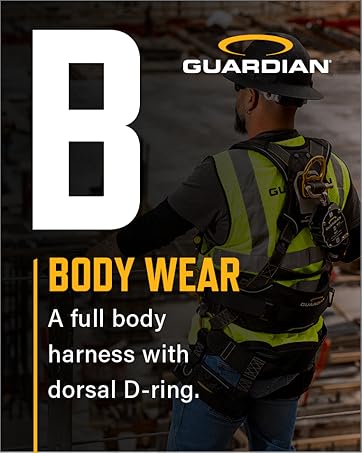
Figure 3: Anchor Points. This image illustrates the concept of anchor points, which are the secure locations where fall protection equipment, such as a lifeline, is attached.
- Lifeline Deployment: Securely attach one end of the Poly Steel Lifeline to the chosen anchor point using a compatible connector (e.g., a double-locking snap hook or carabiner). Ensure the connection is free of twists and is fully engaged.
- Rope Grab Attachment: Attach the rope grab to the lifeline. Ensure it is oriented correctly to allow free movement up and down the rope while locking securely in a fall.
- Harness Connection: Connect the rope grab (via its lanyard and shock absorber) to the dorsal D-ring of your full-body harness. Verify that all connections are secure and properly engaged.
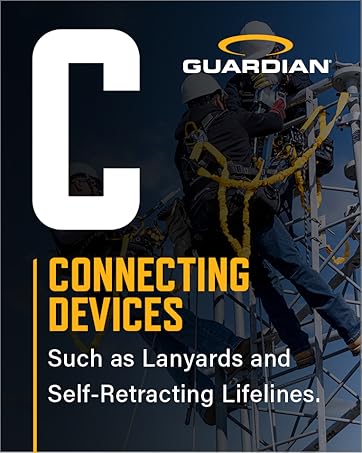
Figure 4: Body Wear. This image depicts a worker wearing a full-body harness, emphasizing the importance of proper body wear in a fall protection system.

Figure 5: Connecting Devices. This image highlights various connecting devices, such as lanyards and self-retracting lifelines, which link the body wear to the anchor point.
- Clearance Calculation: Before beginning work, calculate the required fall clearance to ensure that, in the event of a fall, the user will not strike any lower level or obstruction. Account for lifeline elongation, lanyard length, shock absorber deployment, and user height.
5. Operating Instructions
- Move along the lifeline by manually sliding the rope grab. Ensure the rope grab is always positioned above your working level to minimize fall distance.
- Maintain a clear work area, free from obstructions that could interfere with the lifeline or cause entanglement.
- Avoid unnecessary slack in the lifeline. The rope grab should be kept as taut as possible while allowing for comfortable movement.
- In the event of a fall, the rope grab will automatically engage, and the shock absorber will deploy. After a fall, the entire system must be immediately removed from service and inspected by a competent person.
6. Maintenance and Inspection
6.1 Pre-Use Inspection
Before each use, perform a thorough visual inspection of the entire lifeline assembly:
- Rope: Check for cuts, abrasions, fraying, discoloration, melted spots, or any signs of chemical damage. While poly steel may become fibrous with normal wear, excessive damage indicates a need for replacement.
- Rope Grab: Ensure the mechanism operates smoothly, locks securely, and shows no signs of deformation, cracks, or corrosion.
- Shock Absorber: Inspect the outer casing for tears or damage. Ensure the indicator is not deployed, which would signify a fall event.
- Connectors (Snap Hooks/Carabiners): Verify that gates open and close freely, and that the locking mechanisms engage fully. Check for distortion, cracks, sharp edges, or corrosion.
- Stitching/Webbing: Examine all stitching patterns for loose threads, cuts, or pulled stitches. Inspect webbing for cuts, fraying, or chemical damage.
6.2 Periodic Inspection
A competent person must perform a detailed inspection at least every six months, or more frequently depending on usage and environmental conditions. Maintain inspection records.
6.3 Cleaning and Storage
- Clean the lifeline assembly with mild soap and water. Rinse thoroughly and allow to air dry completely away from direct sunlight or heat.
- Store the assembly in a cool, dry, clean area, away from direct sunlight, extreme temperatures, corrosive chemicals, and other damaging elements.
7. Troubleshooting
| Problem | Possible Cause | Solution |
|---|---|---|
| Rope grab does not slide freely. | Rope is twisted or knotted; debris in mechanism; rope grab oriented incorrectly. | Untwist/unknot rope; clean mechanism; ensure correct orientation (refer to markings). |
| Signs of fraying or damage on rope. | Normal wear (fibrous appearance); contact with sharp edges/abrasion; chemical exposure. | If excessive or due to damage, remove from service immediately. Protect rope from hazards. |
| Connectors (snap hooks) are stiff or corroded. | Lack of maintenance; exposure to moisture/chemicals. | Clean and lubricate (if recommended by manufacturer); if corrosion affects function, remove from service. |
| Shock absorber deployed. | Product has been subjected to a fall arrest event. | Remove from service immediately. Do not reuse. |
8. Specifications
| Attribute | Detail |
|---|---|
| Model Number | 01326 |
| Lifeline Length | 200 feet |
| Material | Synthetic polymer and steel |
| Rope Thickness | 5/8 inches (0.63 inches) |
| Tensile Strength | 8,820 pounds |
| Item Weight | 19.86 pounds (9.03 Kilograms) |
| Style | Lifeline Assembly |
| UPC | 672421013268 |
9. Warranty and Support
Guardian Fall Protection products are designed and manufactured to high standards. For specific warranty information regarding your Poly Steel Vertical Lifeline Assembly, please refer to the warranty documentation included with your purchase or visit the official Guardian Fall Protection website. General warranty terms typically cover defects in materials and workmanship under normal use.
For technical support, product inquiries, or assistance with specific applications, please contact Guardian Fall Protection customer service directly. Contact information can usually be found on the product packaging or the manufacturer's website.


