
1. Introduction
The Briggs & Stratton 19200 Tachometer is a genuine Briggs & Stratton replacement part designed for use with small gasoline engines. This OEM part ensures proper fit and performance, helping to maintain the life and optimal operation of your Briggs & Stratton engine. It is a mechanical resonance device used to measure engine RPM (Revolutions Per Minute) and cycles per second.
Key features include:
- Genuine Briggs & Stratton Part Number 19200
- Measurement Range: 800-25,000 RPM
- Durable plastic construction
2. Safety Information
Always prioritize safety when working with engines and machinery. Read and understand all instructions before using the tachometer.
- Ensure the engine is in a well-ventilated area to prevent carbon monoxide buildup.
- Keep hands, hair, and loose clothing away from moving parts of the engine.
- Wear appropriate personal protective equipment (PPE), such as safety glasses and gloves.
- Do not touch hot engine components.
- Use caution when adjusting engine settings while it is running.
3. Components
The Briggs & Stratton 19200 Tachometer is a simple, robust mechanical device. It consists of a main housing, a rotating dial with measurement scales, and a flexible wire or reed.

Figure 3.1: Close-up of the tachometer's measurement dial and flexible wire.
This image displays the central dial of the tachometer, which features two scales: one for RPM (Revolutions Per Minute) and another for Cycles per Second. A small, flexible wire, crucial for the device's operation, is visible extending from the side of the dial.
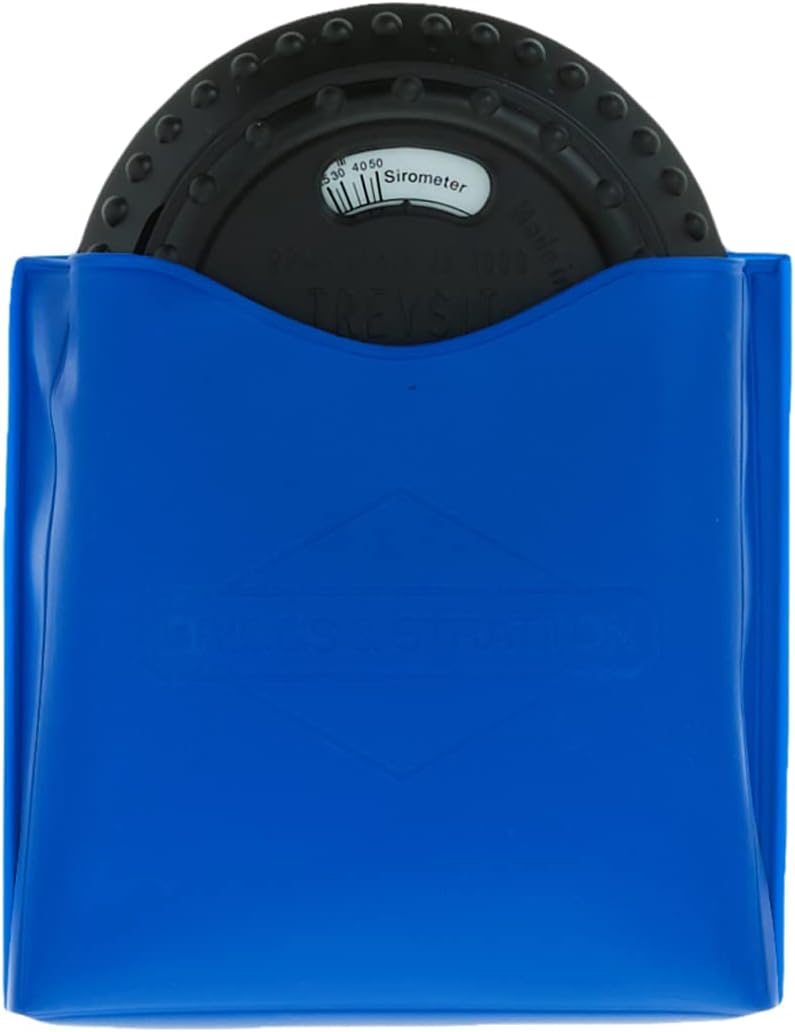
Figure 3.2: Briggs & Stratton 19200 Tachometer in its protective pouch.
The tachometer is shown here partially inserted into its blue protective pouch, highlighting its compact and portable design. The top portion of the black tachometer, including part of its measurement dial, is visible.
4. Setup
The Briggs & Stratton 19200 Tachometer requires minimal setup due to its mechanical nature. No batteries or complex connections are needed.
- Unpack the Tachometer: Carefully remove the tachometer from its packaging and protective pouch.
- Familiarize Yourself: Observe the dial, the flexible wire, and the mechanism for rotating the dial.
- Prepare the Engine: Ensure the engine you intend to measure is in a safe, stable position and ready to be started.
5. Operating Instructions
The Briggs & Stratton 19200 Tachometer operates on the principle of mechanical resonance. It measures RPM by finding the point at which its internal wire vibrates in harmony with the engine's vibrations.
- Start the Engine: Start the engine you wish to measure and allow it to reach its normal operating temperature or desired RPM.
- Position the Tachometer: Hold the tachometer firmly against a vibrating part of the engine. Common points include the engine block, cylinder head, or spark plug wire (ensure good contact without damaging the wire).
- Adjust the Dial: While holding the tachometer against the engine, slowly rotate the dial. As you rotate, observe the flexible wire.
- Identify Resonance: Continue rotating the dial until the flexible wire begins to vibrate vigorously and cyclically, reaching its maximum amplitude. This indicates you have found the resonance point.
- Read the Measurement: Once the wire is vibrating at its maximum, stop rotating the dial. Carefully remove the tachometer from the engine and read the RPM value indicated by the pointer on the dial. The dial typically has scales for both RPM and cycles per second.
- Practice for Accuracy: Achieving accurate readings may require some practice. The key is to identify the precise point of maximum resonance. If the reading seems inconsistent, try repositioning the tachometer or repeating the process.
Note: This device is most effective on single-cylinder engines or engines where the primary vibration frequency directly correlates to engine RPM. For multi-cylinder engines, especially those with complex firing orders or internal balancing, results may vary. It is not suitable for machines with speed-changing transmissions or gear drives where the vibration frequency does not directly match engine speed.
6. Maintenance
The Briggs & Stratton 19200 Tachometer is designed for durability and requires minimal maintenance.
- Cleaning: Wipe the tachometer with a clean, dry cloth after each use to remove any dirt, oil, or debris. Do not use harsh chemicals or abrasive cleaners.
- Storage: Store the tachometer in its protective pouch in a cool, dry place, away from direct sunlight and extreme temperatures.
- Inspection: Periodically inspect the flexible wire for any signs of damage or bending. While robust, excessive force or improper handling can affect its accuracy.
7. Troubleshooting
If you encounter issues while using your tachometer, consider the following:
| Problem | Possible Cause | Solution |
|---|---|---|
| Inconsistent Readings | Improper contact with engine; not finding true resonance point; engine vibration too weak or erratic. | Ensure firm and consistent contact. Practice rotating the dial slowly to pinpoint the peak vibration. Try different contact points on the engine. Ensure engine is running smoothly. |
| Wire not vibrating | No engine vibration; tachometer not making good contact; wire damaged. | Verify engine is running and vibrating. Adjust contact point and pressure. Inspect the wire for damage; if damaged, replacement may be necessary. |
| Difficulty reading dial | Poor lighting; glare. | Move to a well-lit area. Adjust your viewing angle to minimize glare. |
8. Specifications
| Attribute | Detail |
|---|---|
| Brand | Briggs & Stratton |
| Model Number | 19200 |
| Material | Plastic |
| Item Dimensions (L x W x H) | 6.75 x 1 x 7 inches (17.15 x 2.54 x 17.78 cm) |
| Item Weight | 1.6 ounces (45.36 grams) |
| Measurement Range | 800-25,000 RPM |
| UPC | 024847905168 |
| Manufacturer | Briggs & Stratton |

Figure 8.1: Tachometer dimensions in hand.
This image illustrates the compact size of the tachometer, held in a hand, with an overlay indicating its approximate height of 4.8 inches (12 cm).
9. Warranty and Support
As a genuine Briggs & Stratton part, this tachometer is manufactured to high standards. For specific warranty information, please refer to the official Briggs & Stratton warranty policy for genuine replacement parts.
For additional support, product information, or to find other genuine Briggs & Stratton parts, please visit the official Briggs & Stratton store or website:
Visit the Briggs & Stratton Store

Figure 9.1: Briggs & Stratton Genuine Parts Logo.
This logo signifies that the product is a genuine Briggs & Stratton part, ensuring quality and compatibility.