
Introduction
This manual provides comprehensive service, repair, and maintenance information for 1984 Dodge Ram Van and Wagon models B150, B250, and B350. It is designed for automotive technicians and experienced DIY enthusiasts to perform various procedures correctly and safely. All information contained herein is based on the original factory specifications and procedures.
Refer to this manual for detailed instructions on engine, transmission, chassis, electrical systems, body, and more. Always prioritize safety and use appropriate tools and equipment when performing any service or repair.
General Information
This manual covers the following 1984 Dodge Ram Van and Wagon models:
- Dodge Ram Van B150
- Dodge Ram Van B250
- Dodge Ram Van B350
- Dodge Ram Wagon B150
- Dodge Ram Wagon B250
- Dodge Ram Wagon B350
It includes detailed diagrams, exploded views, and step-by-step instructions to guide you through complex repair processes. Familiarize yourself with the manual's layout before beginning any work.
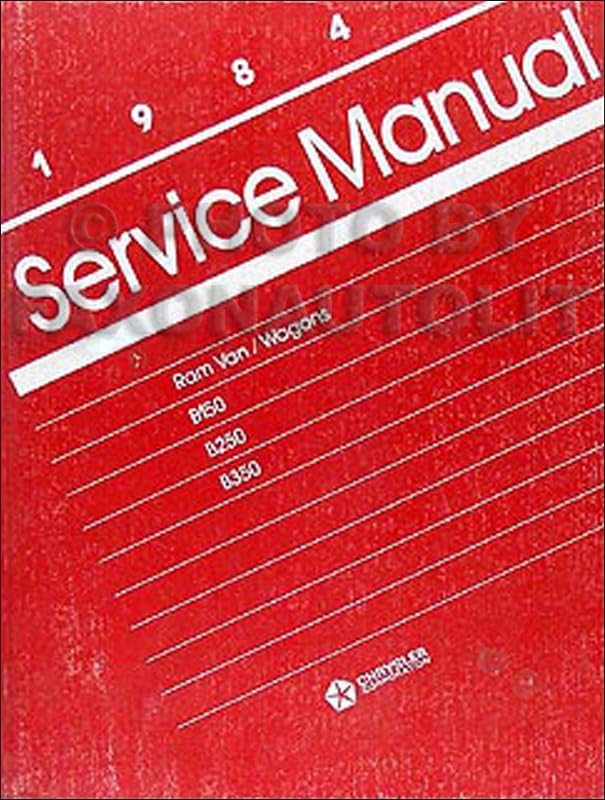
Image: Front cover of the official 1984 Dodge Ram Van and Wagon Repair Shop Manual. This image displays the manual's title and a graphic of a vintage Dodge van, indicating the vehicle models covered by the manual.
Preparation and Safety
Before attempting any repair or maintenance, ensure you have read and understood all relevant sections of this manual. Always observe the following safety precautions:
- Wear appropriate personal protective equipment (PPE), including safety glasses, gloves, and sturdy footwear.
- Disconnect the battery's negative terminal before working on electrical components.
- Ensure the vehicle is securely supported on jack stands when working underneath it. Never rely solely on a jack.
- Work in a well-ventilated area, especially when dealing with fuels, solvents, or exhaust fumes.
- Have a fire extinguisher readily available.
- Use only the specified tools and equipment for each task.
- Follow all torque specifications provided in the manual.
Repair Procedures
This section outlines the step-by-step procedures for various repairs. Each procedure is organized by vehicle system.
Engine Overhaul
- Preparation: Drain engine oil and coolant. Disconnect battery.
- Removal: Remove all ancillary components, intake manifold, exhaust manifold, cylinder heads, and oil pan.
- Disassembly: Carefully disassemble the engine block, noting the position and condition of all components.
- Inspection: Inspect all parts for wear, damage, or corrosion. Refer to specifications for tolerances.
- Reassembly: Clean all components thoroughly. Replace worn parts. Reassemble following reverse order of disassembly, applying new gaskets and seals as required. Adhere strictly to torque specifications.
- Installation: Reinstall the engine into the vehicle, reconnecting all systems.
- Initial Start-up: Fill with new oil and coolant. Bleed air from cooling system. Start engine and check for leaks or unusual noises.
Brake System Service
Detailed instructions for inspecting, replacing, and bleeding brake components, including master cylinder, calipers, wheel cylinders, brake lines, and parking brake.
- Front Disc Brake Pad Replacement
- Rear Drum Brake Shoe Replacement
- Brake Fluid Flushing and Bleeding
- Master Cylinder Removal and Installation
Scheduled Maintenance
Regular maintenance is crucial for the longevity and reliable operation of your Dodge Ram Van or Wagon. This section provides a schedule and procedures for routine service tasks.
Maintenance Schedule (Typical Intervals)
| Service Item | Interval |
|---|---|
| Engine Oil and Filter Change | Every 3,000 miles or 3 months |
| Tire Rotation | Every 6,000 miles or 6 months |
| Air Filter Inspection/Replacement | Every 12,000 miles or 12 months |
| Spark Plug Inspection/Replacement | Every 24,000 miles or 24 months |
| Brake System Inspection | Every 12,000 miles or 12 months |
Note: These are general guidelines. Refer to the specific maintenance chapter in the manual for detailed intervals and procedures based on your vehicle's usage and conditions.
Troubleshooting
This section provides guidance for diagnosing common problems that may occur with your vehicle. It is organized by symptom to help you quickly identify potential causes and solutions.
Engine Starting Problems
- Engine cranks but won't start: Check fuel supply, ignition system (spark plugs, distributor), and compression.
- Engine won't crank: Check battery charge, starter motor, and ignition switch.
- Engine starts then stalls: Inspect fuel filter, fuel pump, carburetor/fuel injection system, and vacuum leaks.
Brake System Issues
- Spongy brake pedal: Air in the hydraulic system, low brake fluid, or faulty master cylinder.
- Brakes pull to one side: Unevenly worn pads/shoes, seized caliper/wheel cylinder, or contaminated brake lining.
- Squealing/Grinding noise: Worn brake pads/shoes, foreign object, or glazed rotors/drums.
For detailed diagnostic charts and specific repair steps, refer to the dedicated troubleshooting chapters within the manual.
Specifications
This section provides critical technical specifications for the 1984 Dodge Ram Van and Wagon models, including engine data, fluid capacities, torque specifications, and dimensions.
Engine Specifications (Example for a common engine type)
- Engine Type: 5.2L (318 cu in) V8
- Bore x Stroke: 3.91 in x 3.31 in (99.3 mm x 84.1 mm)
- Compression Ratio: 8.4:1
- Ignition Timing: Refer to underhood decal (typically 10° BTDC)
- Spark Plug Gap: 0.035 inches (0.89 mm)
Fluid Capacities
- Engine Oil (with filter): 5 quarts (4.7 liters)
- Cooling System: 16 quarts (15.1 liters)
- Automatic Transmission: 4 quarts (3.8 liters) for pan drop, 10-12 quarts (9.5-11.4 liters) for overhaul
- Fuel Tank: 20-35 gallons (75-132 liters) depending on model
Note: Always verify specific capacities and torque values for your exact vehicle configuration within the detailed specification tables provided in the manual.
Support Information
For additional support, genuine Mopar parts, or professional service, please consult an authorized Dodge service center. While this manual provides comprehensive information, complex repairs may require specialized tools and expertise.
For further inquiries regarding this manual or specific vehicle information, you may refer to official Dodge publications or historical automotive resources.
- Mopar Official Website (for parts and accessories)
- Chrysler Owners Site (for general owner resources, though specific 1984 information may be archived)


