1. General Description
This manual is a high-quality reproduction of the original owner's manual provided with your 1953, 1954, or 1955 Ford NAA or Golden Jubilee tractor. It serves as a comprehensive guide for understanding and maintaining your tractor. The manual covers essential information for both the NAA and Golden Jubilee models, ensuring you have the necessary details for proper care and operation.
It includes detailed specifications, operational instructions, maintenance procedures, adjustment guidelines, and minor repair information for various tractor components.

Figure 1 & 2: Illustrations showing the 1953-1955 Ford NAA Tractor from a 3/4 front view and a 3/4 rear view. These diagrams provide a visual overview of the tractor's exterior components and general design.
2. Operating Your Tractor
This section provides instructions for the safe and efficient operation of your Ford NAA or Golden Jubilee tractor.
Safety Guidelines
- Always review driver and passenger safety information before operating the tractor.
- Ensure all controls are understood and functioning correctly.
Controls and Instruments
Familiarize yourself with the tractor's dashboard and control levers. Key instruments include the ammeter, engine oil pressure gauge, and engine temperature gauge. Controls include the throttle, choke, starting button, clutch pedal, shift lever, and brake pedals.
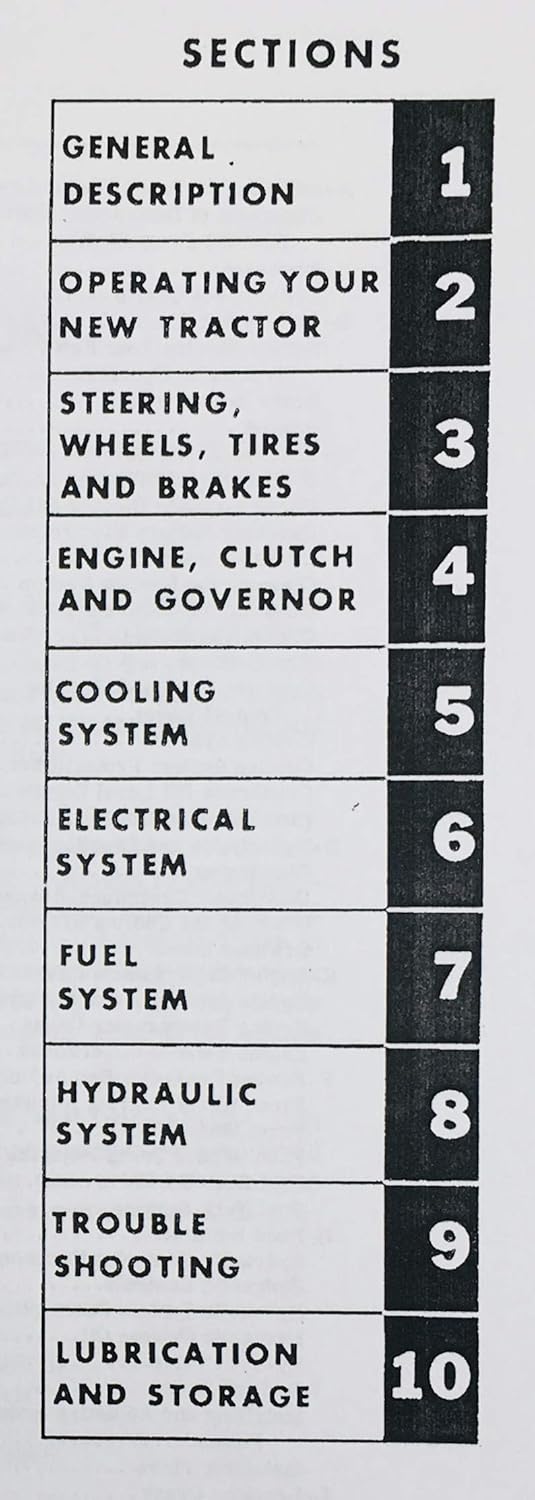
Figure 5: A detailed diagram illustrating the controls and instruments panel of the Ford NAA Tractor. Labels include the Ammeter, Engine Oil Pressure Gauge, Engine Temperature Gauge, Throttle Control, Choke Control, Starting Button, Clutch Pedal, Shift Lever, and Brake Pedals. This image is crucial for understanding the tractor's operational interface.
Starting the Engine
To start the engine, ensure the fuel shut-off valve is open and the choke control is adjusted as needed. Engage the starting button while following the recommended procedure for your tractor model. Always check fluid levels and tire pressure before starting.
Fuel Shut-Off Valve
The fuel shut-off valve is located at the right rear underside of the fuel tank adjacent to the carburetor. Turn the valve to the right (clockwise) to allow fuel flow to the carburetor. To use the reserve supply, turn the valve to the left (counter-clockwise).
3. Steering, Wheels, Tires, and Brakes
Proper maintenance of these components is vital for safe operation and control.
- Tire Pressure: Regularly check and maintain correct tire pressure as specified in the manual.
- Wheels & Tires: Inspect for wear, damage, and proper mounting.
- Brakes: Ensure brakes are in good working order for effective stopping power.
- Steering: Check for smooth operation and any excessive play.
4. Engine, Clutch, and Governor
This section details the care and adjustment of the tractor's power train components.
- Engine: Instructions for minor repairs, adjustments, and monitoring engine oil pressure.
- Clutch: Guidelines for proper adjustment and maintenance to ensure smooth power transfer.
- Governor: Information on maintaining the governor for consistent engine speed under varying loads.
5. Cooling System
Maintaining the cooling system is essential to prevent engine overheating.
- Regularly check coolant levels and condition.
- Inspect hoses and radiator for leaks or damage.
- Ensure the fan belt is properly tensioned.
6. Electrical System
The electrical system powers various components, including ignition and lighting.
- Fuses: Instructions for checking and replacing fuses.
- Battery: Maintenance tips for the battery, including fluid levels and terminal cleaning.
- Ammeter: Understand the ammeter readings to monitor battery charging and discharging.
7. Fuel System
Proper fuel system maintenance ensures efficient engine performance.
Carburetor Air Cleaner
The carburetor air cleaner is designed to filter incoming air. Regular cleaning is essential for preventing dirt and debris from entering the engine, which can cause wear and reduce performance. The manual provides instructions for cleaning the air cleaner system, including the oil cup and filtering mesh.
Fuel Tank Service
To maintain fuel system cleanliness, periodically drain accumulated sediment and water from the fuel tank. The fuel tank capacity is approximately eleven gallons. The manual provides instructions for this procedure.

Figure 54 & 55: Diagrams illustrating carburetor adjustments, including the main adjusting needle and idle speed adjustment stop screw. Also shown is a sectional view of the carburetor air cleaner system, detailing components like the pre-cleaner screen, filtering mesh, and oil level full mark. These images are vital for understanding fuel system maintenance.
8. Hydraulic System
The hydraulic system is crucial for operating implements and attachments.
- Check hydraulic fluid levels regularly.
- Inspect for leaks and ensure proper functioning of hydraulic controls.
- Follow guidelines for hydraulic system adjustments and minor repairs.
9. Troubleshooting
This section provides guidance for identifying and resolving common operational issues with your tractor.
- Common problems related to engine starting, power loss, and system malfunctions.
- Step-by-step diagnostic procedures for major components.
10. Lubrication and Storage
Proper lubrication and storage practices extend the life of your tractor.
Lubrication
The manual includes charts illustrating all lubrication points, recommended fluids, and service intervals. Adhering to these guidelines is crucial for preventing wear and ensuring smooth operation of all moving parts.
Storage Instructions
Detailed instructions are provided for preparing your tractor for periods of inactivity, such as winter storage. This includes procedures for protecting the engine, fuel system, and other components from damage during storage.
Specifications
This section provides key physical and publication specifications for this manual.
- Print Length: Approximately 92 pages.
- Item Weight: 4.8 ounces.
- Dimensions: 8.7 x 5.6 x 0.25 inches.
- Language: English.
- Publication Date: January 1, 2014 (for this reprint).
- Publisher: FORD TRACTOR NAA GOLDEN JUBILEE.