
Introduction
This manual provides comprehensive wiring diagrams for the 1968 Dodge Coronet and R/T models. It is an invaluable resource for diagnosing, maintaining, and repairing the electrical systems of these classic vehicles. The diagrams illustrate the complete electrical circuits, component locations, and wire routing, enabling accurate identification and resolution of electrical issues.
Refer to this manual before undertaking any electrical work on your vehicle to ensure safety and proper function.
Understanding Wiring Diagrams
To effectively use this manual, it is crucial to understand the conventions and symbols used within the wiring diagrams. Each diagram is designed to provide a clear representation of the electrical flow and component interconnections.
Key Elements:
- Symbols: Various standardized symbols represent components such as switches, relays, motors, lights, and sensors. A legend is typically provided within the manual to explain these symbols.
- Wire Color Codes: Wires are often identified by specific color codes (e.g., Red for power, Black for ground, Blue/Yellow stripe for a specific circuit). These codes are essential for tracing circuits.
- Component Locations: Diagrams often include references or simplified illustrations indicating the physical location of components within the vehicle.
- Circuit Paths: Follow the lines to trace the flow of electricity from the power source, through components, and back to ground.
Always consult the legend provided within the physical manual for the most accurate interpretation of symbols and color codes specific to this reprint.
Using the Manual for Maintenance and Repair
This wiring diagram manual is an indispensable tool for performing electrical maintenance and repairs on your 1968 Dodge Coronet or R/T. It aids in tasks such as:
- Component Replacement: Identify the correct wiring for new or replacement components.
- Accessory Installation: Safely integrate aftermarket accessories without compromising existing electrical systems.
- Routine Checks: Verify continuity and proper voltage at various points in a circuit.
- Restoration Projects: Ensure historical accuracy and correct functionality during vehicle restoration.
Before beginning any work, disconnect the vehicle's battery to prevent accidental short circuits or electrical shocks.
Troubleshooting Electrical Systems
When an electrical component or system malfunctions, the wiring diagrams provide a systematic approach to diagnosis:
- Identify the Affected Circuit: Locate the relevant diagram for the malfunctioning component (e.g., headlights, ignition, radio).
- Trace Power Flow: Follow the circuit from the power source (battery/fuse box) through switches, relays, and the component itself, to the ground point.
- Check Fuses and Circuit Breakers: Verify that protective devices are intact and functioning.
- Test Components: Use a multimeter to check for voltage, continuity, and resistance at various points in the circuit, comparing readings to expected values.
- Inspect Wiring: Look for visible signs of damage, corrosion, or loose connections in the wires and connectors.
Always use appropriate diagnostic tools and follow safety precautions when troubleshooting electrical systems.
Specifications
This wiring diagram manual reprint covers the following specific details:
- Vehicle Models: 1968 Dodge Coronet and 1968 Dodge Coronet R/T.
- Content: Comprehensive electrical schematics for all major systems, including engine management, lighting, charging, starting, instrumentation, and accessory circuits.
- Format: Reprint of the original factory wiring diagrams.
- Pages: Approximately 6 pages of detailed diagrams.
- Dimensions: 8.5 x 11 inches.
The manual is designed to be a faithful reproduction of the original factory documentation, ensuring accuracy for period-correct repairs.
Important Safety Information
Working with automotive electrical systems can be hazardous. Always observe the following safety precautions:
- Disconnect Battery: Always disconnect the negative battery terminal before working on any electrical components to prevent accidental shorts or shocks.
- Use Insulated Tools: Ensure all tools used are properly insulated.
- Wear Eye Protection: Protect your eyes from sparks or debris.
- Avoid Jewelry: Remove rings, watches, and other metallic jewelry that could cause a short circuit.
- Work in a Well-Ventilated Area: Especially when dealing with battery fumes.
- Consult Professionals: If you are unsure about any procedure, consult a qualified automotive technician.
Support & Further Resources
For additional support or clarification regarding the 1968 Dodge Coronet and R/T electrical systems, consider the following resources:
- Automotive Forums: Online communities dedicated to classic Dodge vehicles can provide valuable insights and peer support.
- Professional Technicians: For complex electrical issues, a certified automotive electrician specializing in classic cars can offer expert assistance.
- Original Service Manuals: While this manual provides wiring diagrams, a complete factory service manual may offer broader repair procedures.
Warranty Information
This product is a reprint of an original wiring diagram manual. As such, it does not come with a manufacturer's warranty for the content or its application. Any warranty, if applicable, would be limited to the quality of the physical reprint itself, as provided by the seller at the time of purchase. Please refer to your purchase receipt or seller's terms for details regarding returns or defects in the physical product.
Product Image
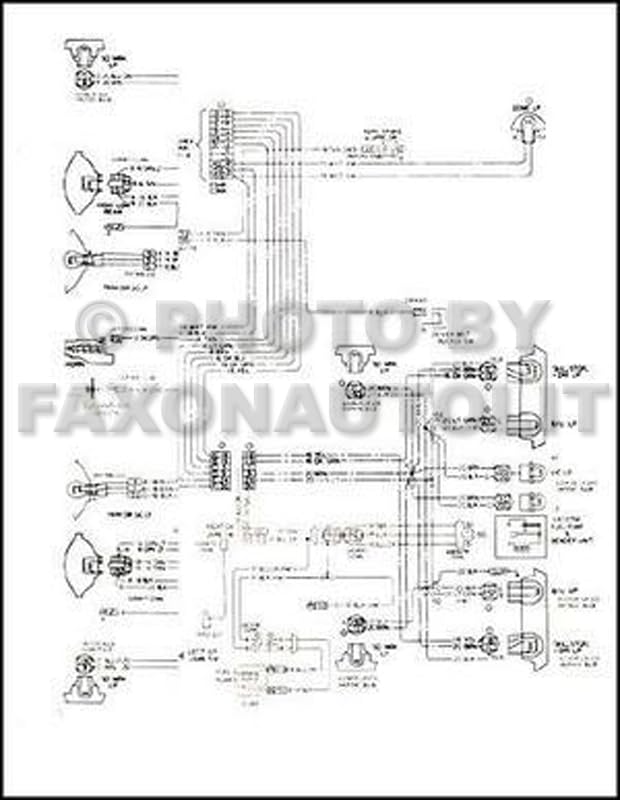
This image displays the front cover of the 1968 Dodge Coronet and R/T Wiring Diagram Manual Reprint. The cover features the title prominently, indicating its purpose as a guide for the electrical systems of these specific vehicle models. It is a visual representation of the manual's content and design.


