
1. Introduction to Your Repair Manual
This document serves as a user guide for the 1997 Mazda Protege Repair Shop Manual Original. This manual is an essential resource for professional technicians and experienced DIY enthusiasts performing maintenance, service, and repair procedures on the 1997 Mazda Protege vehicle. It contains detailed instructions, specifications, diagrams, and troubleshooting information directly from the manufacturer.
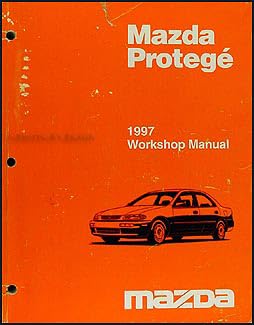
Image 1.1: Front cover of the 1997 Mazda Protege Repair Shop Manual. This image displays the official cover design, indicating the vehicle model and year it covers.
2. Understanding the Manual's Structure
The repair shop manual is organized into distinct sections, each dedicated to a specific system or component of the 1997 Mazda Protege. This systematic approach allows for efficient navigation and information retrieval.
- General Information: Provides an overview of the vehicle, general service procedures, and standard specifications.
- Engine: Covers all aspects of the engine, including mechanical components, fuel system, ignition system, and emissions control.
- Transmission/Transaxle: Details procedures for both manual and automatic transmissions, including removal, installation, and overhaul.
- Driveline/Axle: Information on drive shafts, axles, and differentials.
- Suspension: Front and rear suspension components, alignment procedures, and shock absorbers.
- Brakes: Comprehensive details on the braking system, including ABS (if equipped), hydraulic system, and component replacement.
- Steering: Power steering system, steering gear, and linkage.
- Restraints: Airbag systems and seat belt components.
- Body: Exterior and interior body panels, doors, windows, and trim.
- Electrical: Wiring diagrams, component locations, circuit descriptions, and troubleshooting for all electrical systems.
3. Navigating the Manual
To effectively use this repair manual, follow these guidelines:
- Identify the System: Determine which vehicle system or component requires attention (e.g., engine misfire, brake noise).
- Locate the Relevant Section: Refer to the manual's internal index or chapter headings to find the corresponding section.
- Review Safety Information: Before beginning any work, always read the safety precautions specific to the task.
- Follow Step-by-Step Procedures: The manual provides detailed, sequential instructions for diagnosis, removal, installation, and adjustment.
- Consult Diagrams and Specifications: Utilize wiring diagrams, exploded views, torque specifications, and other technical data provided.
- Troubleshooting: Use the diagnostic charts and procedures to identify and resolve issues systematically.
4. Key Sections Overview
Each major section of the manual is designed to be self-contained yet cross-referenced where necessary. For example:
- Engine Mechanical: Includes cylinder head removal, piston replacement, timing belt procedures, and valve adjustments.
- Electrical System: Features comprehensive wiring diagrams for power distribution, lighting, engine control, and accessories. Component locations are also detailed.
- Brake System: Covers disc and drum brake service, master cylinder replacement, brake line inspection, and ABS diagnostics.
Always refer to the specific page numbers and section titles within the manual for precise information.
5. Safety Precautions When Using the Manual for Repairs
While this manual provides detailed instructions, it is crucial to prioritize safety during any vehicle repair or maintenance. Always:
- Wear appropriate personal protective equipment (PPE) such as safety glasses, gloves, and hearing protection.
- Ensure the vehicle is properly supported on jack stands before working underneath it.
- Disconnect the battery's negative terminal before working on electrical components.
- Work in a well-ventilated area, especially when dealing with fluids or fumes.
- Allow hot engine components to cool before servicing.
- Use the correct tools for each task as specified in the manual.
6. Vehicle Specifications (as found in the manual)
The manual contains extensive specifications for the 1997 Mazda Protege, including:
| Category | Examples of Information Provided |
|---|---|
| Engine | Displacement, bore, stroke, compression ratio, horsepower, torque, valve clearances, ignition timing. |
| Fluids | Oil type and capacity, coolant type and capacity, transmission fluid type, brake fluid type. |
| Torque Specifications | Specific torque values for fasteners throughout the vehicle (e.g., lug nuts, cylinder head bolts, suspension components). |
| Dimensions | Vehicle dimensions, wheel alignment specifications (camber, caster, toe). |
| Electrical | Battery specifications, fuse ratings, bulb types, sensor resistance values. |
Always refer to the specific tables and charts within the manual for the most accurate and up-to-date specifications for your vehicle's configuration.
7. Support and Resources
This original repair shop manual is a definitive source of information. For further assistance or clarification regarding the content of the manual, it is recommended to consult:
- Mazda Dealerships: Official Mazda service centers can provide expert advice and service.
- Automotive Forums: Online communities dedicated to Mazda Protege vehicles may offer insights from other owners and technicians.
- Professional Automotive Technicians: For complex repairs or if you are unsure about a procedure, consult a certified mechanic.
This user guide is intended to help you navigate and utilize your 1997 Mazda Protege Repair Shop Manual effectively. For any issues with the physical manual itself (e.g., missing pages, binding issues), please contact the vendor from whom it was purchased.