
1. Introduction
This manual provides essential information for the proper installation and understanding of the Briggs & Stratton 691639 Timing Key. This component is a critical part of your engine's timing mechanism, ensuring correct synchronization of engine components. It is a genuine Briggs & Stratton OEM part, designed for reliability and compatibility.
The Briggs & Stratton 691639 Timing Key replaces older part number 94196.
2. Product Overview
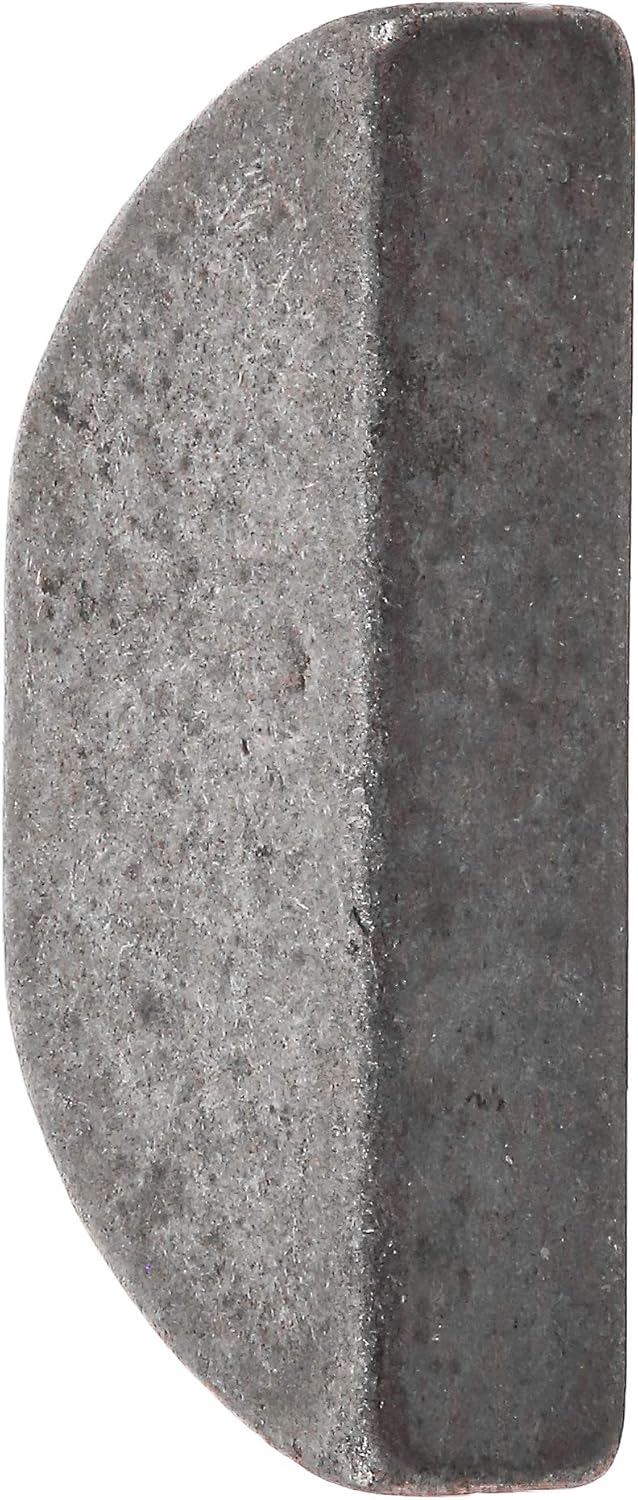
Figure 1: The Briggs & Stratton 691639 Timing Key. This image displays the small, semi-circular metal key, which is essential for aligning the crankshaft and flywheel in Briggs & Stratton engines. Its precise shape ensures correct engine timing.
2.1 Key Features
- Genuine Briggs & Stratton OEM Part.
- Ensures precise engine timing.
- Durable metal construction.
- Direct replacement for part number 94196.
3. Setup and Installation
The timing key is a small but critical component for engine operation. Incorrect installation can lead to engine damage or failure. Always refer to your specific engine's service manual for detailed instructions and safety precautions.
3.1 Safety Precautions
- Always disconnect the spark plug wire before performing any maintenance or installation.
- Wear appropriate personal protective equipment (PPE), such as gloves and eye protection.
- Ensure the engine is cool before beginning work.
- Work in a well-ventilated area.
3.2 Installation Steps (General Guidance)
- Prepare the Engine: Ensure the engine is off, cool, and the spark plug wire is disconnected.
- Access the Flywheel: Remove any shrouds or covers necessary to access the engine's flywheel. You may need specialized tools to remove the flywheel nut and the flywheel itself.
- Remove Old Key (if applicable): If replacing a damaged key, carefully remove the old key from the crankshaft keyway. Inspect the keyway for any damage.
- Insert New Key: Align the new Briggs & Stratton 691639 Timing Key into the keyway on the crankshaft. Ensure it sits flush and correctly.
- Reinstall Flywheel: Carefully slide the flywheel onto the crankshaft, ensuring the flywheel's keyway aligns perfectly with the timing key. The key should fit snugly into both the crankshaft and flywheel keyways.
- Secure Flywheel: Reinstall the flywheel nut and tighten it to the manufacturer's specified torque. Refer to your engine's service manual for torque specifications.
- Reassemble: Reattach any shrouds or covers removed earlier. Reconnect the spark plug wire.
Note: This is a general guide. Always consult your specific Briggs & Stratton engine service manual for precise, model-specific instructions and torque values.
4. Operating Considerations
The timing key itself does not have an "operating" function in the user's direct interaction sense. Its role is passive but crucial: it maintains the correct rotational relationship between the crankshaft and the flywheel. Once installed correctly, the engine will operate as designed.
4.1 Importance of Correct Timing
- Engine Performance: Correct timing ensures optimal engine power and efficiency.
- Ignition Timing: The flywheel's position, dictated by the key, is critical for the ignition system to fire at the precise moment.
- Safety: A sheared or improperly installed key can lead to engine malfunction, potentially causing kickback during starting or other hazardous conditions.
5. Maintenance
The Briggs & Stratton 691639 Timing Key is designed for durability and typically does not require routine maintenance. However, it is a sacrificial component designed to shear under extreme stress (e.g., if the engine's blade strikes a hard object) to protect more expensive engine components.
5.1 Inspection
- If your engine experiences a sudden stop due to impact, it is highly recommended to inspect the timing key for shearing or damage.
- Symptoms of a sheared key include difficulty starting, engine running rough, or complete failure to start.
- Regularly check for any signs of corrosion or wear if the engine is frequently exposed to harsh conditions.
5.2 Replacement
Replace the timing key immediately if any damage is observed. Always use a genuine Briggs & Stratton replacement part like the 691639 to ensure proper fit and function.
6. Troubleshooting
Troubleshooting related to the timing key primarily involves diagnosing issues that arise from a damaged or improperly installed key.
| Symptom | Possible Cause | Solution |
|---|---|---|
| Engine will not start or starts with difficulty. | Sheared or damaged timing key. | Inspect and replace the timing key (Briggs & Stratton 691639). |
| Engine runs rough, vibrates excessively, or lacks power. | Partially sheared or improperly seated timing key. | Inspect the timing key and keyways; replace if damaged and ensure proper seating. |
| Engine kickback during starting. | Incorrect ignition timing due to a damaged timing key. | Replace the timing key (Briggs & Stratton 691639) and verify flywheel alignment. |
| Flywheel spins freely on crankshaft. | Completely sheared timing key. | Replace the timing key (Briggs & Stratton 691639) and ensure flywheel nut is torqued correctly. |
7. Specifications
- Part Number: Briggs & Stratton 691639
- Replaces: Briggs & Stratton 94196
- Material: Metal
- Dimensions (L x W x H): Approximately 4 x 4 x 0.25 inches (packaging dimensions, actual key is smaller)
- Function: Engine Timing Key
- Compatibility: Designed for various Briggs & Stratton small engines. Refer to your engine's parts diagram for exact fitment.
8. Warranty and Support
As a genuine Briggs & Stratton part, the 691639 Timing Key is typically covered by the standard Briggs & Stratton warranty for replacement parts. Warranty terms can vary, so it is recommended to retain your purchase receipt and consult the official Briggs & Stratton website or contact their customer support for specific warranty details.
For technical support, parts inquiries, or to locate an authorized service dealer, please visit the official Briggs & Stratton website or contact their customer service department.