Product Overview
The Attwood 90 Degree Fuel Tank Vent (Model 1671-1) is engineered to prevent water from entering the fuel tank while ensuring air can vent freely. This design is critical during normal sea conditions and washdowns, effectively eliminating the requirement for an anti-siphon loop in the vent hose. This product adheres to ABYC Standard requirements, ensuring reliable performance and safety. It is constructed from durable, flame-retardant black plastic and features a white vent head/cover.
- Prevents water from entering the fuel tank during navigation and washdowns.
- Allows air to vent freely, preventing vacuum lock or over-pressurization.
- Eliminates the need for an anti-siphon loop in the vent hose.
- Designed for easy and permanent installation.
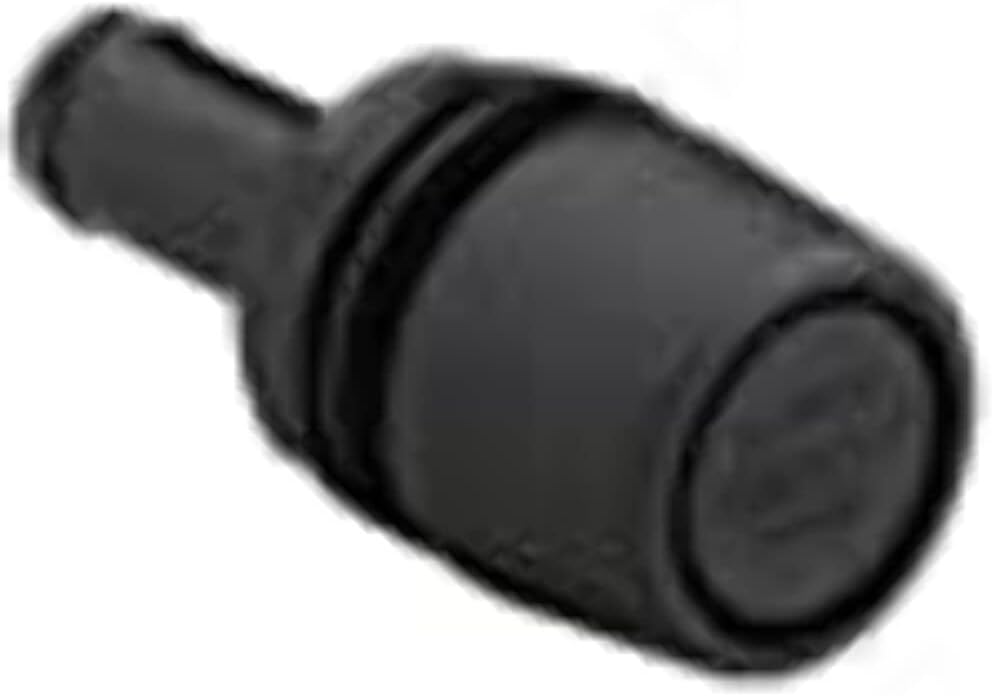
Image: Attwood 90 Degree Fuel Tank Vent, showing its black body and white vent head. This component is essential for proper fuel tank ventilation and water prevention.
Specifications
| Part Number | 1671-1 |
| Hose Compatibility | 5/8" I.D. |
| Maximum Hull Thickness | 9/16" |
| Installation Hole Size | 3/4" |
| Material | Flame-retardant black plastic, Stainless Steel (for vent head option) |
| Dimensions (L x W x H) | 7.5 x 12.5 x 4.5 inches |
| Item Weight | 1.6 ounces |
| UPC | 022697167118 |
Setup and Installation
The Attwood 90 Degree Fuel Tank Vent is designed for straightforward and permanent installation. Follow these steps for proper setup:
- Preparation: Identify the optimal location on the hull for the vent. Ensure the area is clean, free of obstructions, and that the hull thickness does not exceed 9/16 inches at the chosen point.
- Drilling the Hole: Using a drill bit appropriate for your hull material, create a 3/4 inch diameter hole at the marked installation spot. Ensure the hole is clean and smooth, without burrs.
- Vent Placement: Insert the main body of the vent into the drilled hole from the exterior of the hull. Orient the vent so that the 90-degree bend correctly positions the hose connection point for your fuel system's routing.
- Secure Connection: From the interior of the hull, connect a 5/8 inch I.D. fuel vent hose to the vent's barb fitting. Secure the hose firmly with a marine-grade hose clamp to prevent any leaks and ensure a robust seal.
- Final Check: Verify that the vent head is securely seated against the hull and that the hose connection is tight. Conduct a system check to confirm proper fuel tank ventilation and the absence of any fuel or air leaks.
Note: The unique design of this vent eliminates the need for an anti-siphon loop in the vent hose, as it effectively prevents water ingress while allowing unrestricted air flow.
Operating Principles
The Attwood 90 Degree Fuel Tank Vent functions on a precise mechanism to maintain optimal fuel tank pressure and prevent water contamination:
- Air Exchange: The vent facilitates the free flow of air into and out of the fuel tank. This is essential as fuel levels change (during consumption or refueling) and as temperature fluctuations cause fuel expansion or contraction. Proper air exchange prevents the formation of a vacuum (which can impede fuel flow) or excessive pressure buildup.
- Water Ingress Prevention: The integrated 90-degree P-trap design, coupled with the vent head, is specifically engineered to block water entry into the fuel tank. This protective feature is effective against rain, splashes, normal sea conditions, and washdowns, safeguarding fuel quality.
- ABYC Compliance: The vent's design and performance meet the stringent standards set by the American Boat and Yacht Council (ABYC), ensuring its suitability and reliability for marine applications.
Maintenance
The Attwood 90 Degree Fuel Tank Vent is designed for low maintenance. Regular visual inspections are recommended to ensure its continued optimal performance and longevity.
- Visual Inspection: Periodically examine the vent head and opening for any signs of blockage. This includes debris, salt crystal buildup, or insect nests that could impede airflow. Ensure the vent opening remains clear and unobstructed.
- Hose Connection Check: Inspect the connection point between the vent and the fuel vent hose. Look for any indications of cracking, wear, or looseness in the hose or the hose clamp. Ensure the clamp remains securely fastened.
- Cleaning: If necessary, gently clean the exterior surfaces of the vent head using fresh water to remove any accumulated salt residue, dirt, or grime. Avoid using harsh chemical cleaners, as these may damage the plastic material.
- Damage Assessment: Conduct a thorough inspection of the vent's plastic body for any visible cracks, chips, or other physical damage that could compromise its structural integrity or sealing capabilities.
Troubleshooting
If you encounter issues with your fuel tank ventilation system, consider the following common problems and their potential solutions:
- Slow Fuel Filling: If refueling is unusually slow, or the fuel pump nozzle frequently clicks off, it may indicate a partial or complete blockage in the fuel tank vent system.
- Action: Inspect the vent opening on the hull for any obstructions (e.g., debris, insects, salt buildup) and clear them. Also, check the entire length of the vent hose for kinks or blockages.
- Fuel Tank Swelling or Collapsing: An improperly ventilated fuel tank can either swell due to excessive pressure or collapse due to a vacuum. This is a clear sign of a ventilation problem.
- Action: Immediately check the vent for complete blockage. Ensure the vent hose is not kinked, crushed, or obstructed internally. Verify that the vent head is not clogged.
- Water in Fuel Tank: While the Attwood vent is designed to prevent water ingress, severe weather conditions, physical damage to the vent, or improper installation could potentially lead to water entering the fuel tank.
- Action: Inspect the vent head and body for any signs of damage, cracks, or dislodgement. Confirm that the vent is correctly oriented and securely installed on the hull.
For persistent or complex issues that cannot be resolved with these steps, it is highly recommended to consult a qualified marine technician.
Warranty Information
Attwood products are manufactured to rigorous quality standards. For specific warranty details pertaining to your 90 Degree Fuel Tank Vent (Model 1671-1), please refer to the official Attwood website or contact Attwood customer support directly. Warranty terms typically cover defects in materials and workmanship under normal use and service conditions.
Customer Support
For further assistance, technical inquiries, or to report a product issue, please reach out to Attwood customer support. Provide your product model number for efficient service.
- Website: www.attwoodmarine.com
- Manufacturer: Attwood Corporation
- Model Number: 1671-1


