
Product Overview
The FAST 30169 O2 Sensor Bung Plug is designed to effectively seal O2 sensor bungs when they are not in use. This prevents exhaust leaks and protects the threads of the O2 sensor bung from corrosion and damage, ensuring the integrity of your exhaust system.
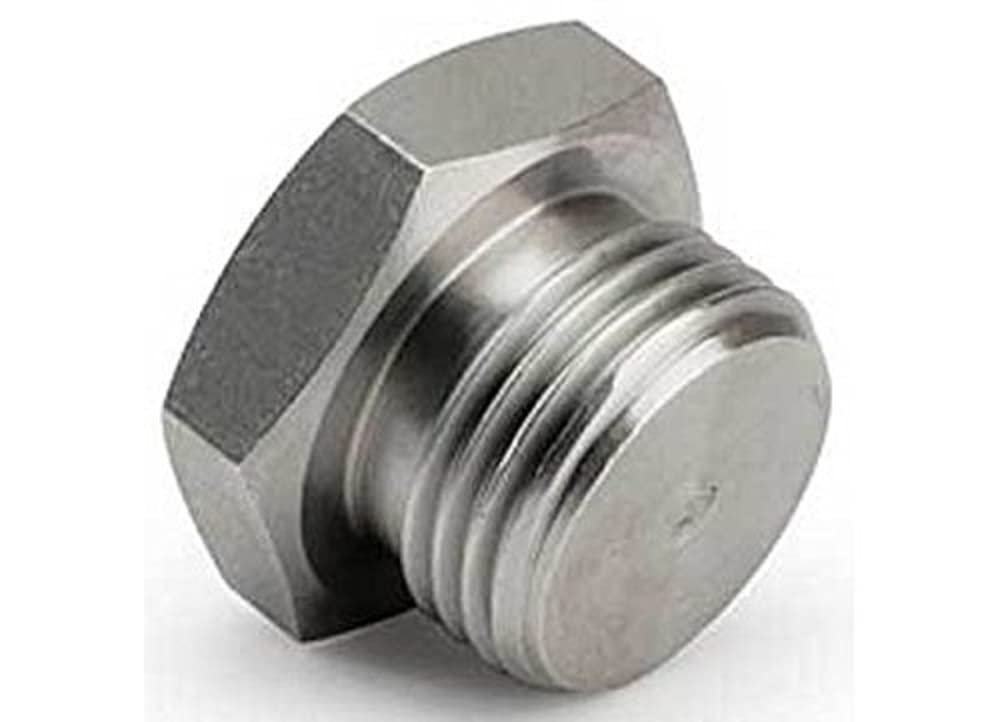
Image: A close-up view of the FAST 30169 O2 Sensor Bung Plug. It is a metallic, hexagonal-headed plug with external threads, designed to seal an O2 sensor port.
What's in the Box
- One (1) FAST 30169 O2 Sensor Bung Plug
Specifications
| Brand | FAST |
| Model Number | 30169 |
| Item Weight | 2.08 ounces |
| Style | Bung Plug |
| Mounting Type | Flange Mount |
| UPC | 036584152200, 036584133704 |
| Country of Origin | USA |
| Exterior Finish | Painted |
Installation Instructions
The FAST 30169 O2 Sensor Bung Plug is designed for easy installation. Follow these general steps:
- Preparation: Ensure the O2 sensor bung port is clean and free of debris or old gasket material. The engine and exhaust system should be cool to the touch before beginning installation.
- Thread Inspection: Inspect the threads of both the bung plug and the O2 sensor port for any damage. Damaged threads can lead to improper sealing.
- Application of Anti-Seize (Recommended): Apply a small amount of high-temperature anti-seize compound to the threads of the O2 sensor bung plug. This helps prevent galling and makes future removal easier.
- Installation: Carefully thread the O2 sensor bung plug into the O2 sensor port by hand to ensure it starts correctly and avoids cross-threading.
- Tightening: Once hand-tight, use an appropriate wrench to tighten the plug. Refer to your vehicle's service manual or the O2 sensor bung manufacturer's specifications for the correct torque value. Avoid over-tightening, as this can damage the threads or the bung itself.
- Verification: After installation, start the engine and check for any exhaust leaks around the newly installed plug.
Note: Professional installation is recommended if you are unsure about any steps.
Operation
The O2 Sensor Bung Plug operates passively by sealing an unused O2 sensor port. Its function is to maintain the integrity of the exhaust system by preventing exhaust gases from escaping and protecting the internal threads of the bung from environmental elements and debris. Once installed correctly, no further operational steps are required.
Maintenance
The FAST 30169 O2 Sensor Bung Plug requires minimal maintenance. Periodically, during routine vehicle inspections, check the plug for the following:
- Tightness: Ensure the plug remains securely tightened. Vibrations can sometimes loosen threaded components over time.
- Corrosion/Damage: Inspect for any signs of rust, corrosion, or physical damage. While designed to be durable, extreme conditions can affect components.
- Exhaust Leaks: Listen or feel for any signs of exhaust gas escaping around the plug, which would indicate an improper seal.
If any issues are found, re-tighten the plug or replace it if damaged.
Troubleshooting
Most issues related to an O2 sensor bung plug are straightforward. Here are common problems and their solutions:
- Exhaust Leak at Plug:
- Cause: Plug not tightened sufficiently, damaged threads on plug or bung, or missing/damaged sealing washer (if applicable).
- Solution: Re-tighten the plug to specification. If the leak persists, remove the plug, inspect threads for damage, and replace the plug or repair the bung threads if necessary. Ensure any required sealing washers are in place and in good condition.
- Plug Difficult to Remove:
- Cause: Corrosion, galling, or over-tightening during installation.
- Solution: Apply penetrating oil and allow it to soak. Use appropriate tools and leverage. Heating the surrounding area (bung) carefully can sometimes help expand it, but exercise extreme caution. Always apply anti-seize during installation to prevent this.