
1. Introduction to Modular Hi-Fi Components
This manual serves as a comprehensive guide to the principles and practices of modular Hi-Fi audio systems, as detailed in the Sams Modular Hi-Fi Components MHF-111 publication. It is designed to assist enthusiasts and technicians in understanding the various components, their interconnections, and optimal operation for superior audio reproduction. The MHF-111 series focuses on the foundational aspects of high-fidelity sound systems, providing insights into amplifiers, tuners, turntables, tape decks, and speakers.
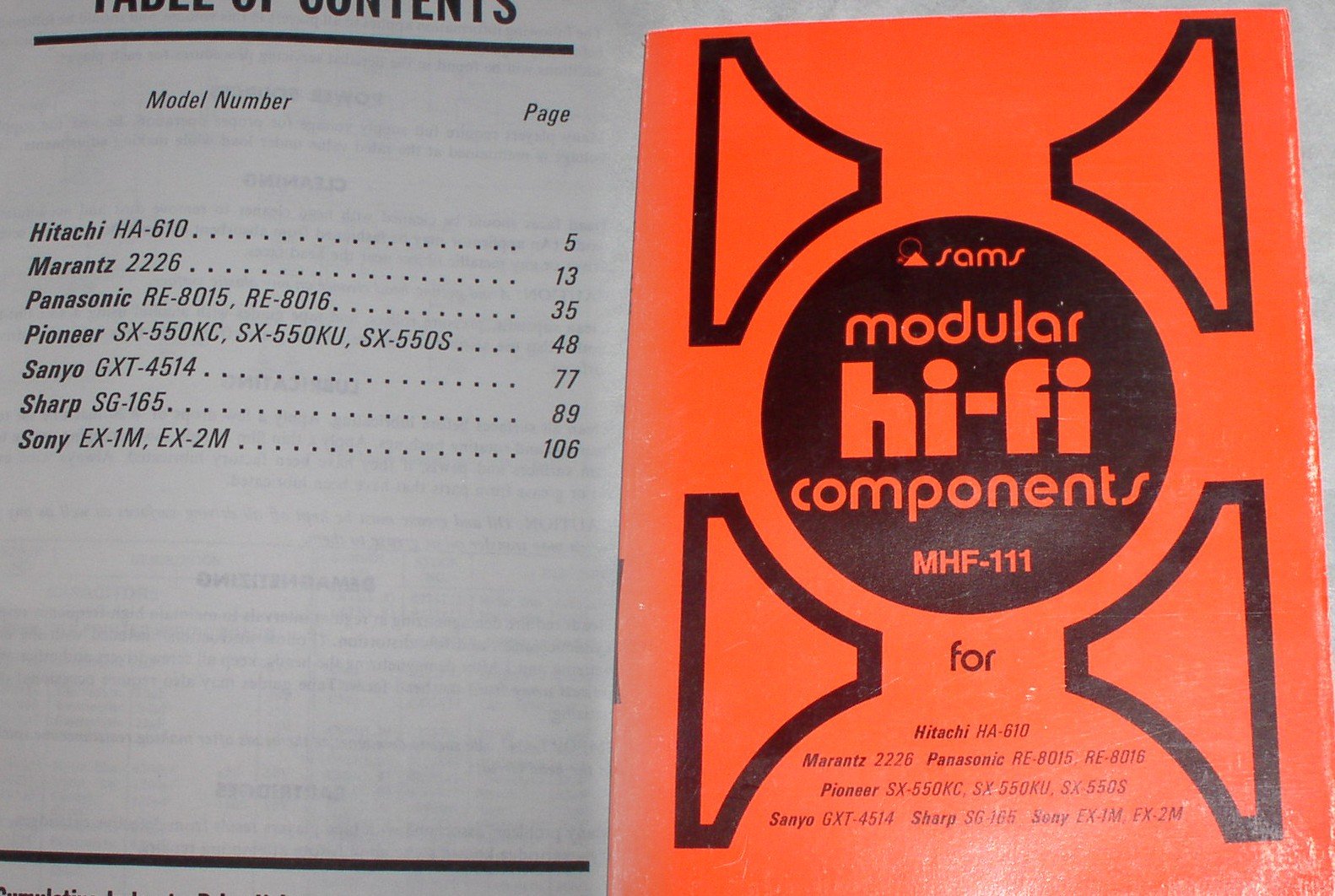
Image 1.1: Cover of the Sams Modular Hi-Fi Components MHF-111 book. This publication provides detailed information on various Hi-Fi components and their integration.
2. System Setup and Interconnection
Proper setup is crucial for achieving optimal performance from your modular Hi-Fi system. This section outlines general guidelines for connecting various components.
2.1 Component Placement
- Amplifier: Place in a well-ventilated area, away from heat sources.
- Turntable: Position on a stable, level surface to minimize vibrations.
- Speakers: Ensure proper stereo separation and distance from walls for optimal soundstage.
- Cables: Route signal cables away from power cables to prevent interference.
2.2 Wiring Connections
Always ensure all components are powered off before making any connections. Use high-quality cables appropriate for each connection type.
- Connect the turntable's RCA outputs to the PHONO input on the amplifier. Ensure the ground wire is also connected.
- Connect the CD player or other line-level sources to the AUX or CD inputs using RCA cables.
- Connect the amplifier's speaker outputs to your speakers, observing correct polarity (+ to + and - to -).
- Plug all components into a surge protector or power strip.
3. Operating Your Hi-Fi System
This section provides general instructions for operating common Hi-Fi components.
3.1 Amplifier Operation
- Power On/Off: Use the main power switch.
- Source Selection: Select the desired input (e.g., PHONO, CD, AUX) using the input selector knob or buttons.
- Volume Control: Start with low volume and gradually increase to a comfortable listening level.
- Tone Controls: Adjust bass and treble as desired, or bypass for a flat frequency response.
3.2 Turntable Operation
- Place a record on the platter.
- Select the correct speed (33 1/3 or 45 RPM).
- Carefully lower the tonearm onto the record's lead-in groove.
- At the end of the record, lift the tonearm and return it to its rest.
4. Maintenance and Care
Regular maintenance ensures the longevity and optimal performance of your Hi-Fi components.
4.1 Cleaning
- Dusting: Regularly wipe down components with a soft, dry, lint-free cloth.
- Record Care: Clean records before each play with a record brush to remove dust.
- Stylus Cleaning: Use a specialized stylus brush to gently clean the turntable stylus.
4.2 Component Longevity
- Avoid exposing components to direct sunlight, extreme temperatures, or high humidity.
- Ensure adequate ventilation for amplifiers to prevent overheating.
- Turn off components when not in use for extended periods.
5. Troubleshooting Common Issues
This section addresses common problems encountered with modular Hi-Fi systems and provides potential solutions.
| Problem | Possible Cause | Solution |
|---|---|---|
| No Sound | Incorrect input selection, loose cables, amplifier off. | Verify input source, check all cable connections, ensure amplifier is powered on. |
| Humming Noise | Ground loop, unshielded cables, proximity to power sources. | Check turntable ground wire, use shielded cables, reposition components away from power transformers. |
| Distorted Audio | Overdriven input, damaged speaker, worn stylus. | Reduce input level, inspect speakers for damage, check and replace turntable stylus if necessary. |
6. General Specifications of Modular Hi-Fi Components
While specific component specifications vary widely, this section outlines typical parameters and characteristics discussed in the MHF-111 publication that define modular Hi-Fi equipment.
- Amplifier Output Power: Typically measured in Watts per channel (e.g., 50W/ch, 100W/ch).
- Frequency Response: The range of frequencies an component can reproduce (e.g., 20Hz - 20kHz).
- Signal-to-Noise Ratio (SNR): A measure of signal clarity relative to background noise (e.g., >90dB).
- Total Harmonic Distortion (THD): A measure of signal distortion (e.g., <0.05%).
- Input Sensitivity: The voltage required to drive an amplifier to its rated output.
- Speaker Impedance: Measured in Ohms (e.g., 4Ω, 8Ω).
7. Warranty Information
This section provides general information regarding product warranties for typical Hi-Fi components. For specific warranty details, please refer to the documentation provided with your individual components.
Most Hi-Fi components come with a limited manufacturer's warranty covering defects in materials and workmanship for a specified period, typically one to five years from the date of purchase. This warranty usually does not cover damage caused by misuse, accidents, unauthorized modifications, or normal wear and tear. Proof of purchase is generally required for warranty claims.
Note: As this manual is based on a publication, it does not provide a direct warranty for any physical Hi-Fi components you may own. Consult the original manufacturer's documentation for specific warranty terms.
8. Customer Support and Further Resources
For further assistance or detailed inquiries regarding specific modular Hi-Fi components, please consult the following resources:
- Manufacturer's Documentation: Refer to the user manuals and guides provided with your specific Hi-Fi components for detailed instructions and troubleshooting.
- Online Forums and Communities: Many online communities and forums are dedicated to Hi-Fi audio, offering peer support and advice.
- Professional Audio Technicians: For complex issues or repairs, consider consulting a qualified audio technician.
- Sams Technical Publications: For additional educational resources on electronics and audio, explore other publications by Sams.
