
Delphi ES10323

Delphi ES10323 Oxygen Sensor Instruction Manual
Model: ES10323
1. Introduction
The Delphi ES10323 Oxygen Sensor is a critical component designed to monitor the oxygen levels in your vehicle's exhaust system. This data is fed to the Engine Control Module (ECM), which then adjusts the fuel-air mixture to ensure efficient engine operation, optimal fuel economy, and reduced harmful emissions. Delphi, as a leading OE manufacturer, engineers its oxygen sensors to meet high standards for performance and reliability.
2. Key Features
- Planar Technology: Utilizes advanced planar technology for superior performance, covering older conical designs and consolidating SKUs.
- Fast Light-Off Time: Achieves an industry-leading 6-second light-off time, ensuring quicker closed-loop activation and significantly reducing cold-start emissions (up to 40-50% more harmful emissions are released during longer light-off times).
- Direct Fit OE Connectors: Features original equipment (OE) connectors and wire lengths that are within 3 inches of OE specifications, ensuring a precise fit without the need for splicing.
- Contamination Resistance: Incorporates a patented poison protection coating and a dry-to-touch anti-seize compound to prevent contamination, which can lead to engines running too rich and burning up to 25% more fuel.
- Broad Coverage: Planar sensors can cover over 70% of vehicles on the road today, including those originally equipped with older conical designs.
- Fuel Type Compatibility: Validated for use with all fuel types and additives, including ethanol-blended fuels like E85.
- Durability: OE tested to 150,000 miles and subjected to 2,000 hours of severe thermal testing.
3. Installation
Proper installation is crucial for the optimal performance and longevity of your Delphi Oxygen Sensor. Always refer to your vehicle's specific service manual for detailed instructions and safety precautions.
- Preparation: Ensure the engine is cool before beginning installation. Disconnect the vehicle's battery to prevent electrical hazards.
- Locate the Sensor: Identify the oxygen sensor(s) that need replacement. There may be multiple sensors in your exhaust system (upstream and downstream).
- Remove Old Sensor: Carefully disconnect the electrical connector from the old sensor. Use an oxygen sensor wrench to loosen and remove the old sensor from the exhaust pipe or manifold.
- Inspect Threads: Clean any rust or debris from the threads in the exhaust system where the new sensor will be installed.
- Apply Anti-Seize: The Delphi ES10323 Oxygen Sensor comes with a dry-to-touch anti-seize compound pre-applied to the threads. Do not add additional anti-seize unless specifically instructed by your vehicle's service manual. Ensure the anti-seize does not come into contact with the sensor tip.
- Install New Sensor: Thread the new Delphi ES10323 Oxygen Sensor into the exhaust opening by hand to prevent cross-threading. Tighten the sensor using an oxygen sensor wrench to the manufacturer's specified torque (typically 28-34 foot-pounds).
- Connect Electrical: Reconnect the direct-fit OE electrical connector. Ensure it clicks securely into place.
- Final Steps: Reconnect the vehicle's battery. Start the engine and check for any exhaust leaks or illuminated check engine lights.

Image 1: Delphi Oxygen Sensor packaged with installation instructions. The instructions emphasize cleaning threads and proper anti-seize application.

Image 2: A close-up view of the Delphi Oxygen Sensor's electrical connector, designed for direct OE fitment.
4. Operation
The Delphi ES10323 Oxygen Sensor continuously monitors the amount of oxygen in the exhaust gases. This information is crucial for the vehicle's engine management system to maintain the ideal air-fuel ratio. A properly functioning oxygen sensor ensures:
- Optimal Combustion: By providing accurate oxygen readings, the sensor helps the ECM adjust fuel delivery for complete combustion.
- Improved Fuel Economy: Correct air-fuel mixture prevents the engine from running too rich, which wastes fuel.
- Reduced Emissions: Efficient combustion minimizes the release of harmful pollutants like carbon dioxide, hydrocarbons, and nitrogen oxides into the atmosphere.
- Fast Response: The planar sensing element with an integrated heater ensures rapid activation and accurate readings, especially during cold starts, contributing to lower emissions from the moment the engine begins running.
Video 1: An informational video from Delphi explaining the benefits and technology behind their oxygen sensors, including fast light-off time and contamination resistance.
5. Maintenance
Delphi Oxygen Sensors are designed for long-term reliability and do not require routine user maintenance. Their patented poison protection coating and robust construction help resist contamination and ensure consistent performance over their lifespan. Regular vehicle maintenance, including timely oil changes and proper engine tuning, can help prolong the life of all engine components, including oxygen sensors.

Image 3: The Delphi ES10323 Oxygen Sensor, showcasing its design with the wire and connector.
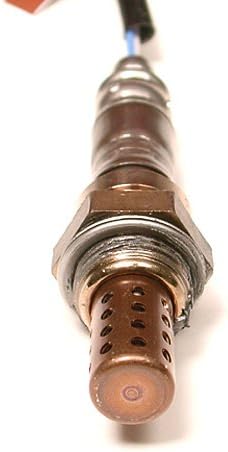
Image 4: A detailed view of the sensor tip, which is crucial for accurate oxygen measurement in the exhaust.
6. Troubleshooting
A faulty oxygen sensor can lead to various engine performance issues. Common symptoms include:
- Illuminated Check Engine Light: This is often the first indicator of an oxygen sensor issue. Diagnostic trouble codes (DTCs) related to oxygen sensor performance will typically be stored.
- Reduced Fuel Economy: A contaminated or failing sensor can cause the engine to run rich, consuming more fuel than necessary.
- Increased Emissions: Inaccurate readings can lead to improper fuel-air mixture, resulting in higher levels of pollutants in the exhaust.
- Rough Idling or Stalling: An incorrect air-fuel ratio can cause the engine to run poorly, especially at idle.
- Engine Hesitation or Misfires: Poor engine performance under acceleration can also be a symptom.
If you experience any of these symptoms, it is recommended to have your vehicle diagnosed by a qualified technician. Replacing a faulty oxygen sensor with a high-quality unit like the Delphi ES10323 can restore proper engine function, improve fuel efficiency, and reduce emissions.
7. Specifications
| Attribute | Value |
|---|---|
| Brand | Delphi |
| Model Number | ES10323 |
| Item Dimensions (L x W x H) | 3.6 x 1.8 x 4.8 inches |
| Material | Metal |
| Item Weight | 3.04 ounces |
| Mounting Type | Flange Mount |
| Specific Uses For Product | Oxygen Sensor |
| UPC | 689604087893 |
| Manufacturer Part Number | ES10323 |
| OEM Part Numbers | 2131156, 2131198, SU4800, SU4813, SU4834 |
8. Warranty and Support
Delphi products purchased through, from, or on Amazon do not qualify for Delphi’s standard LIMITED warranty. Any warranty on this product, when purchased through, from, or on Amazon, is offered by and is the sole responsibility of the seller identified on the shipment details of your order. Please review all warranties carefully and contact the identified seller for all warranty details and claims.
For technical assistance or further inquiries, please refer to the contact information provided by your seller or consult the official Delphi website for general product information.
Related documentsES10323

Ask a question about this manual
Ask about setup, troubleshooting, compatibility, parts, safety, or missing instructions. Manuals+ will review the question and use this page’s manual context to help answer it.