
1. Introduction
The Luster Leaf Rapitest JEN-639 Moisture and Light Combo Meter is designed to assist in maintaining optimal growing conditions for plants. This combination meter provides instant measurements of soil moisture levels and sunlight exposure. The moisture gauge displays readings on a scale of 1-10 (dry to wet), and the light gauge indicates levels from A-H (cloudy to sunny). The tethered stainless steel probe is engineered to measure moisture at the root level, where it is most critical for plant health. This device operates without the need for batteries.

Image 1: Luster Leaf Rapitest Moisture and Light Combo Meter in its retail packaging.
Video 1: An overview of Luster Leaf Rapitest moisture meters, demonstrating their use and features for accurate plant care.
2. Package Contents
Upon opening the package, verify that all components are present:
- Rapitest Moisture and Light Combo Meter Unit
- Tethered Stainless Steel Probe
- Special Cleaning Pad for Probe
- Watering Needs Guide for over 150 plants

Image 2: Diagram illustrating the components of the Rapitest Light & Moisture Meter, including the probe and meter unit.
3. Setup and Initial Preparation
The Luster Leaf Rapitest Moisture and Light Combo Meter requires no batteries for operation. Before first use, and periodically thereafter, it is essential to clean the probe to ensure accurate readings.
3.1. Probe Cleaning
The probe must be scrubbed to remove any oxides that may accumulate and affect accuracy. Use the provided special cleaning pad for this purpose.
- Gently wipe the bullet-shaped tip of the probe with the cleaning pad.
- Always wipe away from the tip towards the body of the meter to prevent damage.
- Ensure the probe is clean and free of debris before each use.
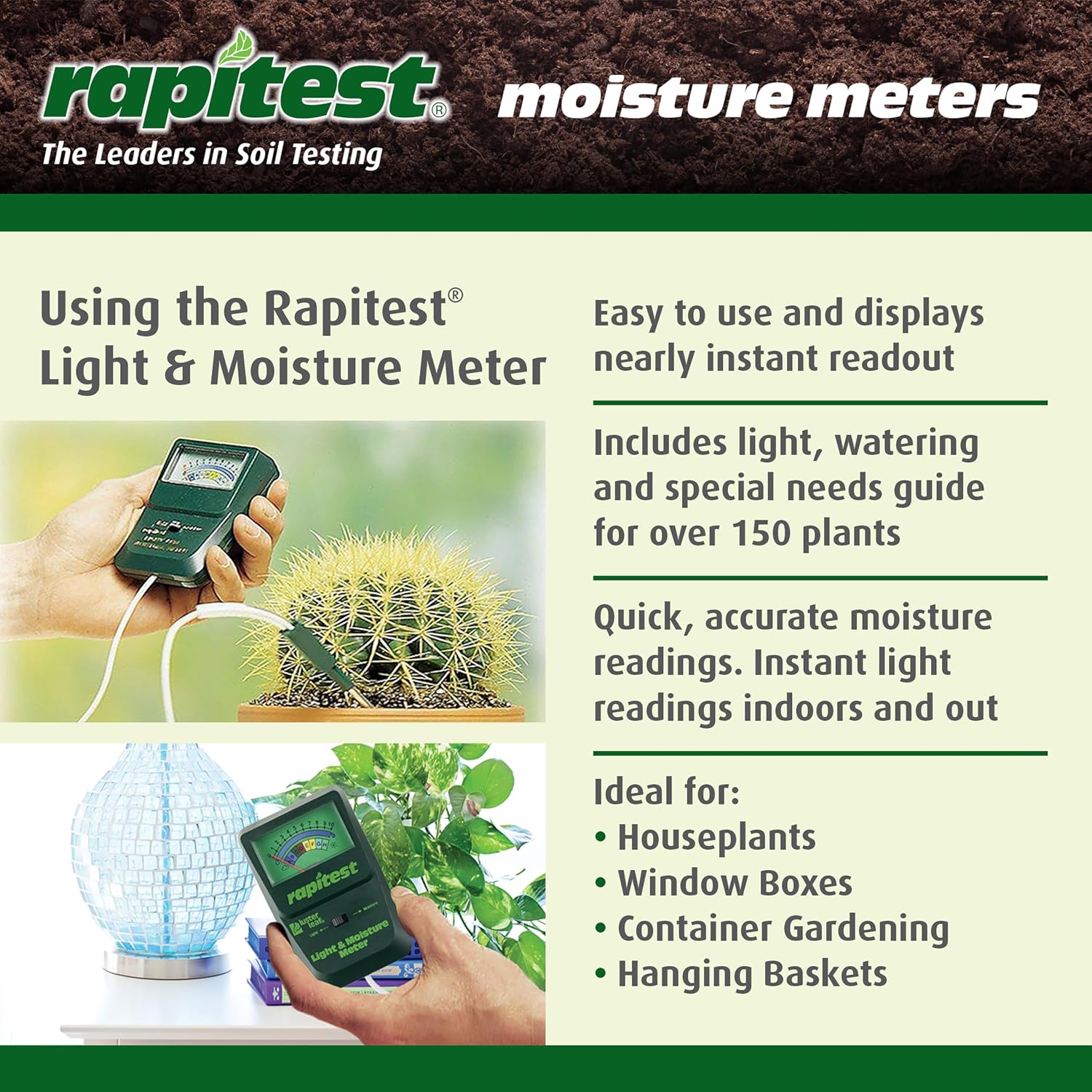
Image 3: Demonstrating the use of the meter for soil moisture measurement in a potted plant.
4. Operating Instructions
This meter is designed for use exclusively in soil. Do not immerse the probe into liquids other than soil moisture.
4.1. Measuring Soil Moisture
- Ensure the probe is clean (refer to Section 3.1).
- Set the switch on the meter to the "Moisture" position.
- Insert the probe into the soil approximately 4 inches deep, or to the root level of the plant. Avoid forcing the probe, as this may damage it.
- Wait for a few moments for the needle on the gauge to stabilize.
- Read the moisture level on the gauge, which ranges from 1 (dry) to 10 (wet).
- Remove the probe and clean it after each use.
4.2. Measuring Light Exposure
- Set the switch on the meter to the "Light" position.
- Position the meter so that the light sensor (located at the top of the meter unit) is exposed to the light source you wish to measure.
- Wait for the needle on the gauge to stabilize.
- Read the light level on the gauge, which ranges from A (cloudy/low light) to H (sunny/high light).

Image 4: Close-up of the meter's display, indicating moisture and light readings.
5. Watering and Special Needs Guide
The meter includes a comprehensive watering needs guide for over 150 plants. This guide provides specific moisture requirements and watering frequencies to help you care for a wide variety of plants correctly.
5.1. Using the Guide
- Locate your plant in the provided guide.
- Note the recommended moisture level and frequency.
- Use your Rapitest meter to ensure the soil moisture matches the plant's requirements.
- Adjust watering practices based on the meter readings and the guide's recommendations.

Image 5: The reverse side of the packaging, featuring a detailed watering chart for numerous plant types.
6. Maintenance
Regular cleaning of the probe is crucial for maintaining the accuracy and longevity of your meter.
- Always clean the probe immediately after each use with the provided special cleaning pad.
- Store the meter in a dry place when not in use.
- Avoid exposing the meter to extreme temperatures or direct sunlight for prolonged periods.
7. Troubleshooting
7.1. Inaccurate or No Readings
- Dirty Probe: The most common cause of inaccurate readings is a dirty probe. Ensure the probe is thoroughly cleaned with the special cleaning pad before each use to remove oxides and soil residue.
- Dry Soil: If measuring moisture, ensure the soil is not completely dry. Very dry soil may not provide sufficient conductivity for a reading.
- Improper Insertion: Ensure the probe is inserted deep enough into the soil, reaching the root level, for an accurate moisture reading.
8. Specifications
| Feature | Detail |
|---|---|
| Model Number | 1830 |
| Functions | Soil Moisture, Light Exposure |
| Moisture Scale | 1 (Dry) - 10 (Wet) |
| Light Scale | A (Cloudy) - H (Sunny) |
| Power Source | No batteries required |
| Probe Length | Approximately 4 inches (tethered) |
| Product Dimensions | 10 x 4 x 4 inches |
| Item Weight | 2.4 ounces |
| Mounting Type | Tabletop (for meter unit) |
| Upper Temperature Rating | 50 Degrees Celsius |
9. Warranty and Support
For any questions, difficulties, or support regarding your Luster Leaf Rapitest Moisture and Light Combo Meter, please contact Luster Leaf directly. It is recommended to contact support before returning the product to your place of purchase.
- Email: info@lusterleaf.com
- Phone: 800-327-4635
Luster Leaf is committed to providing quality products for successful gardening.