
Denso 234-4260
Contents
Denso Oxygen (O2) Sensor - 234-4260 User Manual
Model: 234-4260 | Brand: Denso
1. Introduction
This manual provides essential information for the proper installation, operation, and maintenance of your Denso Oxygen (O2) Sensor, model 234-4260. This sensor is designed to meet original equipment (OE) specifications for select Lexus and Toyota vehicles, ensuring optimal engine performance and emission control.
2. Safety Information
WARNING:
- Always disconnect the vehicle's battery before performing any electrical work to prevent injury or damage.
- Allow the engine and exhaust system to cool completely before working on the oxygen sensor. Exhaust components can reach very high temperatures and cause severe burns.
- Wear appropriate personal protective equipment (PPE), including safety glasses and gloves, during installation.
- Improper installation can lead to vehicle damage, poor performance, or safety hazards. If you are unsure about any step, consult a qualified automotive technician.
- This product contains chemicals known to the State of California to cause cancer and birth defects or other reproductive harm (Proposition 65 warning). Wash hands after handling.
3. Product Overview
The Denso 234-4260 Oxygen Sensor is a critical component of your vehicle's emission control system. It measures the oxygen content in the exhaust gases and sends this data to the engine control unit (ECU). The ECU uses this information to adjust the air-fuel mixture for optimal combustion, fuel efficiency, and reduced emissions.
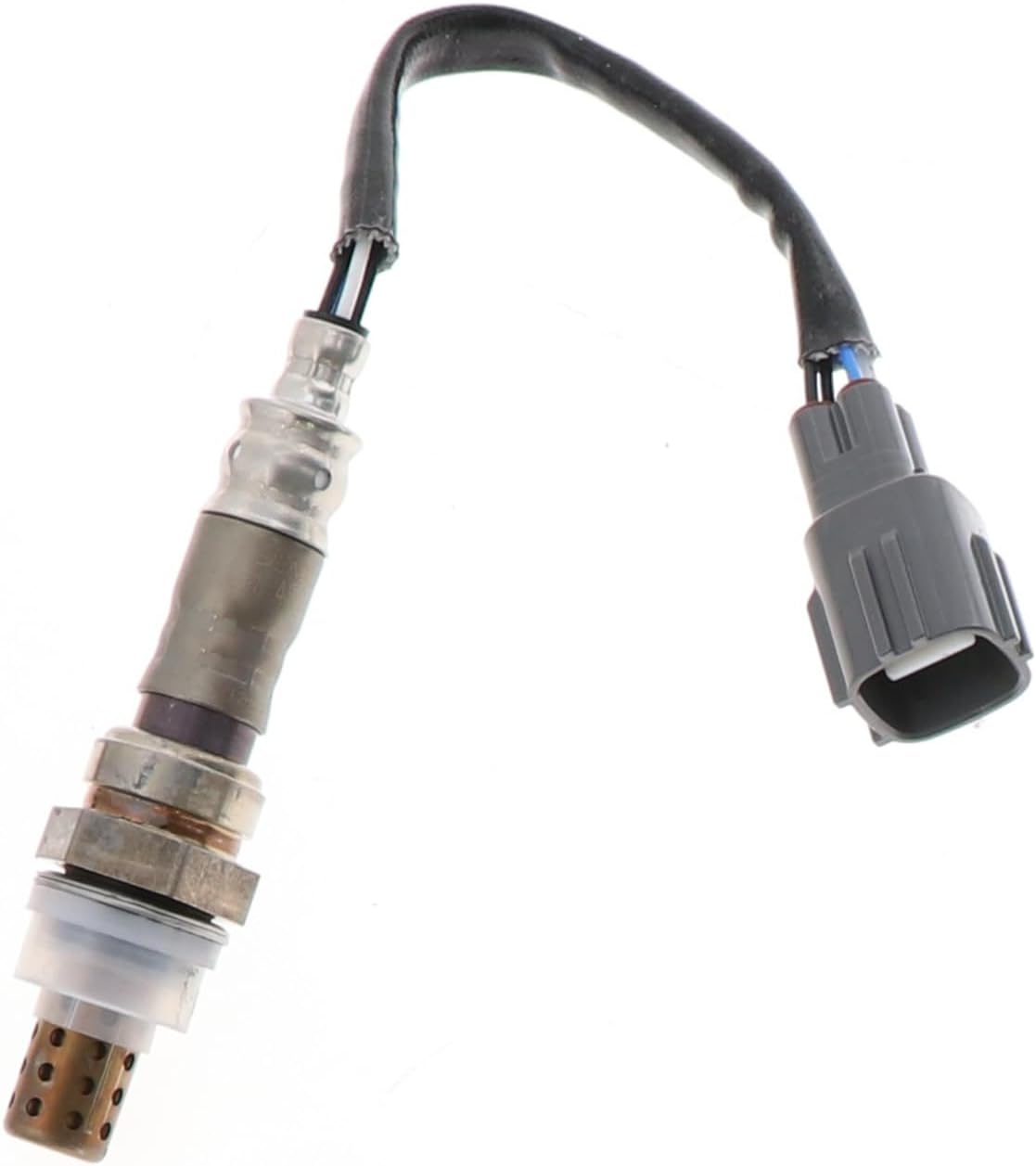
Figure 1: Denso Oxygen Sensor 234-4260 with wiring harness and connector.

Figure 2: Detailed view of the sensor tip, which measures oxygen levels in the exhaust.

Figure 3: The electrical connector of the oxygen sensor, designed for a secure fit into the vehicle's wiring harness.

Figure 4: Various views of the Denso Oxygen Sensor, showing the sensor body, tip, and electrical connector from different angles.
Key Features:
- Narrow-band design with 4-wire, 9.45-inch long wiring harness.
- Corrosion-resistant stainless steel construction for durability.
- PTFE filter to protect against contaminants.
- Refined zirconia element for improved sensor response and accuracy.
4. Vehicle Compatibility
The Denso 234-4260 Oxygen Sensor is compatible with various Lexus and Toyota models. Please verify fitment for your specific vehicle year and model before installation.
Lexus Models:
- ES350 (2007-2014)
- GX460 (2010-2013)
- GX470 (2003-2004)
- LX470 (2005-2007)
- LX570 (2008-2011, 2013)
Toyota Models:
- 4Runner (2003-2012)
- Avalon (2005-2014)
- Camry (2007-2014)
- FJ Cruiser (2007-2012)
- Land Cruiser (2005-2011, 2013)
- Sequoia (2005-2015)
- Solara (2007-2008)
- Tacoma (2005-2012)
- Tundra (2005-2013, 2015-2016)
- Venza (2009-2014)
Note: This list is for general guidance. Always cross-reference with your vehicle's specific requirements and part numbers.
5. Setup (Installation)
Replacing an oxygen sensor requires mechanical aptitude and specific tools. If you are not comfortable performing this procedure, it is recommended to seek professional assistance.
Tools and Materials You May Need:
- Oxygen sensor socket or wrench
- Ratchet and extensions
- Torque wrench
- Anti-seize compound (if not pre-applied to new sensor threads)
- Safety glasses and gloves
- Vehicle service manual (for specific torque specifications and sensor location)
Installation Steps (General Guide):
- Prepare the Vehicle: Park the vehicle on a level surface, engage the parking brake, and ensure the engine and exhaust system are completely cool. Disconnect the negative terminal of the vehicle's battery.
- Locate the Sensor: Refer to your vehicle's service manual to identify the exact location of the oxygen sensor you are replacing. Oxygen sensors are typically found in the exhaust manifold or exhaust pipe.
- Disconnect Electrical Connector: Carefully disconnect the electrical connector from the old oxygen sensor. This may involve pressing a tab or sliding a lock.
- Remove Old Sensor: Use an oxygen sensor socket or wrench to loosen and remove the old sensor from the exhaust system. Be prepared for it to be tight due to heat and corrosion.
- Prepare New Sensor: Inspect the threads of the new Denso sensor. If anti-seize compound is not pre-applied, apply a thin layer to the threads (avoiding the sensor tip).
- Install New Sensor: Carefully thread the new sensor into the exhaust bung by hand to prevent cross-threading. Once hand-tight, use the oxygen sensor socket/wrench to tighten it to the manufacturer's specified torque. Refer to your vehicle's service manual for the correct torque specification.
- Connect Electrical Connector: Reconnect the electrical connector to the new sensor, ensuring it clicks securely into place.
- Final Steps: Reconnect the negative terminal of the vehicle's battery. Start the engine and check for any exhaust leaks or illuminated check engine lights. It may take a few drive cycles for the ECU to fully adapt to the new sensor.
6. Operating
Once correctly installed, the Denso Oxygen Sensor operates automatically as part of your vehicle's engine management system. It continuously monitors the oxygen content in the exhaust stream and sends precise voltage signals to the ECU. The ECU then adjusts fuel delivery to maintain an optimal air-fuel ratio, which is crucial for:
- Maximizing fuel efficiency.
- Minimizing harmful exhaust emissions.
- Ensuring smooth engine operation and performance.
No user intervention is required for the operation of the sensor itself after installation.
7. Maintenance
Oxygen sensors are not typically user-serviceable or maintainable components. They are designed for a specific service life, after which their performance may degrade. There are no routine maintenance tasks required for the sensor itself.
Recommendations:
- Regular Vehicle Maintenance: Ensure your vehicle receives regular scheduled maintenance, including tune-ups and oil changes, as a poorly running engine can negatively impact sensor life.
- Inspection: During routine vehicle inspections, a qualified technician may visually inspect the oxygen sensor and its wiring for any signs of damage or corrosion.
- Replacement: Oxygen sensors are wear items. Consult your vehicle's service manual for recommended replacement intervals, or consider replacement if diagnostic trouble codes indicate a sensor malfunction.
8. Troubleshooting
A failing oxygen sensor can lead to various vehicle performance issues. If you suspect a problem with your oxygen sensor, consider the following:
Common Symptoms of a Faulty Oxygen Sensor:
- Check Engine Light: This is the most common indicator. Diagnostic Trouble Codes (DTCs) related to oxygen sensor performance (e.g., P0130-P0167) will often be stored in the ECU.
- Decreased Fuel Economy: An inaccurate sensor can cause the engine to run too rich or too lean, leading to increased fuel consumption.
- Increased Emissions: The vehicle may fail emissions tests due to improper air-fuel mixture control.
- Rough Idling or Engine Misfires: In some cases, a faulty sensor can affect engine smoothness.
- Sulfur or Rotten Egg Smell from Exhaust: This can indicate an overly rich air-fuel mixture.
Troubleshooting Steps:
- Scan for Codes: Use an OBD-II scanner to retrieve any stored Diagnostic Trouble Codes (DTCs). This will help pinpoint the issue.
- Visual Inspection: Check the sensor's wiring and connector for any visible damage, fraying, or corrosion.
- Professional Diagnosis: Due to the complexity of engine management systems, it is highly recommended to have a qualified automotive technician diagnose oxygen sensor issues. They have specialized tools to test sensor readings and confirm proper operation.
Note: Do not attempt to repair a faulty oxygen sensor. Replacement with a new, high-quality sensor like the Denso 234-4260 is the recommended solution.
9. Specifications
| Feature | Specification |
|---|---|
| Part Number | 234-4260 |
| Brand | Denso |
| Sensor Type | Narrow-band Oxygen (O2) Sensor |
| Wire Count | 4-wire |
| Wire Harness Length | 9.45 inches (approx. 24 cm) |
| Material | Stainless Steel, Zirconium |
| Item Dimensions (L x W x H) | 6 x 2 x 2 inches (approx. 15.24 x 5.08 x 5.08 cm) |
| Item Weight | 3.52 ounces (approx. 100 grams) |
| Mounting Type | Flange Mount (typical for threaded sensors) |
| UPC | 042511112230 |
10. Warranty
This Denso Oxygen Sensor includes a manufacturer-provided warranty. For specific details regarding warranty coverage, terms, and conditions, please refer to the documentation included with your product or visit the official Denso automotive website. Warranty claims are typically handled through the point of purchase or directly with Denso.
11. Support
For further assistance, technical inquiries, or support regarding your Denso 234-4260 Oxygen Sensor, please contact Denso customer service or visit their official website:
- Denso Official Website: www.denso.com (or relevant regional site)
- Refer to the packaging for specific customer service contact information.
Documents and downloads
Ask a question about this manual
Ask about setup, troubleshooting, compatibility, parts, safety, or missing instructions. Manuals+ will review the question and use this page’s manual context to help answer it.