
1. Product Overview
The Denso Oxygen (O2) Sensor 234-4668 is a replacement narrow-band Oxygen (O2) Sensor designed for specific models and years of Buick, Cadillac, Chevrolet, GMC, Isuzu, Pontiac, and Saturn vehicles. This sensor features a 4-wire, 15.75-inch long wiring harness. Denso Oxygen Sensors are manufactured and tested to strict Original Equipment (OE) standards to ensure optimal performance and a precise fit. They incorporate Denso's exclusive aluminum oxide trap layer, which protects the ceramic element from silicone and lead poisoning, contributing to improved engine performance, greater fuel efficiency, and extended longevity.
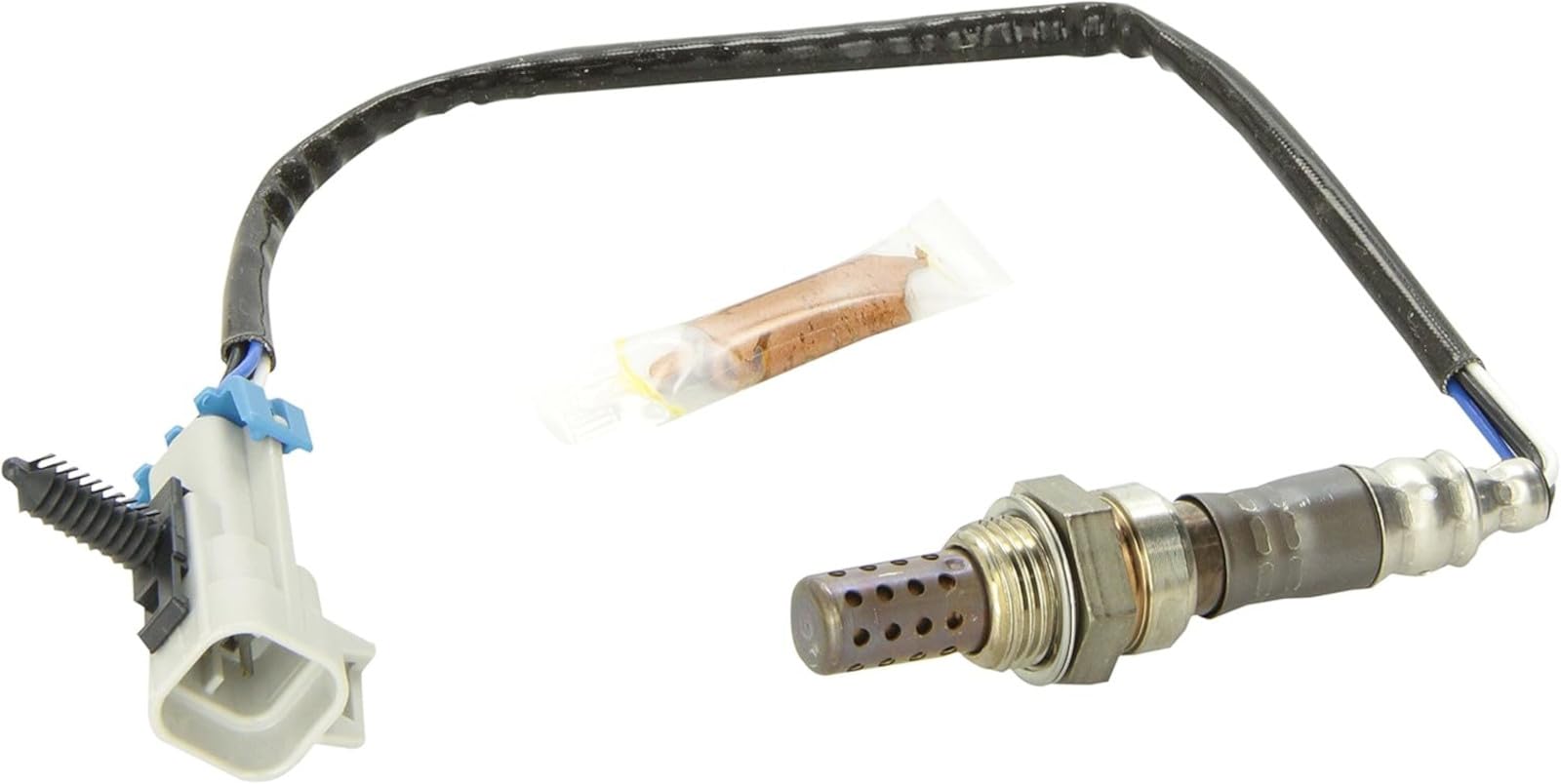
Image 1.1: The Denso Oxygen (O2) Sensor 234-4668, showing the sensor body, wiring, and electrical connector.
2. Key Features
- Vehicle Specific Fit: Engineered for precise compatibility with select vehicle models and years.
- Advanced Protection: Features a double protection layer, aluminum oxide trap layer, PTFE filter, and stainless steel housing for durability and element protection.
- High-Quality Construction: Constructed from durable Zirconium material for reliable performance.
- Easy Installation: Designed for straightforward replacement.
3. Product Components
The Denso Oxygen (O2) Sensor 234-4668 package includes the following:
- One (1) Denso Oxygen (O2) Sensor 234-4668 with integrated wiring harness and electrical connector.

Image 3.1: Multiple views of the Denso Oxygen Sensor, highlighting the sensor tip, threaded body, wiring, and connector.

Image 3.2: The Denso Oxygen Sensor retail packaging, displaying brand and product information.
4. Installation Guide
Important: Installation of automotive sensors can be complex and may require specialized tools and knowledge. It is highly recommended to consult your vehicle's service manual or seek professional assistance for proper installation to ensure safety and optimal performance.
General Installation Steps:
- Safety First: Ensure the vehicle is turned off, cooled down, and safely supported on jack stands if working underneath. Disconnect the negative terminal of the battery.
- Locate the Sensor: Identify the oxygen sensor to be replaced. Oxygen sensors are typically located in the exhaust system, either before (upstream) or after (downstream) the catalytic converter.
- Disconnect Electrical Connector: Carefully disconnect the electrical connector from the old oxygen sensor. Avoid pulling directly on the wires.
- Remove Old Sensor: Use an oxygen sensor wrench or a suitable socket to loosen and remove the old sensor from the exhaust pipe. Be cautious as the sensor may be seized due to heat and corrosion.
- Prepare New Sensor: Apply a small amount of anti-seize compound to the threads of the new Denso oxygen sensor. Ensure the sensor tip remains clean and free of grease or contaminants.
- Install New Sensor: Thread the new sensor into the exhaust pipe by hand to prevent cross-threading. Once hand-tight, use the oxygen sensor wrench to tighten it to the manufacturer's specified torque.
- Connect Electrical Connector: Reconnect the electrical connector securely to the new sensor. Ensure it clicks into place.
- Final Steps: Reconnect the negative battery terminal. Start the vehicle and check for any exhaust leaks or warning lights.
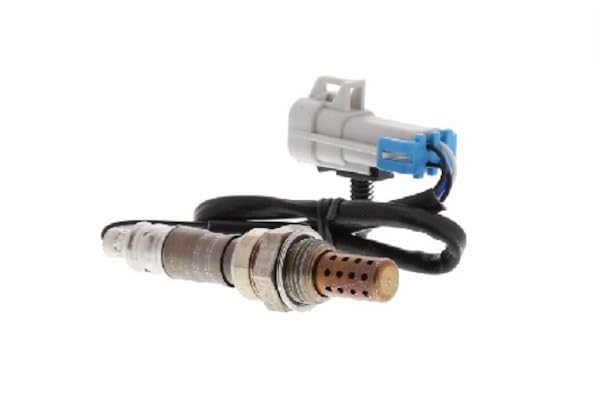
Image 4.1: Close-up view of the Denso Oxygen Sensor's perforated tip, which is crucial for gas sensing.
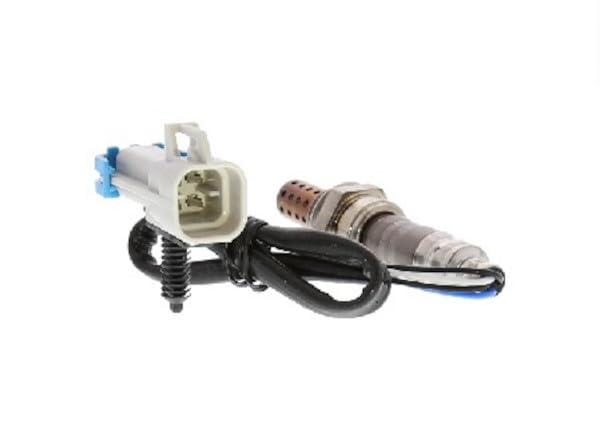
Image 4.2: Close-up view of the Denso Oxygen Sensor's electrical connector, showing the pin configuration.
5. Operation
The oxygen sensor plays a critical role in your vehicle's engine management system. It measures the oxygen content in the exhaust gases and sends this data to the engine control unit (ECU). The ECU uses this information to adjust the air-fuel mixture for optimal combustion, which helps to:
- Improve fuel efficiency.
- Reduce harmful emissions.
- Maintain engine performance.
A properly functioning oxygen sensor ensures your engine runs cleanly and efficiently.
6. Maintenance
Oxygen sensors are wear-and-tear items and typically do not require routine maintenance. However, they have a finite lifespan and may need replacement over time due to contamination or degradation. It is advisable to:
- Follow your vehicle manufacturer's recommended service intervals for oxygen sensor inspection or replacement.
- Address any engine warning lights (e.g., Check Engine Light) promptly, as they may indicate an issue with the oxygen sensor.
- Ensure your engine is running correctly to prevent premature sensor failure caused by excessive oil consumption, coolant leaks, or rich/lean fuel conditions.
7. Troubleshooting
Common symptoms of a failing oxygen sensor include:
- Illuminated Check Engine Light (CEL).
- Decreased fuel economy.
- Rough idling or engine hesitation.
- Increased exhaust emissions.
- Failed emissions test.
If you experience any of these symptoms, it is recommended to have your vehicle diagnosed by a qualified mechanic. Diagnostic trouble codes (DTCs) related to oxygen sensor performance can be read using an OBD-II scanner, which can help pinpoint the exact issue.
8. Specifications
| Specification | Detail |
|---|---|
| Brand | Denso |
| Model Number | 234-4668 |
| Part Number | 12594452 |
| UPC / GTIN | 042511112568 |
| Item Dimensions (L x W x H) | 5.75 x 2.19 x 1.88 inches |
| Item Weight | 4 ounces |
| Material | Stainless Steel, Zirconium |
| Mounting Type | Threaded Mount |
| Output Type | Push-Pull |
| Measurement Accuracy | ±1% |
| Included Components | Oxygen (O2) Sensor |
9. Warranty and Support
Warranty: This Denso Oxygen (O2) Sensor comes with a 30-day warranty from the manufacturer.
Customer Support: For technical assistance, warranty claims, or further inquiries, please contact Denso customer support or refer to the official Denso website. Always provide your product model number (234-4668) and proof of purchase when seeking support.
For additional information and resources, please visit the official Denso website: www.densoautoparts.com