
Stanley 1-83-068
Stanley 1-83-068 Heavy-Duty Cast Iron Bench Vise 150mm User Manual
Model: 1-83-068
1. Introduction
This manual provides essential information for the safe and effective use of your Stanley 1-83-068 Heavy-Duty Cast Iron Bench Vise 150mm. Please read these instructions carefully before installation and operation to ensure proper function and longevity of the tool.
The Stanley 1-83-068 bench vise is designed for securely clamping workpieces during various tasks such as cutting, filing, and assembly. Its robust cast iron construction and powerful clamping mechanism make it suitable for demanding workshop environments.
2. Safety Information
Always observe the following safety precautions when using the bench vise:
- Wear Eye Protection: Always wear safety glasses or goggles to protect your eyes from flying debris.
- Secure Mounting: Ensure the vise is securely mounted to a stable workbench before use. Loose mounting can lead to accidents.
- Do Not Overtighten: Avoid excessive force when tightening the vise jaws, as this can damage the workpiece or the vise itself.
- Keep Hands Clear: Keep hands and fingers away from the clamping jaws during operation to prevent pinching.
- Check Workpiece Stability: Always ensure the workpiece is firmly secured and stable before beginning any work.
- Inspect Vise Regularly: Before each use, inspect the vise for any signs of damage, wear, or loose components. Do not use a damaged vise.
- Use Appropriate Tools: Only use tools that are suitable for the task and the material being worked on.
3. Product Overview
The Stanley 1-83-068 Bench Vise features a robust design for reliable performance. Key components and features include:
- Cast Iron Body: Provides superior strength and durability for long-term use.
- Chrome-Plated Structure: Offers enhanced resistance to corrosion, extending the tool's lifespan.
- Versatile Jaws: With a depth of 105mm and an opening capacity of up to 150mm, the jaws can securely hold a wide range of workpiece sizes.
- High Clamping Force: Delivers up to 2200 kg of clamping force for firm and secure workpiece immobilization.
- Swiveling Base: Allows the vise to be rotated 360 degrees, providing flexibility for various working angles.
- Stable Mounting: Designed for direct and secure attachment to a workbench, ensuring stability during heavy-duty operations.

Figure 1: Front view of the Stanley 1-83-068 Heavy-Duty Cast Iron Bench Vise. This image shows the main body, jaws, and handle.

Figure 2: Angled view of the Stanley 1-83-068 Bench Vise, highlighting its robust construction.
4. Setup and Installation
Proper installation is crucial for the stability and safe operation of your bench vise.
- Choose a Location: Select a sturdy workbench or surface capable of supporting the vise and the forces applied during use. The location should allow for full rotation of the swivel base and comfortable working access.
- Mark Mounting Holes: Position the vise on the workbench and mark the locations for the mounting bolts through the base holes.
- Drill Holes: Drill appropriate-sized holes through the workbench at the marked locations.
- Secure the Vise: Place the vise back over the drilled holes. Insert heavy-duty bolts, washers, and nuts through the base and workbench. Tighten them securely using appropriate tools. Ensure the vise is firmly attached and does not wobble.
- Test Stability: After mounting, gently test the vise's stability by attempting to move it. It should be completely rigid.

Figure 3: The Stanley 1-83-068 Bench Vise securely mounted on a wooden workbench, demonstrating proper installation.

Figure 4: Close-up of the vise's stable support mechanism, featuring a swivel lock for maximum control.
5. Operating Instructions
Follow these steps for effective and safe operation of your Stanley bench vise:
- Open the Jaws: Rotate the main handle counter-clockwise to open the vise jaws to a width slightly larger than your workpiece.
- Position Workpiece: Place the workpiece firmly between the jaws. Ensure it is centered and fully supported. For delicate materials, use jaw pads (not included) to prevent damage.
- Close the Jaws: Rotate the main handle clockwise to close the jaws until the workpiece is securely clamped. Apply sufficient force to hold the workpiece without causing deformation or damage. The vise provides up to 2200 kg of clamping force.
- Adjust Swivel Base (if needed): If your task requires a different angle, loosen the swivel lock handle (usually located at the base) and rotate the vise to the desired position. Retighten the swivel lock handle firmly before proceeding.
- Perform Work: Once the workpiece is secure, you can proceed with your task (e.g., cutting, drilling, filing).
- Release Workpiece: After completing your work, rotate the main handle counter-clockwise to open the jaws and carefully remove the workpiece.

Figure 5: The sliding handle mechanism, designed to deliver heavy force with less rotation for efficient clamping.

Figure 6: Illustration highlighting the 2200 kg clamping force, ideal for heavy-duty operations.
6. Maintenance
Regular maintenance ensures the longevity and optimal performance of your Stanley bench vise:
- Cleaning: After each use, clean the vise to remove any dust, chips, or debris. Use a brush or compressed air.
- Lubrication: Periodically apply a light coat of machine oil or grease to the main screw and sliding mechanisms to ensure smooth operation and prevent rust.
- Inspection: Regularly check all bolts and fasteners for tightness. Inspect the jaws for wear or damage. Ensure the swivel mechanism operates smoothly.
- Rust Prevention: The chrome-plated structure offers corrosion resistance, but for prolonged storage or in humid environments, apply a thin layer of rust preventative oil to exposed metal surfaces.
7. Troubleshooting
Here are some common issues and their potential solutions:
- Vise Jaws Sticking or Difficult to Operate:
- Clean the main screw and sliding parts to remove debris.
- Apply lubricant to the main screw and sliding surfaces.
- Workpiece Slipping:
- Ensure the jaws are clean and free of oil or grease.
- Tighten the vise more firmly, but do not overtighten.
- Consider using jaw pads for better grip on certain materials.
- Vise Wobbles After Mounting:
- Check all mounting bolts and nuts. Tighten them securely.
- Ensure the workbench surface is flat and stable.
- Rust Appearing on Metal Parts:
- Clean the affected areas and apply rust preventative oil.
- Store the vise in a dry environment when not in use.
8. Specifications
Detailed specifications for the Stanley 1-83-068 Bench Vise:
| Feature | Specification |
|---|---|
| Model Number | 1-83-068 |
| Material | Cast Iron |
| Jaw Opening | Up to 150 mm |
| Jaw Depth | 105 mm |
| Clamping Force | 2200 kg |
| Product Dimensions (L x W x H) | 47 x 24 x 22 cm |
| Item Weight | 3500 Grams (3.5 kg) |
| Color | Grey |
| Style | Unique |
| UPC | 013523062929 |

Figure 7: Visual representation of key specifications including material (Iron), dimensions (47 x 24 x 22 cm), and weight (3500 grams).
9. Warranty Information
Stanley products are manufactured to high-quality standards and are typically backed by a manufacturer's warranty. For specific warranty terms and conditions applicable to your Stanley 1-83-068 Bench Vise, please refer to the documentation included with your purchase or visit the official Stanley website. Retain your proof of purchase for warranty claims.
10. Support and Contact Information
For further assistance, technical support, or inquiries regarding your Stanley product, please use the following contact details:
Phone Support
1800-203-0644
Monday - Saturday: 09:00 AM - 06:00 PM IST (Except Government Holidays)
Email Support
WhatsApp Support
Stanley is committed to providing excellent customer service, including a great service network, original parts, and omnichannel support.
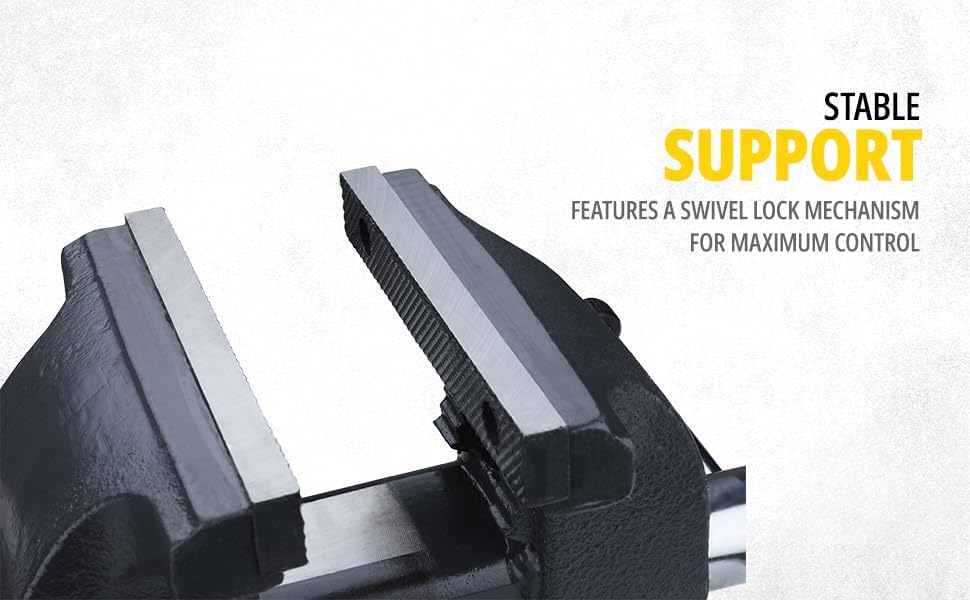
Figure 8: Stanley Total Care contact information for sales, after-sales support, warranty, and original parts.
Ask a question about this manual
Ask about setup, troubleshooting, compatibility, parts, safety, or missing instructions. Manuals+ will review the question and use this page’s manual context to help answer it.