
1. Introduction
This manual provides detailed information regarding the operation, maintenance, and safety features of your 2004 Kia Sorento. Familiarizing yourself with its contents will ensure safe and efficient use of your vehicle and help maintain its optimal performance.

Image 1.1: The official Owner's Manual for the 2004 Kia Sorento, providing essential vehicle information.

Image 1.2: A booklet titled 'Kia Sorento 2004 Start-Up Tips' featuring an image of the vehicle's exterior.
2. Vehicle Overview and Controls
This section introduces the primary controls and features of your Sorento. Understanding the layout of the dashboard, steering wheel controls, and console elements is crucial for safe operation.
2.1. Dashboard and Instrument Cluster
The instrument cluster provides vital information about your vehicle's status, including speed, engine RPM, fuel level, and various warning indicators. Familiarize yourself with each gauge and light.

Image 2.1: A view of the Kia Sorento dashboard, including the steering wheel and instrument panel, from a booklet titled 'What Your Vehicle Is Telling You'.
2.2. Steering Wheel Controls
Controls for the audio system, cruise control, and horn are conveniently located on the steering wheel for easy access while driving.
3. Operation
This section details the procedures for starting and driving your Kia Sorento, as well as operating various vehicle systems.
3.1. Starting and Stopping the Engine
- Insert the key into the ignition switch.
- Ensure the transmission is in Park (P) or Neutral (N).
- Turn the key to the START position and release once the engine starts.
3.2. Transmission Operation
The automatic transmission features various drive modes. Refer to the gear selector indicator for current selection. Always apply the brake pedal when shifting from Park (P).
3.3. Lighting and Wipers
Controls for headlights, turn signals, fog lights, and windshield wipers are located on stalks on either side of the steering column. Consult the manual for specific functions and settings.
3.4. Climate Control System
Adjust the temperature, fan speed, and air distribution using the controls on the center console to maintain a comfortable cabin environment.
4. Safety Features
Your Kia Sorento is equipped with various safety features designed to protect occupants. Understanding their function is important for your safety.
4.1. Airbag System
The Supplemental Restraint System (SRS) includes airbags for the driver and front passenger. Always ensure seatbelts are worn, as airbags are designed to work in conjunction with them.

Image 4.1: A dedicated manual titled 'What You Should Know About Your Kia's Air Bags', providing detailed information on the vehicle's airbag system.
4.2. Seatbelts
All occupants must wear seatbelts at all times. Properly adjusted seatbelts significantly reduce the risk of injury in a collision.
4.3. Child Safety Locks
Rear doors are equipped with child safety locks to prevent them from being opened from the inside. Engage these locks when children are in the rear seats.
5. Maintenance and Care
Regular maintenance is essential for the longevity and reliable operation of your vehicle. Follow the recommended service schedule.
5.1. Engine Oil
Check engine oil level regularly and change it according to the maintenance schedule. Use the recommended oil type specified in the manual.
5.2. Fluid Levels
Periodically inspect coolant, brake fluid, power steering fluid, and windshield washer fluid levels. Top up as necessary with the correct fluids.
5.3. Tires
Maintain correct tire pressure as specified on the vehicle's placard. Regularly inspect tires for wear and damage, and rotate them as recommended.
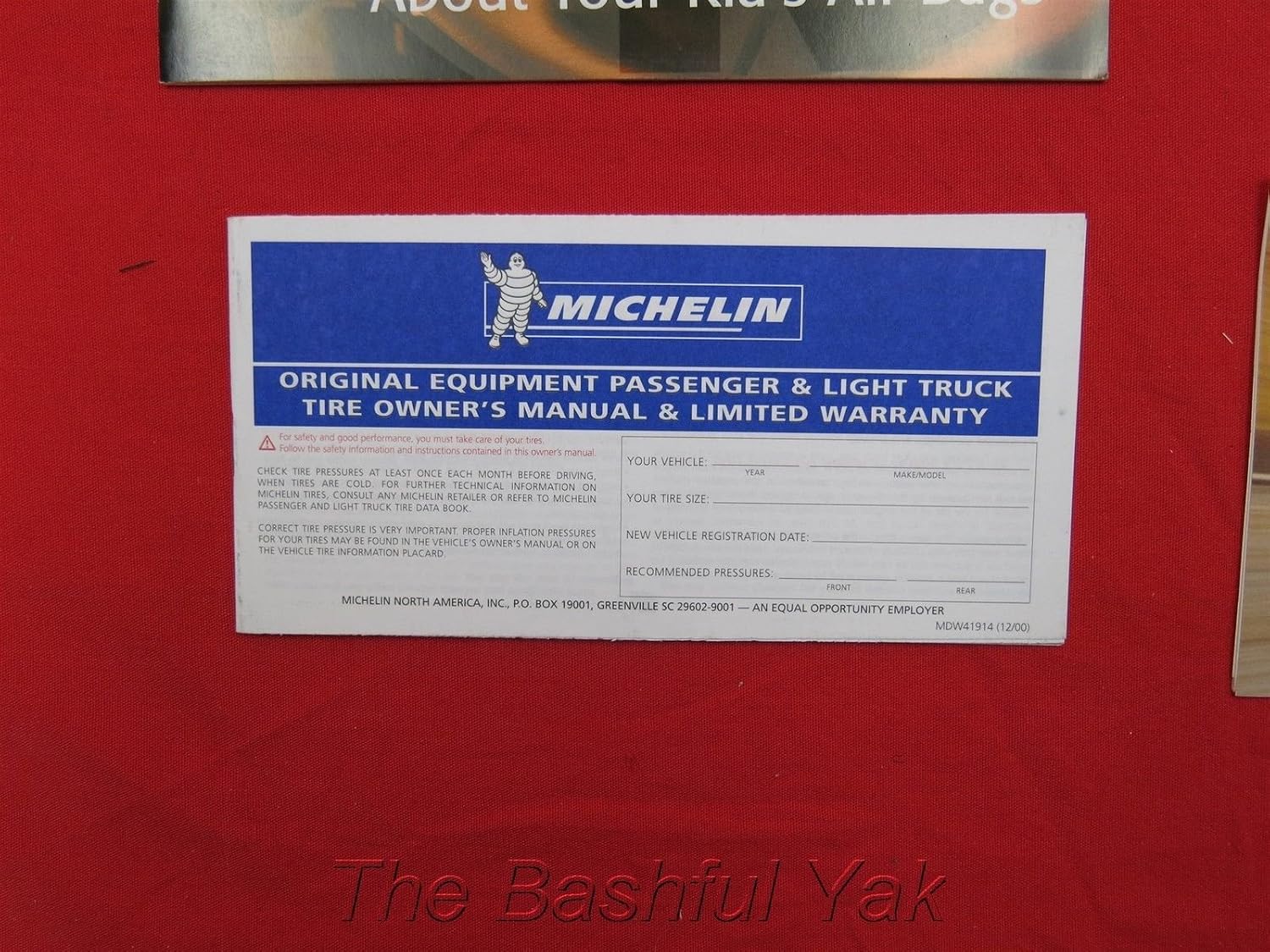
Image 5.1: The Michelin Original Equipment Passenger & Light Truck Tire Owner's Manual & Limited Warranty, providing specific tire care instructions.
5.4. Battery Care
Keep battery terminals clean and ensure connections are secure. If the vehicle will be stored for an extended period, consider disconnecting the battery or using a trickle charger.
6. Specifications
Key technical specifications for your 2004 Kia Sorento.
| Feature | Specification |
|---|---|
| Fuel Tank Capacity | Refer to main owner's manual |
| Recommended Fuel Type | Unleaded gasoline (refer to manual for octane rating) |
| Engine Oil Type | Refer to main owner's manual for viscosity and API rating |
| Tire Pressure (Front/Rear) | Refer to vehicle placard (typically on driver's door jamb) |
7. Troubleshooting
This section addresses common issues you might encounter and provides guidance on how to resolve them.
7.1. Warning Lights
If a warning light illuminates on your dashboard, consult the main owner's manual for its specific meaning and recommended action. Do not ignore warning lights.
7.2. Engine Will Not Start
Check battery connections, ensure sufficient fuel, and verify the transmission is in Park (P) or Neutral (N). If the issue persists, seek professional assistance.
7.3. Flat Tire
Refer to the main owner's manual for instructions on safely changing a flat tire, including the location of the spare tire and jack.
8. Warranty and Consumer Information
Your Kia Sorento is covered by a manufacturer's warranty. Details regarding coverage, terms, and conditions are provided in a separate manual.
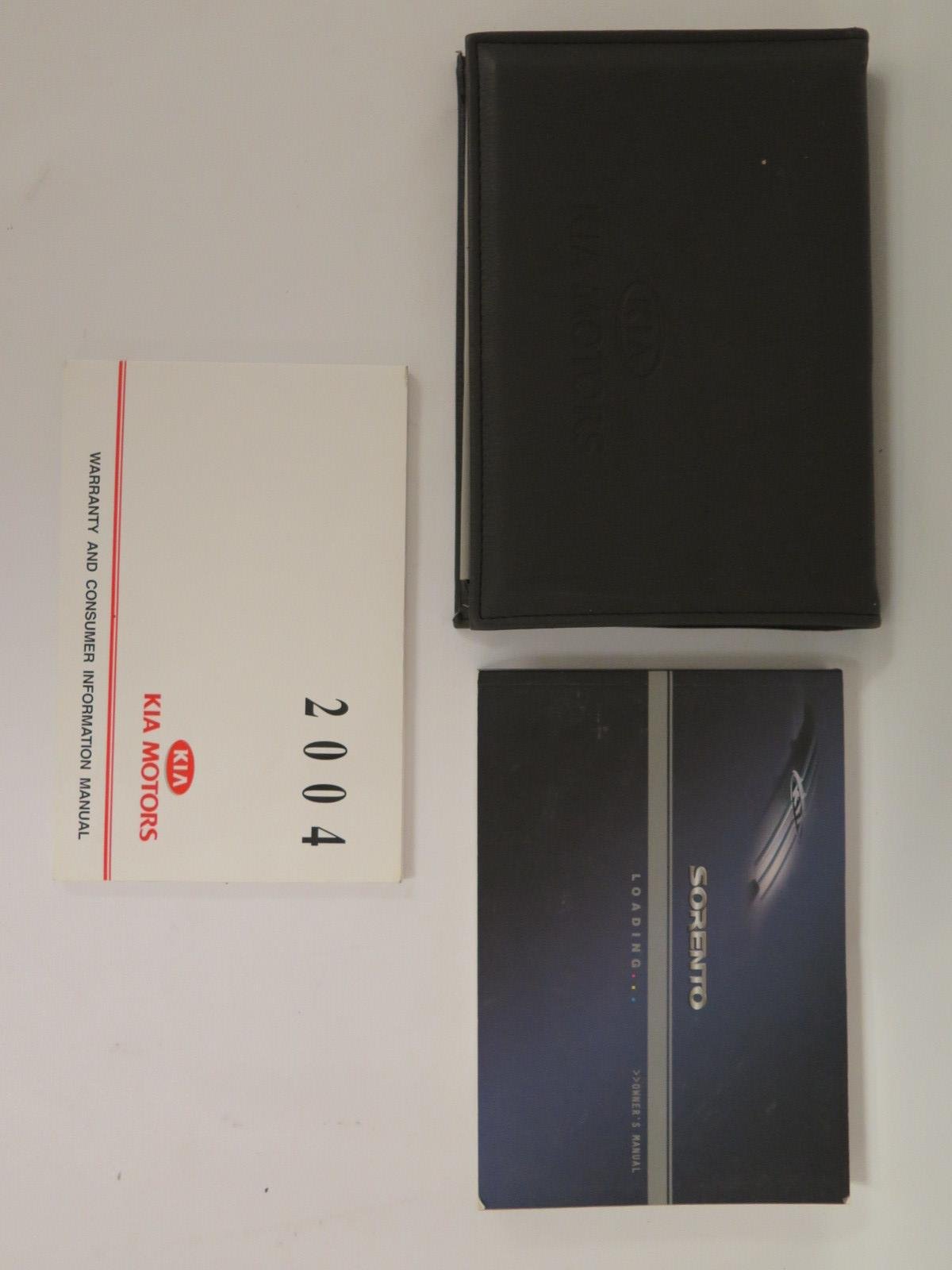
Image 8.1: The 'Warranty and Consumer Information Manual' for the 2004 Kia, detailing warranty terms and consumer rights.
For specific warranty claims or service inquiries, please contact an authorized Kia dealership.