
Introduction
This manual contains important information regarding the operation, maintenance, and safety of your 1997 GMC Safari. Please read it thoroughly to ensure proper use and care of your vehicle. Familiarizing yourself with the contents will help you understand the features and functions, contributing to a safer and more enjoyable driving experience.
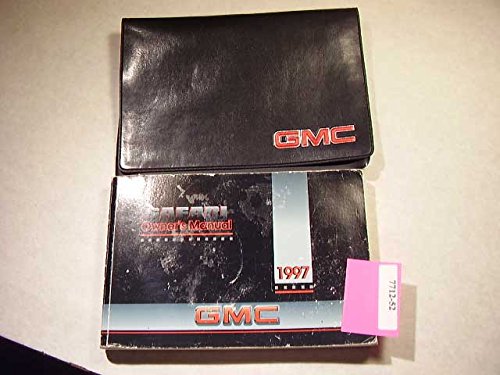
Image: Front cover of the 1997 GMC Safari Owner's Manual, displaying the vehicle model and year.
Getting Started
Before operating your GMC Safari, it is essential to understand its basic controls and features.
Vehicle Familiarization
- Dashboard Layout: Locate the speedometer, tachometer, fuel gauge, and temperature gauge.
- Indicator Lights: Understand the meaning of various warning and indicator lights on the instrument panel. Refer to the specific section in the manual for detailed explanations.
- Steering Wheel Controls: Identify controls for horn, cruise control (if equipped), and windshield wipers.
- Ignition Switch: Learn the positions (LOCK, ACC, ON, START) and their functions.
Seating and Restraints
- Seat Adjustment: Adjust the driver's seat for optimal comfort and control.
- Seat Belts: Always wear your seat belt and ensure all passengers are properly restrained.
- Airbags: Understand the location and function of the airbag system.
Operating Your Vehicle
This section covers the procedures for starting, driving, and stopping your 1997 GMC Safari.
Starting the Engine
- Ensure the parking brake is engaged.
- Place the transmission in PARK (P) or NEUTRAL (N).
- Insert the key into the ignition and turn it to the START position. Release the key once the engine starts.
- Allow the engine to idle briefly before driving, especially in cold weather.
Driving Procedures
- Automatic Transmission: Shift into DRIVE (D) for normal forward motion. Use LOW (L) or 2 for increased engine braking or specific driving conditions.
- Braking: Apply steady pressure to the brake pedal to slow down or stop. Avoid sudden braking unless necessary.
- Steering: Maintain a firm grip on the steering wheel.
- Fueling: Always turn off the engine before refueling. Refer to the fuel cap for recommended fuel type.
Maintenance
Regular maintenance is crucial for the longevity and performance of your GMC Safari.
Scheduled Maintenance
Refer to the maintenance schedule provided in the full owner's manual for specific intervals for inspections and replacements. Key items include:
- Oil and Filter Change: Typically every 3,000-5,000 miles or as recommended.
- Tire Rotation: Every 5,000-7,500 miles to ensure even wear.
- Fluid Checks: Regularly inspect engine oil, coolant, brake fluid, power steering fluid, and transmission fluid levels.
- Air Filter Replacement: As needed, based on driving conditions.
Tire Care
- Tire Pressure: Check tire pressure monthly, including the spare, when tires are cold. Refer to the placard on the driver's side door jamb for correct pressures.
- Tread Depth: Inspect tire tread for wear indicators. Replace tires when tread depth is insufficient.
Battery Maintenance
Ensure battery terminals are clean and tight. If the battery requires replacement, use a battery with equivalent specifications.
Troubleshooting
This section provides guidance for common issues you might encounter.
Engine Will Not Start
- Battery: Check for a dead or weak battery. Look for corrosion on terminals.
- Fuel: Ensure there is sufficient fuel in the tank.
- Ignition: Confirm the ignition key is fully turned to the START position.
- Transmission: Verify the transmission is in PARK (P) or NEUTRAL (N).
Warning Lights Illuminated
If a warning light illuminates on your dashboard, consult the full owner's manual immediately for specific instructions. Common lights include:
- Check Engine Light: Indicates an issue with the engine or emissions system.
- Oil Pressure Light: Indicates low engine oil pressure. Stop the vehicle safely and check oil level.
- Battery Light: Indicates a problem with the charging system.
Flat Tire
Refer to the full manual for detailed instructions on how to safely change a flat tire using the spare tire and tools provided with your vehicle.
Specifications
Key technical specifications for the 1997 GMC Safari.
| Category | Specification |
|---|---|
| Model Year | 1997 |
| Make | GMC |
| Model | Safari |
| Engine Type | Varies by trim (e.g., 4.3L V6) |
| Fuel Tank Capacity | Varies by configuration |
| Tire Size | Refer to vehicle door jamb placard |
| Transmission | Automatic |
For detailed specifications, including dimensions, weights, and specific engine variants, please consult the complete owner's manual.
Warranty and Support
This section provides general information regarding warranty coverage and how to obtain support for your vehicle.
Warranty Information
Your 1997 GMC Safari was sold with a limited warranty covering certain components and conditions. Details regarding the duration, coverage, and exclusions of your specific warranty can be found in the original warranty booklet provided with your vehicle at the time of purchase. It is important to adhere to the recommended maintenance schedule to keep your warranty valid.
Customer Support
For technical assistance, service inquiries, or to locate an authorized service center, please refer to the contact information provided in your original vehicle documentation or visit the official GMC website. When contacting support, have your Vehicle Identification Number (VIN) readily available.


