
1. Product Overview
The GM Genuine Parts 213-3866 Heated Oxygen (O2) Sensor is a critical component of your vehicle's exhaust system, designed to measure the oxygen content in the exhaust gases. This measurement allows the engine management computer to precisely adjust the air/fuel ratio, optimizing engine performance, reducing emissions, and improving fuel economy. As a GM-recommended replacement part, it offers the quality, reliability, and durability expected from General Motors Original Equipment.

Figure 1: The GM Genuine Parts 213-3866 Heated Oxygen Sensor. This image shows the complete sensor unit, including the sensor tip, wiring, and electrical connector.
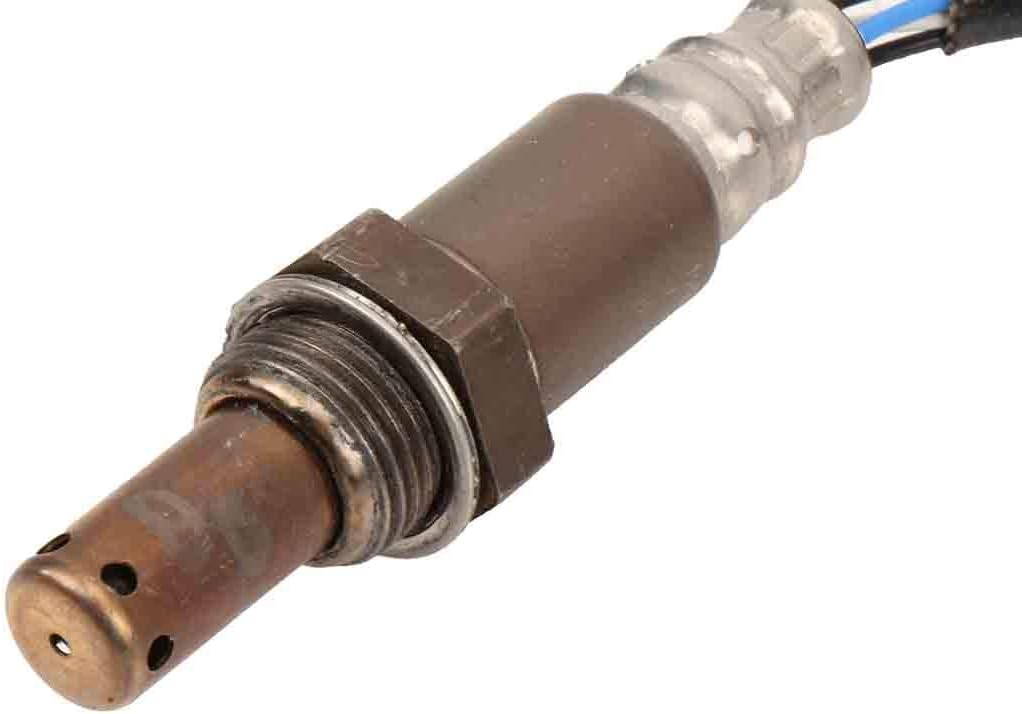
Figure 2: Close-up view of the oxygen sensor tip. The tip contains the sensing element that interacts with exhaust gases to determine oxygen levels.

Figure 3: Detailed view of the oxygen sensor's electrical connector. This connector ensures a secure and proper electrical connection to the vehicle's wiring harness.
Key Features:
- Detects oxygen content in exhaust gases to optimize emissions and fuel economy.
- GM-recommended replacement part for your GM vehicle’s original factory component.
- Offers the quality, reliability, and durability of GM OE (Original Equipment).
- Manufactured to GM OE specification for fit, form, and function.
2. Installation and Setup
Installation of an oxygen sensor typically requires specific tools and technical knowledge. It is highly recommended that installation be performed by a qualified automotive technician. Incorrect installation can lead to damage to the sensor, vehicle systems, or personal injury.
General Installation Guidelines (for qualified technicians):
- Safety First: Ensure the vehicle is turned off, cooled down, and properly secured on a lift or jack stands. Disconnect the battery's negative terminal.
- Locate the Sensor: Identify the oxygen sensor(s) to be replaced. Refer to your vehicle's service manual for exact locations.
- Disconnect Electrical Connector: Carefully disconnect the electrical connector from the old sensor.
- Remove Old Sensor: Use a specialized oxygen sensor socket or wrench to remove the old sensor from the exhaust system. Note that sensors can be very tight due to heat and corrosion.
- Prepare New Sensor: The new GM Genuine Parts oxygen sensor typically comes with anti-seize compound pre-applied to the threads. If not, apply a thin layer of high-temperature anti-seize compound to the threads of the new sensor, being careful not to get any on the sensor tip.
- Install New Sensor: Carefully thread the new sensor into the exhaust bung by hand to prevent cross-threading. Tighten it to the manufacturer's specified torque using the appropriate tool.
- Connect Electrical Connector: Reconnect the electrical connector securely until it clicks into place.
- Final Steps: Reconnect the battery's negative terminal. Clear any stored diagnostic trouble codes (DTCs) using an OBD-II scanner.
After installation, allow the vehicle's engine control module (ECM) to relearn the new sensor's readings. This may involve a few drive cycles.
3. Operating Principles
Once installed and functioning, the GM Genuine Parts 213-3866 Heated Oxygen Sensor continuously monitors the amount of unburned oxygen in the exhaust gases exiting the engine. This data is transmitted as an electrical signal to the vehicle's Engine Control Module (ECM).
The ECM uses this signal to make real-time adjustments to the fuel injection and ignition timing, ensuring the engine operates at an optimal air-to-fuel ratio (stoichiometric ratio, approximately 14.7 parts air to 1 part fuel). This precise control is crucial for:
- Emissions Control: Ensuring the catalytic converter operates efficiently to reduce harmful pollutants.
- Fuel Efficiency: Preventing rich (too much fuel) or lean (too little fuel) conditions that waste fuel.
- Engine Performance: Maintaining proper combustion for smooth operation and power delivery.
The "heated" aspect of this sensor means it contains an internal heating element. This element allows the sensor to reach its operating temperature quickly, providing accurate readings sooner after engine start-up, which is vital for cold-start emissions control.
4. Maintenance
Oxygen sensors are wear-and-tear components that degrade over time due to exposure to extreme heat, exhaust gases, and contaminants. They are not designed to be maintained or cleaned by the user.
While there is no routine maintenance schedule for oxygen sensors, it is advisable to:
- Monitor Vehicle Performance: Pay attention to changes in fuel economy, engine performance, or the illumination of the Check Engine Light.
- Regular Vehicle Inspections: During routine vehicle maintenance, a technician may inspect the sensor's wiring and connector for visible damage.
- Replace as Needed: Replace the oxygen sensor when diagnostic trouble codes indicate a fault, or if it is determined to be failing during a professional diagnostic check. The lifespan of an oxygen sensor can vary, but they typically last between 30,000 to 100,000 miles depending on driving conditions and fuel quality.
5. Troubleshooting
A faulty oxygen sensor can lead to various vehicle issues. Below are common symptoms and potential causes:
| Symptom | Potential Cause | Recommended Action |
|---|---|---|
| Check Engine Light (CEL) Illuminated | Sensor failure, wiring issue, or incorrect readings. Common codes include P0130-P0167. | Have the vehicle scanned for diagnostic trouble codes (DTCs) by a qualified technician. Replace sensor if indicated. |
| Decreased Fuel Economy | Inaccurate sensor readings causing the engine to run too rich (using more fuel). | Inspect sensor and related systems. Consider replacement if other causes are ruled out. |
| Rough Idling or Stalling | Poor air/fuel mixture control due to a faulty sensor. | Professional diagnosis is recommended to pinpoint the exact cause. |
| Increased Emissions / Failed Emissions Test | Sensor not providing correct data for emissions control. | Verify sensor function and replace if it's not within specifications. |
Important: Troubleshooting complex automotive systems should always be performed by certified professionals. Attempting repairs without proper knowledge and tools can lead to further damage or safety hazards.
6. Specifications
| Attribute | Detail |
|---|---|
| Brand | GM Genuine Parts / ACDelco |
| Model Number | 213-3866 |
| OEM Part Number | 12583804 |
| Item Dimensions (L x W x H) | 8.2 x 3.2 x 3.2 inches |
| Item Weight | 3.2 ounces |
| Maximum Supply Voltage | 12 Volts (DC) |
| Measurement Accuracy | ±1% |
| Mounting Type | Flange Mount |
| Output Type | Electrical Signal |
| Specific Uses For Product | Oxygen Sensor |
| Upper Temperature Rating | 1550 Degrees Fahrenheit |
| UPC | 707773178287 |
7. Warranty and Support
As a GM Genuine Parts product, this oxygen sensor is backed by General Motors' standard warranty for original equipment parts. Specific warranty terms and conditions may vary and are subject to the policies of General Motors or ACDelco.
For detailed warranty information, technical support, or assistance with product-related inquiries, please refer to the official GM Genuine Parts or ACDelco website, or contact their customer service directly. It is advisable to have your product model number (213-3866) and purchase details ready when contacting support.
You can typically find contact information on the official websites: