
1. Introduction
This manual provides instructions for the safe and proper use, setup, and maintenance of your Kelty K.I.D.S. FC 3.0 Frame Child Carrier. This carrier is designed for transporting children during outdoor activities such as hiking. Please read this manual thoroughly before first use and retain it for future reference.
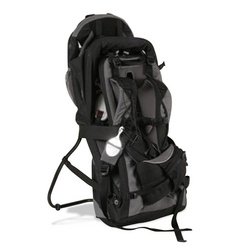
Figure 1: Kelty K.I.D.S. FC 3.0 Frame Child Carrier. This image displays the carrier in its assembled state, highlighting the main frame, child seating area, and shoulder straps.
2. Safety Information
Your child's safety is paramount. Always adhere to the following safety guidelines:
- Weight Limit: Do not exceed the maximum weight recommendation of 50 pounds (child + contents).
- Age Suitability: Suitable for children from 3 months of age who can sit upright unassisted.
- Harness Use: Always secure your child with the five-point adjustable harness. Ensure all straps are snug but not overly tight.
- Kickstand: Always deploy the auto-deploy kickstand when placing the carrier on the ground or loading/unloading your child. Ensure it is fully retracted when carrying.
- Supervision: Never leave your child unattended in the carrier.
- Balance: Maintain proper balance when wearing the carrier. Be aware of the increased height and weight.
- Environmental Awareness: Be cautious of overhead obstacles, low branches, and uneven terrain.
- Weather Protection: Use the SunRain hood as needed for protection against sun and light rain. Monitor your child for signs of overheating or cold.
- Inspection: Before each use, inspect the carrier for any signs of wear, damage, or loose components. Do not use if damaged.
3. Setup Instructions
Proper setup ensures comfort and safety for both the wearer and the child.
3.1 Adjusting Parent Torso Fit
The carrier features an adjustable torso length to fit parents with torso measurements between 12 and 20 inches. Locate the torso adjustment mechanism on the back panel of the carrier. Loosen the straps or release the locking pin (depending on model variation) and slide the shoulder strap assembly up or down until it aligns with your torso length. Re-secure the mechanism firmly. A proper fit ensures the hip belt rests comfortably on your hips, not your waist.
3.2 Deploying the Auto-Deploy Kickstand
The carrier is equipped with an auto-deploy kickstand for stability when placed on the ground. When you set the carrier down, the kickstand should automatically extend. Ensure it is fully deployed and stable before placing your child in or removing them from the carrier. When lifting the carrier to wear it, the kickstand will retract into the frame, thanks to the No-Pinch hinges (US Patent 5,626,271).
3.3 Adjusting the Child's Five-Point Harness
The child's seating area includes a five-point adjustable harness. Adjust the shoulder straps, waist straps, and crotch strap to fit your child snugly. Ensure there is no slack in the straps and that the child is securely seated. The harness should be tight enough so that you cannot pinch any excess webbing at the child's shoulder.
3.4 Installing the SunRain Hood
The SunRain hood (US Patent 5,609,279) provides protection from sun and light rain. Locate the hood and its attachment points on the carrier frame, typically above the child's head. Securely attach the hood according to the specific design, ensuring it is taut and provides adequate coverage without obstructing the child's view or breathing.
4. Operating Instructions
4.1 Placing Your Child in the Carrier
- Place the carrier on a flat, stable surface.
- Ensure the auto-deploy kickstand is fully extended and stable.
- Unbuckle the child's five-point harness.
- Carefully place your child into the seating area.
- Buckle and adjust the five-point harness, ensuring a snug and secure fit. Double-check all straps.
4.2 Wearing the Carrier
- With your child securely harnessed, stand in front of the carrier.
- Grasp the top handle or shoulder straps and carefully lift the carrier onto your back. The kickstand will retract automatically.
- Slide your arms through the shoulder straps.
- Fasten and tighten the hip belt around your hips, ensuring it bears most of the weight.
- Fasten and adjust the sternum strap across your chest for added stability.
- Adjust shoulder straps as needed for comfort.
4.3 Removing Your Child from the Carrier
- Carefully remove the carrier from your back and place it on a flat, stable surface. Ensure the auto-deploy kickstand is fully extended.
- Unbuckle the child's five-point harness.
- Carefully lift your child out of the carrier.
5. Maintenance
5.1 Cleaning Instructions
The Kelty K.I.D.S. FC 3.0 Frame Child Carrier requires hand washing only. Do not machine wash, bleach, tumble dry, iron, or dry clean. Use a mild soap and cold water to spot clean soiled areas. Rinse thoroughly and air dry completely before storage or next use. Ensure all metal components are dry to prevent rust.
5.2 Storage
Store the carrier in a cool, dry place away from direct sunlight when not in use. Ensure it is clean and completely dry before storage to prevent mildew and material degradation.
5.3 Regular Inspection
Periodically inspect all straps, buckles, zippers, and frame components for signs of wear, fraying, cracks, or damage. Pay close attention to the No-Pinch hinges and the torso adjustment mechanism. If any part is damaged or appears compromised, discontinue use and contact customer support for assistance.
6. Troubleshooting
6.1 Carrier Feels Uncomfortable or Unbalanced
- Torso Adjustment: Re-check the parent torso fit. Ensure the hip belt is resting on your hips and not too high or low.
- Strap Adjustment: Ensure all shoulder, hip, and sternum straps are properly tightened and adjusted for your body. The majority of the weight should be on your hips.
- Child Positioning: Ensure your child is centered in the seat and the harness is snug. An off-center child can affect balance.
6.2 Child's Head Lacks Support When Asleep
- While the carrier provides a secure seating area, additional head support for a sleeping child may be desired. Consider using a rolled-up soft garment or a neck pillow placed carefully around the child's head to provide gentle support. Always ensure the child's airway remains clear.
6.3 Torso Adjustment Mechanism Issues (Older Models)
- Some older models may experience wear on the pin mechanism used for torso height adjustment. If the adjustment becomes loose or fails, discontinue use. Contact Kelty customer support for repair or replacement options. Do not attempt unauthorized repairs that could compromise safety.
7. Specifications
| Model Number: | 20080046.00 |
| Brand: | Kelty |
| Parent Torso Fit Range: | 12 - 20 inches |
| Maximum Weight Recommendation: | 50 Pounds (child + contents) |
| Age Range: | From 3 months (able to sit upright unassisted) |
| Material: | Metal, Nylon |
| Color: | Black |
| Care Instructions: | Hand Wash Only |
| Key Features: | Five-point adjustable child's harness, Auto-deploy kickstand, No-Pinch hinges (US Patent 5,626,271), SunRain hood included (US Patent 5,609,279) |
8. Warranty & Support
Kelty products are designed for durability and performance. For specific warranty details, claims, or technical support, please refer to the official Kelty website or contact Kelty customer service directly. Keep your proof of purchase for warranty purposes.
Contact Information: Please visit www.kelty.com for the most current support and contact details.