Introduction
The Nikon D40x is a compact and user-friendly digital SLR camera designed to deliver exceptional image quality. Featuring a 10.2-effective megapixel CCD image sensor and Nikon’s exclusive image processing engine, it produces stunning sharpness and color, suitable for large prints and creative cropping. This manual provides essential information for setting up, operating, and maintaining your D40x camera to help you capture crisp and detailed photographs.
Setup
1. Attaching the Lens
Align the mounting mark on the lens with the lens mount mark on the camera body. Rotate the lens counter-clockwise until it clicks into place. Ensure the lens is securely attached before use.

Figure 1: Front view of the Nikon D40x with the 18-55mm lens attached.
2. Inserting the Battery
Open the battery chamber cover located at the bottom of the camera. Insert the supplied EN-EL9 rechargeable battery, ensuring the correct orientation. Close the cover securely.

Figure 2: Bottom view of the Nikon D40x, illustrating the battery compartment.
3. Inserting a Memory Card
Open the memory card slot cover on the side of the camera. Insert a compatible SD or SDHC memory card with the contacts facing the correct direction. Close the cover until it clicks.
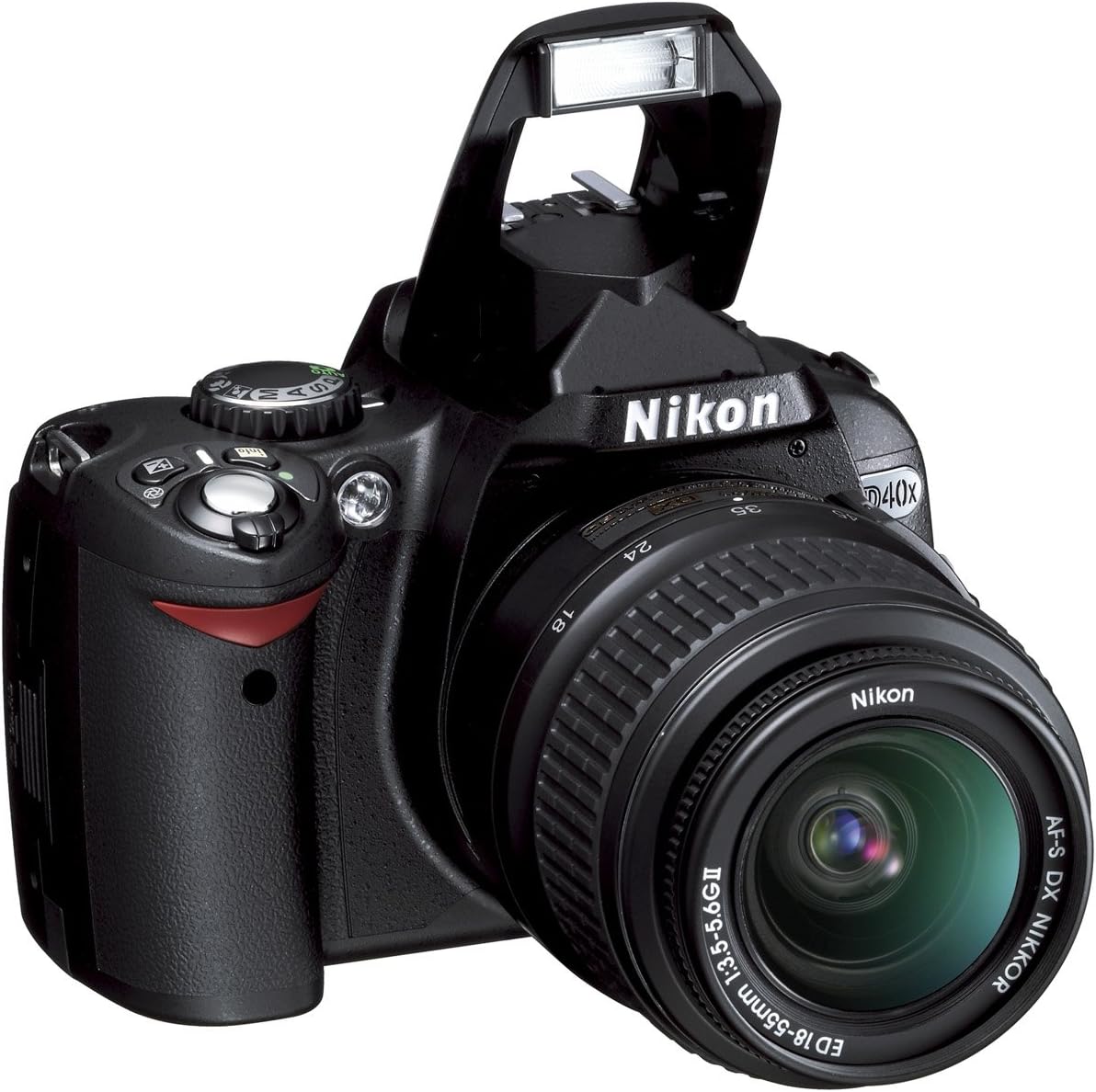
Figure 3: Side view of the Nikon D40x, highlighting the memory card slot.
Operating the Camera
1. Power On/Off
To turn the camera on or off, rotate the power switch located near the shutter-release button.

Figure 4: Top view of the Nikon D40x, indicating the power switch and mode dial.
2. Basic Shooting Modes
The D40x features a mode dial for selecting various shooting modes. For beginners, the AUTO mode is recommended as the camera automatically adjusts settings for optimal results. Other Digital-Vari Program Modes include:
- Auto Flash-OFF: For situations where flash is not desired.
- Portrait: Optimizes settings for flattering portraits.
- Landscape: Enhances colors and sharpness for scenic views.
- Child: Freezes motion for active subjects.
- Sports: Uses faster shutter speeds to capture fast-moving action.
- Close Up: Ideal for shooting close-up subjects like flowers or insects.
- Night Portrait: Balances flash and ambient light for night portraits.
3. Using the Built-in Flash
The built-in Speedlight with i-TTL automatic flash control provides balanced flash exposure. In low-light or backlit conditions, the flash can be used to add illumination. The flash can be manually raised or will pop up automatically in certain modes.

Figure 5: Front view of the Nikon D40x with the built-in flash in the raised position.
4. LCD Monitor and Navigation
The 2.5-inch, 230,000-pixel color LCD monitor allows for easy image review and menu navigation. Use the multi-selector (OK button in the center) to navigate menus and select options. The monitor also features 3 colorful display options: Classic, Graphic, and Wallpaper.

Figure 6: Rear view of the Nikon D40x, displaying the LCD monitor and various control buttons.
5. In-Camera Editing Functions
The D40x offers versatile in-camera editing features through the Retouch Menu. These include Nikon D-Lighting, Red-Eye Correction, Image Trim, Image Overlay, Monochrome (Black and White, Sepia, Cyanotype), Skylight, Warm Tone, and Color Balance filter effects. This allows for creative adjustments without needing a computer.
Maintenance
1. Cleaning the Camera and Lens
Use a soft, lint-free cloth to clean the camera body. For the lens and LCD screen, use a specialized lens cleaning cloth and solution. Avoid touching the lens or sensor directly with your fingers. Keep lens caps on when not in use to prevent dust and scratches.
2. Battery Care
Always use the supplied EN-EL9 rechargeable battery and charger. Charge the battery fully before use. Store the battery in a cool, dry place when not in use. Avoid exposing the battery to extreme temperatures.
3. Memory Card Handling
Format new memory cards in the camera before first use. Always turn off the camera before inserting or removing a memory card to prevent data corruption. Store memory cards in a protective case.
Troubleshooting
1. Camera Not Turning On
Ensure the battery is fully charged and correctly inserted. Check that the power switch is in the 'ON' position.
2. Blurry Images
Check the focus mode (Autofocus or Manual). Ensure sufficient lighting. If using the 18-55mm VR lens, ensure Vibration Reduction (VR) is enabled in low light or when shooting handheld. Clean the lens if smudges are present.
3. Flash Not Firing
Verify that the flash is raised. Check the shooting mode; some modes (e.g., Auto Flash-OFF) disable the flash. Ensure the battery has sufficient charge.
4. "Memory Full" Message
Delete unwanted images or insert a new, empty memory card. Transfer images to a computer to free up space.
5. Using the HELP Menu
The D40x features an advanced HELP Menu system with "Assist Images." If a Question Mark icon (?) appears, press the HELP button beside the LCD monitor for context-sensitive assistance.
Specifications
| Model Name | Nikon D40x |
| Effective Still Resolution | 10.2 MP |
| Photo Sensor Technology | CCD |
| Lens Type | 18-55mm f/3.5-5.6G ED II AF-S DX Zoom-Nikkor lens |
| Optical Zoom | 3x |
| Image Stabilization | Dual |
| Screen Size | 2.5 Inches |
| ISO Range | 100-1600, ISO auto |
| Continuous Shooting | 2.5 frames per second |
| Supported File Format | JPEG, RAW |
| Connectivity Technology | Wired |
| Flash Memory Type | SD; SDHC |
Warranty and Support
For warranty information and technical support, please refer to the documentation included with your product or visit the official Nikon website. Contact customer service for assistance with any issues not covered in this manual.


