
Introduction
The Fowler High Precision Cylinder Dial Bore Gage, model 52-646-300-0, is a precision instrument designed for accurately measuring the internal diameters (bores) of workpieces. It features durable carbide-tipped anvils and offers a measurement range of 2 to 6 inches. This manual provides essential information for the proper setup, operation, and maintenance of your bore gage to ensure reliable and accurate performance.
What's in the Box
Upon opening your Fowler 52-646-300-0 Cylinder Dial Bore Gage kit, you should find the following components:
- 1 Dial Bore Gage complete with an insulated grip.
- 11 Anvils (one anvil is typically pre-installed in the measuring head).
- 4 Anvil Spacers.
- 1 Two-inch Extension.
- 1 Instruction Manual.

Components Overview
Understanding the individual components of your bore gage is crucial for proper operation:
- Gage Body/Handle: The main shaft of the tool, featuring an insulated grip for comfortable and stable handling during measurements.
- Dial Indicator: The precision measuring device that displays the deviation from a set standard. This model is equipped with an AGD Group 2 indicator, providing graduations of 0.0005 inches.
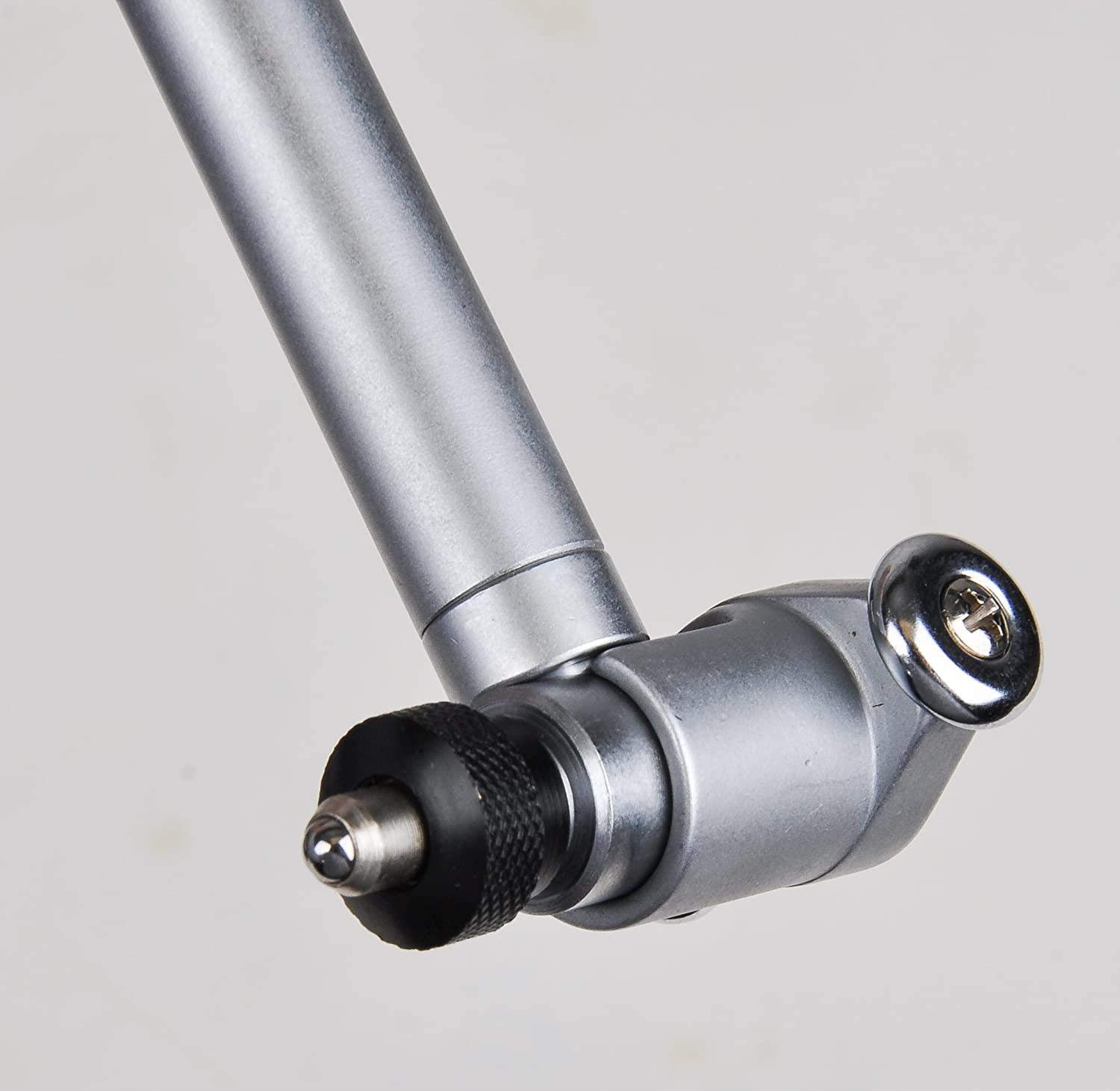
- Measuring Head: The end of the gage that enters the bore, containing the fixed and movable contact points (anvils). It incorporates a self-centering mechanism.
- Anvils: Interchangeable, carbide-tipped contact points that determine the specific measurement range. They are designed for extended wear and improved abrasion resistance.
- Extension: A 2-inch extension piece that can be added to increase the measuring depth for deeper bores.
- Spacers: Thin washers used in conjunction with anvils to fine-tune the overall measurement range and achieve precise settings.

Setup
Proper setup is critical for accurate measurements. Follow these steps to prepare your bore gage:
- Select Anvil and Spacers: Based on the nominal diameter of the bore you intend to measure, select the appropriate carbide-tipped anvil and any necessary spacers. The kit includes 11 anvils and 4 spacers to cover the 2-6 inch range.
- Install Anvil: Carefully screw the chosen anvil into the measuring head of the gage. Ensure it is securely finger-tight.
- Attach Extension (if needed): If measuring a deep bore, attach the 2-inch extension between the gage body and the measuring head. Ensure both connections are secure.
- Install Dial Indicator: Insert the stem of the dial indicator into the clamping mechanism on the gage body. Position it so the indicator's plunger rests against the internal actuating rod of the gage. Secure the indicator firmly with the locking screw.
- Initial Calibration: The bore gage provides relative measurements, meaning it must be calibrated to a known standard. Use a setting ring or a micrometer set to the nominal bore size you wish to measure.
- Zeroing the Indicator: With the gage set to the known standard, gently compress the anvils until the indicator needle stabilizes. Rotate the outer bezel of the dial indicator until the '0' mark aligns precisely with the indicator needle. This establishes your zero reference point.
Operating Instructions
Once the bore gage is properly set up and zeroed, follow these steps to take accurate measurements:
- Insert Gage: Carefully insert the measuring head of the bore gage into the bore you wish to measure. Ensure the anvils are fully compressed before insertion to avoid damage.
- Self-Centering: The gage is designed with a self-centering mechanism. Gently rock the gage back and forth within the bore, perpendicular to the axis of the bore, while observing the dial indicator. The lowest reading displayed on the dial represents the true diameter at that specific depth.
- Take Reading: Read the deviation from zero on the dial indicator. If the needle moves to the positive side (e.g., +0.001"), the bore is larger than your set standard by that amount. If it moves to the negative side (e.g., -0.0005"), the bore is smaller.
- Measure at Multiple Depths and Orientations: To check for conditions like taper, ovality, or lobing, take measurements at various depths along the bore and rotate the gage to different orientations (e.g., 0°, 90°, 180°, 270°).
- Record Measurements: Accurately record all measurements for analysis.

Maintenance
Proper care and maintenance will extend the life and accuracy of your Fowler bore gage:
- Cleaning: After each use, wipe down all components of the gage with a clean, soft, lint-free cloth. If necessary, use a mild, non-corrosive cleaning solution, ensuring no liquid enters the dial indicator mechanism.
- Lubrication: Periodically apply a very light film of fine instrument oil to the moving metal parts, especially if the gage will be stored for an extended period. Avoid over-lubrication, particularly near the dial indicator.
- Storage: Always store the bore gage and its accessories in the provided fitted case. This protects them from dust, moisture, temperature fluctuations, and physical damage.
- Handle with Care: Avoid dropping or subjecting the gage to any impact, as this can significantly affect its calibration and accuracy.
- Calibration Checks: Regularly check the calibration of your bore gage against known standards to ensure continued accuracy.

Troubleshooting
If you encounter issues with your Fowler Cylinder Dial Bore Gage, consider the following common problems and solutions:
- Inaccurate or Inconsistent Readings:
- Calibration: Ensure the gage was properly calibrated to a known standard immediately before use. Re-calibrate if necessary.
- Cleanliness: Check for any dirt, debris, or foreign material on the anvils, contact points, or within the bore being measured. Clean thoroughly.
- Indicator Mounting: Verify that the dial indicator is securely mounted and its plunger moves freely without binding.
- Correct Components: Confirm that the correct anvil and spacers are installed for the specific measurement range.
- Sticking Plunger on Dial Indicator:
- Cleanliness: The plunger or stem may have accumulated dirt. Clean the indicator stem and plunger carefully.
- Lubrication: A very small amount of fine instrument oil can be applied to the plunger if it feels stiff, but avoid excessive lubrication which can attract dust.
- Difficulty Zeroing the Indicator:
- Standard Check: Re-check the accuracy of your calibration standard.
- Bezel Rotation: Ensure the dial indicator bezel rotates smoothly and is not obstructed.
For persistent issues or problems not covered here, please contact Fowler High Precision customer support for assistance.
Specifications
| Feature | Detail |
|---|---|
| Model Number | 52-646-300-0 |
| Measuring Range | 2" - 6" |
| Graduation | 0.0005" |
| Measuring Depth | 9.5" |
| Anvil Type | Carbide-tipped |
| Contact System | Two-point |
| Indicator Type | AGD Group 2 Dial Indicator |
| Item Weight | 0.704 ounces |
| Manufacturer | Fred V. Fowler Company, Inc. |
Warranty
The Fowler 52-646-300-0 Cylinder Dial Bore Gage is backed by a 1-year warranty provided by Fowler High Precision. This warranty covers defects in materials and workmanship under normal use. For complete details regarding warranty coverage, terms, and conditions, please refer to the official warranty documentation included with your product or contact Fowler High Precision directly.
Support
For technical assistance, inquiries about replacement parts, or service, please reach out to Fowler High Precision customer support. You can find contact information and additional resources by visiting the official Fowler website or their Amazon store page.

