
Continental 17435
Continental 17435 Automotive V-Belt Instruction Manual
Model: 17435
Brand: Continental
1. Introduction
This instruction manual provides essential information for the proper handling, installation, and maintenance of the Continental 17435 Automotive V-Belt. Adhering to these guidelines will help ensure optimal performance and longevity of the product. This V-belt is designed for reliable power transmission in automotive applications.
2. Product Overview
The Continental 17435 Automotive V-Belt is engineered for superior performance in demanding under-hood conditions. It features advanced EPDM rubber compounds for enhanced heat and abrasion resistance, contributing to an extended service life. A polyester tensile member ensures dimensional stability, minimizing elongation and belt slip. The high-traction rubber edges are precisely matched to automotive SAE pulleys, providing consistent, slip-free contact for efficient energy transfer. Fiber-reinforced, rubber helical cogs improve flexibility, reducing cracking and fatigue.
Key Features:
- Continental offers the purest line of Original Equipment.
- Designed to meet or exceed OEM fit and performance standards.
- Precision engineered and rigorously tested for reliability.
- Provides high strength with excellent shear resistance.
- Engineered for straightforward installation.
- Meets all relevant SAE specifications.
- Constructed from quality certified materials for durability.
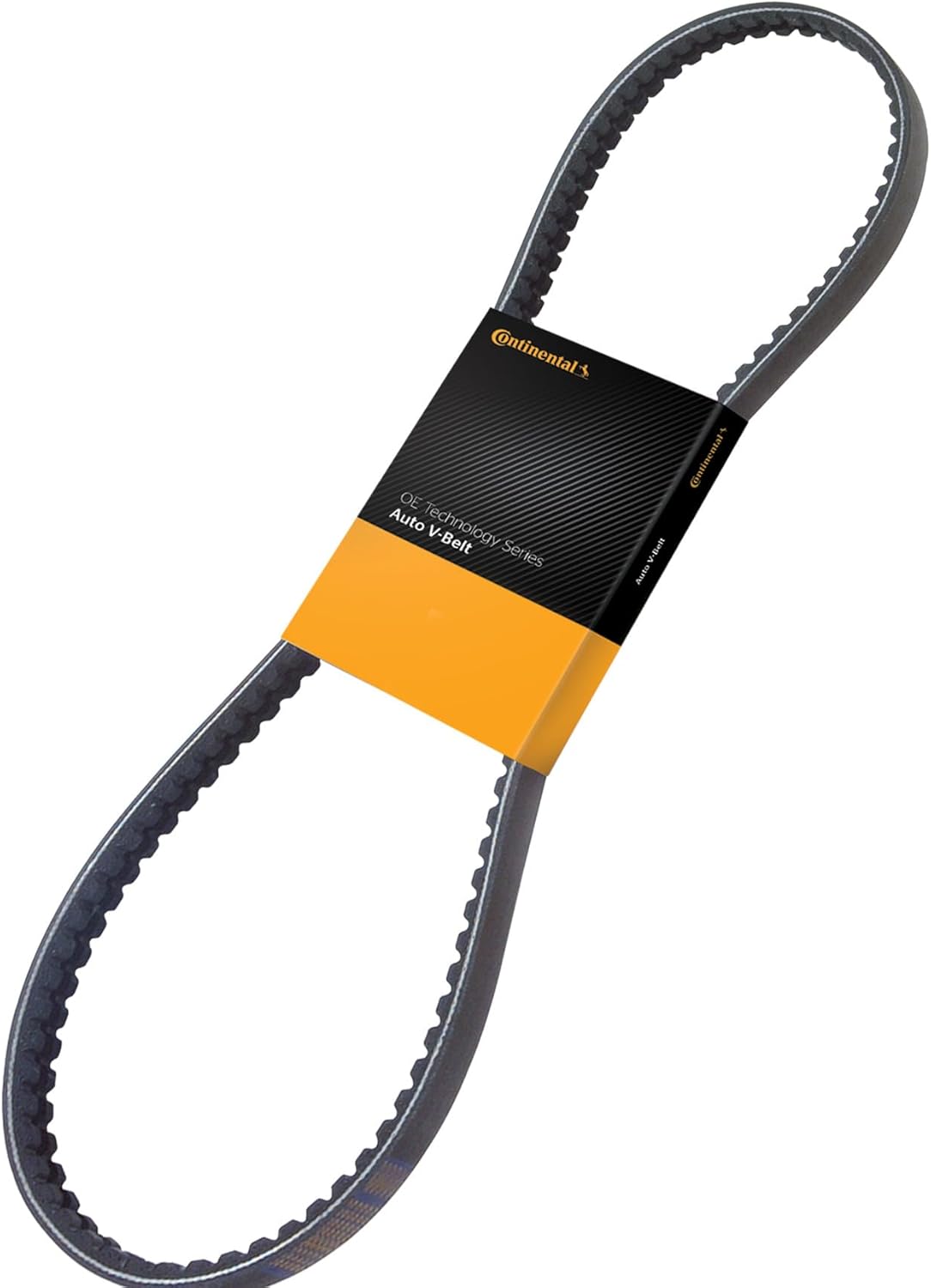
Figure 2.1: The Continental 17435 Automotive V-Belt, showcasing its overall design and packaging.

Figure 2.2: A detailed view of the V-belt's ribbed surface, designed for optimal grip and power transfer within the pulley system.
3. Installation Guidelines
Proper installation is crucial for the performance and lifespan of your Continental V-belt. It is highly recommended that installation be performed by a qualified automotive technician. Always consult your vehicle's specific service manual for detailed instructions regarding belt routing, tensioning specifications, and any special tools required.
Key Installation Points:
- Safety First: Ensure the engine is off and cool. Disconnect the battery if necessary.
- Inspect Pulleys: Before installing the new belt, inspect all pulleys for wear, damage, or misalignment. Worn pulleys can significantly reduce belt life.
- Correct Routing: Follow the vehicle manufacturer's belt routing diagram precisely.
- Tensioning: Apply the correct tension as specified by the vehicle manufacturer. Both under-tensioning (leading to slippage) and over-tensioning (leading to bearing wear) can cause premature failure.
- Matchmaker System: Continental V-belts are manufactured to consistent dimensions, allowing for use as a matched set on drives utilizing multiple belts of the same length.

Figure 3.1: A close-up of the V-belt's fiber-reinforced, rubber helical cogs, which contribute to flexibility and reduce fatigue, essential for proper installation and long-term performance.
4. Operating Considerations
Once installed, the V-belt operates as an integral part of your vehicle's accessory drive system. While there are no direct 'operating' steps for the belt itself, understanding its function and signs of proper operation is important.
- Smooth Operation: A properly installed and tensioned V-belt should operate smoothly without excessive noise (squealing, chirping) or vibration.
- Consistent Power Transfer: The belt is responsible for transferring power from the engine to various accessories like the alternator, power steering pump, and air conditioning compressor. Consistent operation of these components indicates proper belt function.
5. Maintenance and Inspection
Regular inspection and timely maintenance are key to maximizing the life of your Continental V-belt and preventing unexpected breakdowns.
Inspection Schedule:
- Inspect the belt every 12,000 to 15,000 miles (or annually), or as recommended by your vehicle manufacturer.
What to Look For:
- Cracks: Check for visible cracks on the ribbed side and back of the belt.
- Fraying/Shredding: Look for any signs of material fraying or shredding along the edges.
- Glazing: A shiny, hardened surface on the belt indicates glazing, which can lead to slippage.
- Missing Ribs/Chunks: Any missing sections of the belt indicate severe wear and require immediate replacement.
- Contamination: Check for oil, grease, or coolant contamination, which can degrade the belt material.
- Tension: Periodically check belt tension. A loose belt can slip, while an overly tight belt can strain bearings.

Figure 5.1: A side profile view of the V-belt, illustrating the robust construction and material integrity that should be maintained through regular inspection.
6. Troubleshooting Common Issues
If you experience issues related to your vehicle's accessory drive, the V-belt may be a contributing factor. Here are some common symptoms and potential causes:
- Squealing Noise:
- Cause: Loose belt tension, worn belt, misaligned pulleys, or contamination (oil, coolant).
- Solution: Check tension, inspect belt for wear, verify pulley alignment, clean belt/pulleys if contaminated. Replace belt if worn.
- Chirping Noise:
- Cause: Minor misalignment, worn pulley, or slight contamination.
- Solution: Check pulley alignment, inspect pulleys for wear, clean belt.
- Accessory Malfunction (e.g., dim lights, power steering issues):
- Cause: Belt slippage due to low tension or severe wear.
- Solution: Check and adjust belt tension, replace belt if worn.
- Premature Belt Wear:
- Cause: Incorrect tension (too loose or too tight), misaligned pulleys, worn pulleys, or excessive heat.
- Solution: Verify tension, check pulley alignment and condition, address any underlying engine compartment heat issues.
If troubleshooting does not resolve the issue, consult a professional automotive technician.
7. Product Specifications
| Property | Value |
|---|---|
| Manufacturer | Continental ContiTech |
| Brand | Continental |
| Model | Continental 17435 Automotive V-Belt |
| Item Model Number | 17435 |
| Item Weight | 4.5 ounces (approx. 127.57 grams) |
| Product Dimensions | 16.14 x 4.53 x 0.98 inches (approx. 41 x 11.5 x 2.5 cm) |
| Material | Polyester, Rubber |
| Belt Style | V Belt |
| Compatible Devices | Car |
8. Warranty Information
For specific warranty details regarding the Continental 17435 Automotive V-Belt, please refer to the official warranty policy provided by Continental or the retailer from whom the product was purchased. Warranty terms typically cover manufacturing defects and may vary based on region and point of sale.
9. Customer Support
If you require further assistance, have questions about installation, or need to report an issue with your Continental 17435 Automotive V-Belt, please contact Continental customer service or the authorized seller. Contact information can typically be found on the manufacturer's official website or your purchase documentation.
Related documents17435


Ask a question about this manual
Ask about setup, troubleshooting, compatibility, parts, safety, or missing instructions. Manuals+ will review the question and use this page’s manual context to help answer it.