
1. Introduction
This manual provides essential information for the proper installation, operation, and maintenance of your Cardone Remanufactured Brake Master Cylinder, Model 11-3009. This unit is engineered to meet or exceed Original Equipment (OE) performance and reliability standards.
As a remanufactured OE part, this master cylinder ensures a perfect fit for your vehicle. The remanufacturing process utilizes only new, OE-quality seals and cups, and all rubber components meet SAE specifications for optimal performance and durability. The bore is precisely machined to eliminate pitting and corrosion, common causes of premature failure. Cast iron master cylinders feature a premium protective coating to reduce rust and extend unit life. Piston assemblies are carefully measured to ensure OE-level performance, and plastic reservoirs are vacuum-tested for leak-free operation. Bleed kits are provided where applicable to facilitate a faster and easier bleeding process.
Cardone's remanufacturing process is environmentally friendly, significantly reducing the energy and raw materials required compared to manufacturing a new part.
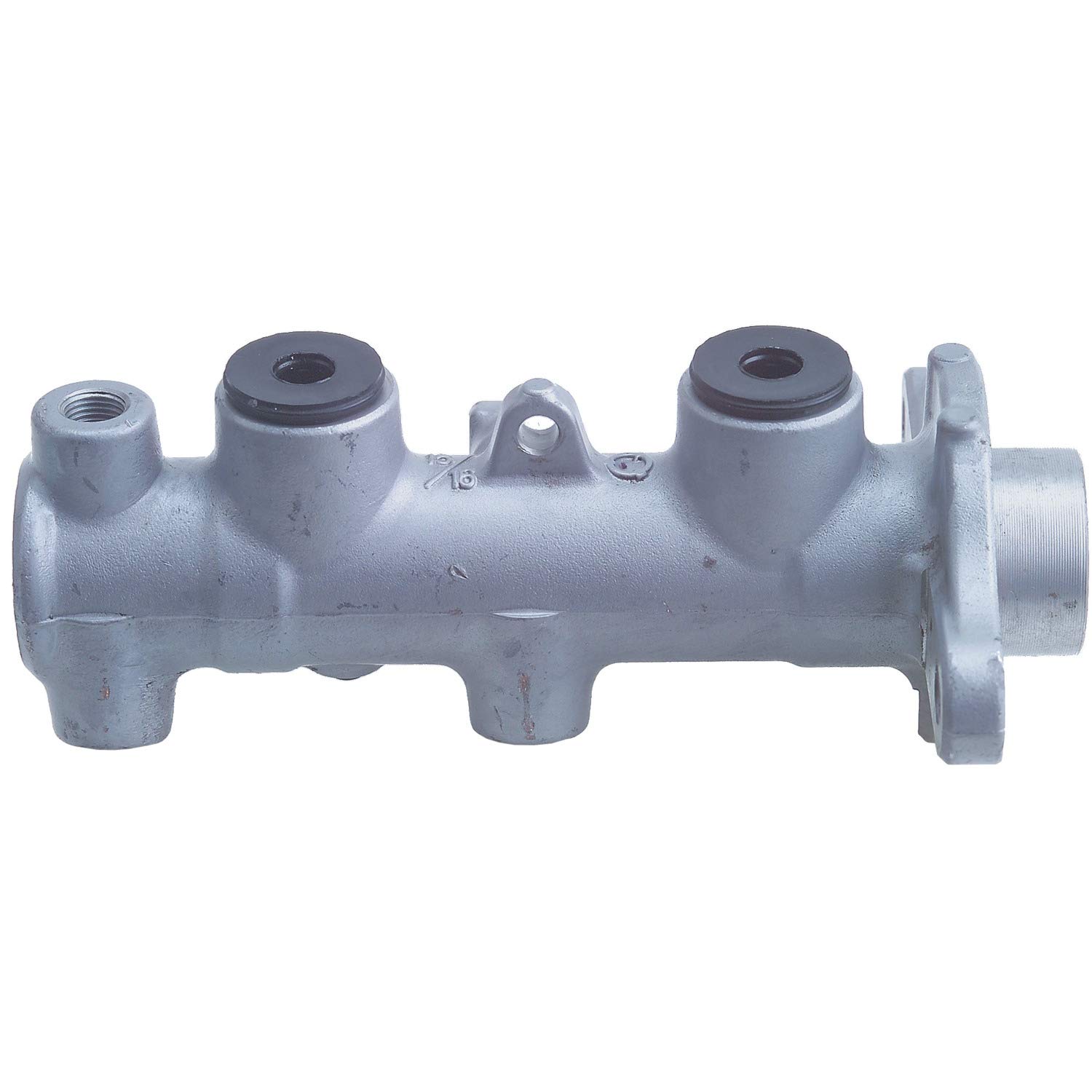
Figure 1: Front view of the Cardone Remanufactured Brake Master Cylinder 11-3009.
2. Setup and Installation
Warning: Brake system work requires specialized knowledge and tools. Improper installation can lead to brake failure, resulting in serious injury or death. It is highly recommended that installation be performed by a qualified automotive technician.
2.1 Pre-Installation Checks
- Verify that the new master cylinder matches the original unit in terms of mounting points, port sizes, and reservoir type.
- Inspect the brake lines for any signs of corrosion, damage, or leaks. Replace as necessary.
- Ensure you have the correct type of brake fluid specified for your vehicle.
2.2 Installation Steps (General Guidelines)
- Safety First: Disconnect the vehicle's battery. Place drain pans to catch any spilled brake fluid.
- Remove Old Unit: Disconnect brake lines from the old master cylinder. Remove mounting nuts and carefully detach the old unit from the brake booster.
- Bench Bleeding: Before installing the new master cylinder on the vehicle, it is crucial to bench bleed it. This involves filling the reservoir with brake fluid and using a special kit (often included) to remove air from the master cylinder's internal chambers. Follow the specific instructions provided with the bleed kit.
- Mount New Unit: Install the new master cylinder onto the brake booster, ensuring proper alignment. Secure with mounting nuts to the manufacturer's specified torque.
- Connect Brake Lines: Reconnect the brake lines to the master cylinder ports. Tighten fittings securely but do not overtighten.
- Fill Reservoir: Fill the master cylinder reservoir with fresh, clean brake fluid to the MAX line.
- System Bleeding: Perform a complete brake system bleed to remove all air from the brake lines and calipers/wheel cylinders. Start with the wheel furthest from the master cylinder and work your way closer. Refer to your vehicle's service manual for the correct bleeding sequence.
- Final Checks: Check for any fluid leaks around the master cylinder and brake line connections. Test the brake pedal for firmness and proper travel before driving the vehicle.

Figure 2: Rear view of the master cylinder, highlighting the brake line connection ports.
3. Operating Instructions
Once properly installed and the brake system is bled, the master cylinder operates as an integral part of your vehicle's hydraulic braking system. It converts the mechanical force from the brake pedal into hydraulic pressure, which is then transmitted through the brake lines to the calipers and wheel cylinders, engaging the brakes.
3.1 Normal Operation
- The brake pedal should feel firm and consistent when pressed.
- Braking should be smooth and effective, bringing the vehicle to a controlled stop.
- There should be no unusual noises or vibrations during braking.
3.2 Signs of Proper Function
- Consistent brake pedal feel.
- No noticeable drop in brake fluid level in the reservoir over time (unless brake pads are wearing).
- Absence of brake warning lights on the dashboard.
4. Maintenance
Regular maintenance of your vehicle's brake system, including the master cylinder, is crucial for safety and longevity.
4.1 Brake Fluid Level Check
- Periodically check the brake fluid level in the master cylinder reservoir. It should be between the MIN and MAX lines.
- If the fluid level is consistently low, it may indicate a leak in the system or worn brake pads. Investigate immediately.
- Only use the brake fluid type specified by your vehicle manufacturer. Mixing different types of brake fluid can cause damage.
4.2 Brake Fluid Condition
- Brake fluid absorbs moisture over time, which can lead to corrosion and reduced braking performance.
- Consult your vehicle's service manual for recommended brake fluid flush intervals.
4.3 Visual Inspection
- Inspect the master cylinder and surrounding brake lines for any signs of leaks, corrosion, or damage.
- Check the reservoir cap and seals for proper seating and integrity.
5. Troubleshooting
If you experience any issues with your vehicle's braking system, it is important to address them promptly. Below are common symptoms related to master cylinder issues and potential causes.
| Symptom | Possible Cause | Action |
|---|---|---|
| Spongy or soft brake pedal | Air in the brake lines, internal master cylinder leak, low brake fluid. | Bleed the brake system, inspect master cylinder for leaks, check fluid level. |
| Brake pedal slowly sinks to the floor | Internal master cylinder leak (fluid bypassing seals). | Master cylinder replacement may be necessary. |
| Brake fluid leaks around master cylinder | Loose brake line fittings, damaged seals, cracked reservoir. | Tighten fittings, inspect seals and reservoir, replace if damaged. |
| Brake warning light illuminated | Low brake fluid level, pressure differential switch activation (indicating a leak or imbalance). | Check fluid level, inspect entire brake system for leaks. |
| Hard brake pedal | Brake booster issue, obstructed brake lines. | Inspect brake booster and vacuum lines, check brake lines for kinks or blockages. |
If you are unable to diagnose or resolve a brake system issue, consult a qualified automotive technician immediately. Do not operate a vehicle with compromised brakes.
6. Product Specifications
- Brand: Cardone
- Manufacturer: Cardone A1
- Item Model Number: 11-3009
- Manufacturer Part Number: 11-3009
- Original Part Number (OE): BJ0S43400
- Product Dimensions: 28.27 x 9.22 x 9.22 cm (approximately 11.13 x 3.63 x 3.63 inches)
- Item Weight: 572 grams (approximately 1.26 lbs)
- ASIN: B000EQCHII
- Date First Available: October 2, 2012

Figure 3: Side view of the master cylinder, showing overall dimensions.
7. Warranty and Support
For specific warranty information regarding your Cardone Remanufactured Brake Master Cylinder 11-3009, please refer to the documentation included with your purchase or visit the official Cardone website. Warranty terms and conditions may vary.
If you require technical assistance or have questions not covered in this manual, please contact Cardone customer support through their official channels. Always provide your product model number (11-3009) and any relevant vehicle information when seeking support.