
SKF 17327
SKF Seal 17327 Product Manual
Model: 17327 | Brand: SKF
1. Product Overview
The SKF Seal 17327 is an aftermarket replacement part designed for specific automotive applications. This seal is engineered to provide a reliable barrier against fluid leakage and contamination, crucial for the proper functioning and longevity of the component it protects. It is compatible with various Ford models from 1985-2021 and Lincoln models from 1998-2008.
Key Features:
- Durable Construction: Manufactured with high-quality materials for long-lasting performance.
- Precision Fit: Designed to meet or exceed OEM specifications for a secure and effective seal.
- Leak Prevention: Effectively prevents the escape of lubricants and ingress of dirt and moisture.
- Wide Compatibility: Suitable for a range of Ford and Lincoln vehicle models.
2. What's in the Box
Each package of SKF Seal 17327 contains the following:
- 1 x SKF Seal 17327

Figure 1: Top view of the SKF Seal 17327, highlighting its circular design and internal components.
3. Installation Guide
The SKF Seal 17327 is an automotive replacement part that requires proper installation to ensure optimal performance and prevent damage. Installation typically involves replacing an existing worn or damaged seal within a specific automotive component, such as a transmission input shaft.
General Installation Considerations:
- Safety First: Always ensure the vehicle is safely supported and the area is clear before beginning any work. Disconnect the battery if necessary.
- Identify the Component: Locate the specific automotive component where the seal needs to be replaced (e.g., transmission, axle).
- Disassembly: Carefully disassemble the surrounding components to gain access to the old seal. This may involve draining fluids, removing covers, or detaching shafts.
- Remove Old Seal: Use appropriate tools to carefully pry out or extract the old seal without damaging the housing or shaft.
- Clean Surface: Thoroughly clean the sealing surface and shaft to remove any old sealant, dirt, or debris. A clean surface is critical for a proper seal.
- Lubricate New Seal: Lightly lubricate the new SKF Seal 17327 with the appropriate fluid (e.g., transmission fluid, gear oil) before installation. This helps prevent damage during installation and ensures initial sealing.
- Install New Seal: Carefully align the new seal and gently tap it into place using a seal driver or a suitable tool that applies even pressure around the seal's circumference. Ensure it is seated squarely and to the correct depth. Avoid hammering directly on the seal's lip.
- Reassembly: Reassemble all components in reverse order of disassembly. Ensure all fasteners are tightened to the manufacturer's specifications.
- Fluid Refill/Check: Refill any drained fluids to the correct level and check for leaks after initial operation.
Note: Due to the specialized nature of automotive repairs, it is highly recommended that installation be performed by a qualified mechanic or an individual with appropriate automotive repair experience and tools. Refer to your vehicle's specific service manual for detailed, model-specific instructions.
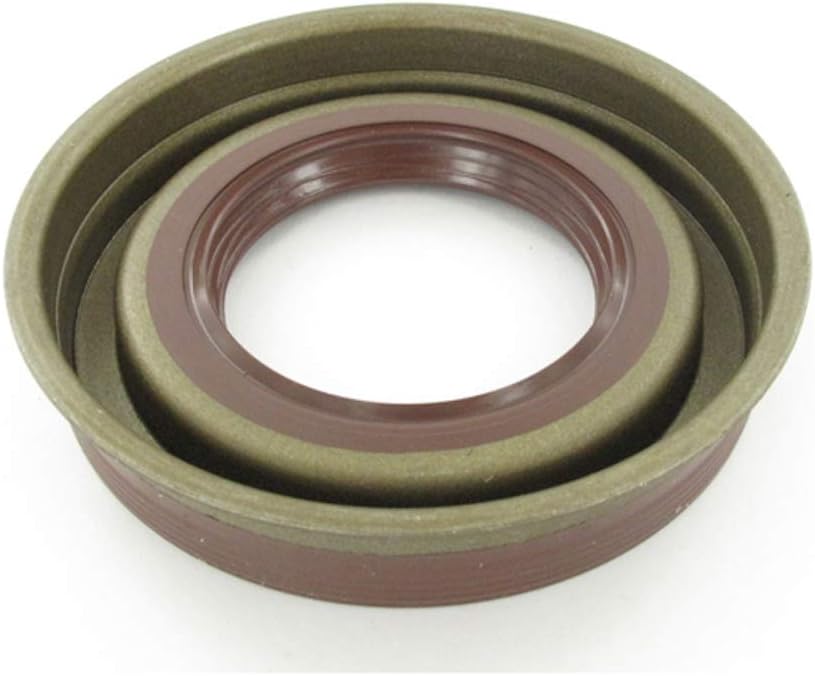
Figure 2: Angled view of the SKF Seal 17327, illustrating its design for effective sealing.
4. Function and Operation
The SKF Seal 17327 functions as a critical component in preventing the leakage of fluids (such as oil or grease) from a rotating or reciprocating shaft, while simultaneously preventing the ingress of contaminants like dirt, dust, and moisture into the system. Its primary role is to maintain the integrity of the lubrication system and protect internal components from environmental damage.
Once properly installed, the seal's lip maintains constant contact with the shaft, creating a dynamic barrier. The material and design of the seal are optimized for the specific operating conditions, including temperature, pressure, and the type of fluid it is designed to contain.

Figure 3: Side profile of the SKF Seal 17327, demonstrating its robust construction.
5. Maintenance
Seals like the SKF Seal 17327 are wear items and do not typically require routine maintenance themselves beyond proper installation. However, regular inspection of the surrounding components can help identify potential issues before they lead to seal failure.
Inspection Guidelines:
- Visual Checks: Periodically inspect the area around the seal for any signs of fluid leakage (oil, grease, transmission fluid).
- Contamination: Look for signs of dirt, dust, or other contaminants accumulating around the seal, which could indicate a compromised seal.
- Unusual Noises: While rare for a seal, unusual noises from the sealed component could indicate a related issue.
If any signs of leakage or damage are observed, the seal should be replaced promptly to prevent further damage to the component or system.
6. Troubleshooting
Most issues related to the SKF Seal 17327 will manifest as fluid leaks or contamination. Troubleshooting typically involves identifying the source of the leak and confirming the seal as the cause.
Common Issues and Solutions:
| Symptom | Possible Cause | Solution |
|---|---|---|
| Fluid Leakage around the seal area |
|
|
| Contaminants (dirt, water) inside the sealed component |
|
|
If troubleshooting steps do not resolve the issue, it is advisable to consult a professional automotive technician.
7. Specifications
| Attribute | Detail |
|---|---|
| Manufacturer | SKF USA, Inc. |
| Brand | SKF |
| Model | SKF Seal 17327 |
| Item Model Number | 17327 |
| Item Weight | 1.12 ounces |
| Product Dimensions | 3.63 x 3.63 x 0.63 inches |
| Country of Origin | Taiwan |
| Exterior | Machined |
| Manufacturer Part Number | 17327 |
| ASIN | B000EPT82W |
| First Available Date | January 1, 2006 |
8. Warranty and Support
For information regarding product warranty, technical support, or further inquiries about the SKF Seal 17327, please refer to the official SKF brand resources.
You can visit the official SKF Store for additional product information and support:
Ask a question about this manual
Ask about setup, troubleshooting, compatibility, parts, safety, or missing instructions. Manuals+ will review the question and use this page’s manual context to help answer it.