
RIDGID 40080
RIDGID 40080 21A Bench Yoke Vise Instruction Manual
Model: 40080 | Brand: RIDGID
Introduction
The RIDGID 40080 Bench Yoke Vise is designed to securely hold pipe and tubing for various applications. Constructed from strong, dependable iron with hardened alloy steel jaws, this vise ensures durability and long-lasting performance. It features a yoke-style design with a sturdy screw mechanism for clamping, along with an integrated pipe rest and bender for added stability and leverage. This manual provides essential information for the safe and effective use of your RIDGID 40080 Bench Yoke Vise.
Safety Information
Always prioritize safety when operating any tools. Read and understand all instructions before use. Failure to follow these guidelines may result in injury or damage to the tool.
- Wear appropriate personal protective equipment (PPE), including safety glasses, gloves, and sturdy footwear.
- Ensure the vise is securely mounted to a stable workbench or surface before use.
- Do not exceed the vise's stated capacity of 1/8-inch to 2-inch pipe.
- Keep hands and fingers clear of the jaws and clamping mechanism during operation.
- Inspect the vise for any damage or wear before each use. Do not use if damaged.
- Keep the work area clean and well-lit.
- Do not modify the vise or use it for purposes other than its intended design.
Components
The RIDGID 40080 Bench Yoke Vise consists of several key components:
- Yoke: The main body of the vise that houses the clamping mechanism.
- Base: The sturdy foundation for mounting the vise.
- Hardened Alloy Steel Jaws: Designed for secure gripping of pipes and tubing.
- Clamping Screw: Used to tighten and loosen the jaws.
- Handle: Provides leverage for operating the clamping screw.
- Pipe Rest: Supports the pipe during clamping and working.
- Bender: Integrated feature for bending small diameter pipes.

Figure 1: Overview of the RIDGID 40080 Bench Yoke Vise.
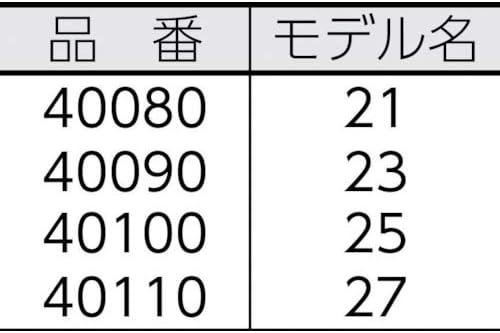
Figure 2: Top view of the vise base, showing mounting holes and jaw structure.
Setup
Proper setup is crucial for the stability and safe operation of the vise.
- Choose a Mounting Location: Select a sturdy workbench or surface that can support the weight of the vise and the forces applied during use.
- Position the Vise: Place the vise on the chosen surface, aligning the mounting holes in the base with your desired attachment points.
- Secure Mounting: Use appropriate bolts, nuts, and washers (not included) to firmly secure the vise to the workbench. Ensure all fasteners are tightened securely to prevent movement during operation.
- Clear Work Area: Ensure the area around the vise is clear of obstructions and debris.
Operating Instructions
Follow these steps to effectively use your RIDGID 40080 Bench Yoke Vise:
- Open the Jaws: Turn the handle counter-clockwise to open the vise jaws sufficiently to accommodate the pipe or tubing.
- Position the Pipe: Place the pipe or tubing into the vise jaws. For longer pieces, utilize the integrated pipe rest for additional support and stability.
- Secure the Pipe: Turn the handle clockwise to close the jaws and firmly clamp the pipe. Ensure the pipe is held securely without over-tightening, which could damage the pipe or the vise. The hardened alloy steel jaws are designed to provide a strong grip.
- Perform Work: Once the pipe is securely clamped, you can perform tasks such as cutting, threading, or bending.
- Using the Bender: For small diameter pipes, the integrated bender can be used to create bends. Carefully position the pipe in the bender and apply controlled force.
- Release the Pipe: After completing your work, turn the handle counter-clockwise to release the clamping pressure and remove the pipe.

Figure 3: The vise securely holding a pipe for work.
Maintenance
Regular maintenance will extend the life and performance of your vise.
- Cleaning: After each use, wipe down the vise to remove any dirt, metal shavings, or debris. Use a stiff brush to clean the jaw teeth.
- Lubrication: Periodically apply a light coat of machine oil to the clamping screw and other moving parts to ensure smooth operation and prevent rust.
- Inspection: Regularly inspect the jaws for wear or damage. Check all fasteners to ensure they remain tight.
- Storage: Store the vise in a clean, dry environment to prevent corrosion.
Troubleshooting
Common issues and their potential solutions:
| Problem | Possible Cause | Solution |
|---|---|---|
| Pipe slips in jaws | Jaws are dirty or worn; insufficient clamping force. | Clean jaws thoroughly. Apply more clamping force. If jaws are severely worn, consider replacement (contact RIDGID support). |
| Clamping screw is stiff | Lack of lubrication; dirt or debris in threads. | Clean threads and apply machine oil to the screw. |
| Vise moves during use | Vise not securely mounted. | Check and tighten all mounting bolts. Ensure the workbench is stable. |
Specifications
| Feature | Detail |
|---|---|
| Model Number | 40080 |
| Pipe Capacity | 1/8-inch to 2-inch (3 mm to 50 mm) |
| Material | Alloy Steel (Jaws), Iron (Yoke and Base) |
| Item Weight | 7.95 Pounds |
| Product Dimensions (L x W x H) | 7 x 8.8 x 4 inches |
| Color | Orange |
| Included Components | Unit, Instruction Guide |

Figure 4: Visual representation of the vise's dimensions relative to a person.
Warranty and Support
RIDGID provides a lifetime warranty against defects in material or workmanship for the normal life of the tool. This warranty ensures that your RIDGID 40080 Bench Yoke Vise is built to the highest standards of quality, strength, and endurance.
For warranty claims, technical support, or replacement parts, please visit the official RIDGID website or contact their customer service directly. Refer to the contact information provided with your product packaging or on the official RIDGID website for the most current support details.
Ask a question about this manual
Ask about setup, troubleshooting, compatibility, parts, safety, or missing instructions. Manuals+ will review the question and use this page’s manual context to help answer it.