
1. Introduction
This instruction manual provides essential information for the proper handling, installation, and maintenance of the Continental 62118 Molded Radiator Hose. Adhering to these guidelines will help ensure the longevity and optimal performance of the product within your vehicle's cooling system. Please read this manual thoroughly before installation or use.
2. Product Overview
The Continental 62118 Molded Radiator Hose is engineered to facilitate the transfer of glycol-based coolants within a vehicle's coolant system. Its molded design ensures full flow through tight bends, simplifies application, and reduces stress on radiator connections. This hose is designed to meet or exceed SAE 20R4EC Class D1 specifications and many Original Equipment (OE) specifications, offering resistance to Electrochemical Degradation (ECR).
Key Features:
- Designed for optimal fit and performance, matching OE configurations.
- Constructed with EPDM tube and cover, reinforced with synthetic knit for durability.
- Compatible with most coolants, including ethylene glycol- and propylene glycol-based coolants, and organic acid modified, long-life coolants.
- Maintains full flow and features high heat resistance.
- Temperature range: -40°F to 275°F (-40°C to 135°C).
- Highly durable and ensures maximum performance.
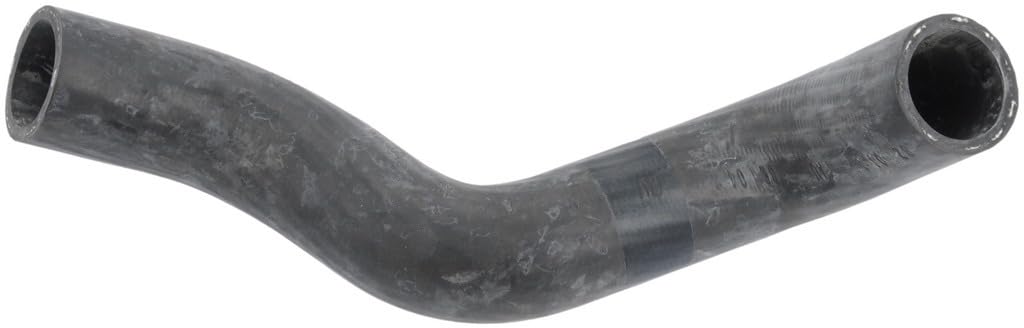 Image 1: Continental 62118 Molded Radiator Hose. This image displays the Continental 62118 Molded Radiator Hose. It is a dark gray, flexible hose with a pre-formed, curved shape designed for specific vehicle applications. The ends are open, revealing the interior diameter.
3. Safety Information
Always prioritize safety when working on a vehicle's cooling system. Failure to follow safety precautions can result in personal injury or damage to the vehicle.
- Ensure the engine is cool before attempting any work on the cooling system to prevent burns from hot coolant or steam.
- Wear appropriate personal protective equipment (PPE), including safety glasses and gloves.
- Coolant is toxic. Avoid skin contact and ingestion. Dispose of used coolant responsibly according to local regulations.
- Refer to your vehicle's service manual for specific instructions and warnings related to your vehicle model.
- If you are unsure about any step, consult a qualified automotive technician.
4. Installation
Proper installation is crucial for the performance and longevity of the radiator hose. It is recommended that installation be performed by a qualified technician.
- Preparation: Ensure the engine is completely cool. Drain the cooling system according to your vehicle's service manual.
- Removal of Old Hose: Loosen the clamps securing the old radiator hose. Carefully remove the old hose, being mindful of any remaining coolant.
- Inspection: Inspect the connection points on the radiator and engine for corrosion, damage, or debris. Clean as necessary.
- Installation of New Hose: Position the Continental 62118 Molded Radiator Hose onto the connection points. Ensure the hose is fully seated and aligned correctly to prevent kinks or stress.
- Secure Clamps: Install new hose clamps (recommended) or reuse existing ones if they are in good condition. Tighten the clamps securely, but do not overtighten, as this can damage the hose.
- Refill Coolant: Refill the cooling system with the appropriate coolant type and quantity as specified by your vehicle manufacturer.
- Bleed Air: Bleed any air from the cooling system following your vehicle's specific procedure.
- Test: Start the engine and allow it to reach operating temperature. Check for leaks around the hose connections. Monitor coolant levels and temperature.
5. Operating Principles
The Continental 62118 Molded Radiator Hose is an integral component of your vehicle's cooling system. Its primary function is to transport hot coolant from the engine to the radiator for cooling, and then return the cooled fluid to the engine. The molded shape is critical for maintaining optimal flow rates and preventing hose collapse or kinking, especially during temperature fluctuations and pressure changes within the system. The EPDM material provides flexibility, heat resistance, and chemical compatibility with various coolants, ensuring reliable operation under diverse conditions.
6. Maintenance
Regular inspection of your radiator hoses is essential for preventing cooling system failures.
- Visual Inspection: Periodically check the hose for cracks, bulges, hardening, softening, or signs of leakage. Pay close attention to the areas near the clamps.
- Squeeze Test: With the engine cool, squeeze the hose. It should feel firm yet pliable. A hose that is excessively hard, brittle, or mushy indicates degradation and should be replaced.
- Clamp Inspection: Ensure hose clamps are secure and free from corrosion. Replace any damaged or corroded clamps.
- Coolant Level: Regularly check your coolant level and ensure it is within the recommended range. Low coolant levels can indicate a leak.
It is generally recommended to replace radiator hoses every 4-5 years or as part of routine cooling system maintenance, even if they appear to be in good condition, as internal degradation may not be visible.
7. Troubleshooting
If you experience issues with your cooling system, consider the following common hose-related problems:
- Coolant Leaks: Check hose connections for tightness and the hose body for cracks or punctures. Leaks often appear as colored stains (e.g., green, orange, pink) around the hose or on the ground.
- Hose Collapse: If a hose collapses when the engine cools, it may indicate a faulty radiator cap or a blockage in the cooling system.
- Hose Swelling/Bulging: This can be a sign of internal damage or excessive pressure, indicating the hose is failing and needs immediate replacement.
- Overheating: While many factors can cause overheating, a failing radiator hose (e.g., collapsed, leaking) can restrict coolant flow and contribute to the problem.
If troubleshooting does not resolve the issue, or if you suspect a more complex problem, consult a professional automotive technician.
8. Specifications
| Attribute | Detail |
|---|---|
| Brand | Continental |
| Model Number | 62118 |
| Product Model Name | Molded Radiator Hose |
| Manufacturer | Continental ContiTech |
| Material | EPDM |
| Item Weight | 10.4 ounces |
| Product Dimensions | 19.09 x 12 x 4 inches |
| Temperature Range | -40°F to 275°F (-40°C to 135°C) |
| ID Range | 1-inch to 3-inches |
| SAE Specification | SAE 20R4EC Class D1 |
9. Warranty Information
For specific warranty details regarding the Continental 62118 Molded Radiator Hose, please refer to the official warranty documentation provided by Continental or the authorized seller at the time of purchase. Warranty terms typically cover manufacturing defects under normal use conditions. Keep your proof of purchase for any warranty claims.
10. Support
If you require further assistance, have questions about installation, or need to report a product issue, please contact Continental customer support or the retailer from whom the product was purchased.
You can visit the official Continental store for more information: Continental Store on Amazon