1. Product Overview
The Continental 60965 Molded Radiator Hose is engineered for efficient transfer of glycol-based coolants within a vehicle's cooling system. Its molded design ensures optimal flow through bends, simplifies installation, and reduces stress on radiator connections. This hose features an EPDM tube and cover with synthetic knit reinforcement, making it compatible with various coolants, including ethylene glycol- and propylene glycol-based coolants, as well as organic acid modified, long-life coolants. It meets or exceeds SAE 20R4EC Class D1 specifications and is resistant to Electrochemical Degradation (ECR).

Image 1.1: The Continental 60965 Molded Radiator Hose, showcasing its curved design.
2. Safety Information
Always prioritize safety when working on a vehicle's cooling system. Failure to follow safety precautions can result in serious injury or damage to the vehicle.
- Ensure the engine is completely cool before attempting any work on the cooling system. Hot coolant and engine components can cause severe burns.
- Wear appropriate personal protective equipment (PPE), including safety glasses and gloves, to protect against coolant exposure and sharp edges.
- Coolant is toxic. Avoid ingestion and contact with skin. Dispose of used coolant responsibly according to local regulations.
- Keep children and pets away from the work area.
- Refer to your vehicle's service manual for specific instructions and torque specifications.
3. What's in the Box
The package for the Continental 60965 Molded Radiator Hose typically includes:
- 1x Continental 60965 Molded Radiator Hose
No additional components such as clamps are included and must be acquired separately if needed.
4. Installation Instructions
This section provides general guidance for replacing a radiator hose. Always consult your vehicle's specific service manual for detailed instructions.
4.1. Preparation
- Park the vehicle on a level surface and engage the parking brake.
- Allow the engine to cool completely. This may take several hours.
- Place a drain pan under the radiator drain cock.
- Open the radiator drain cock and remove the radiator cap to allow the coolant to drain.
4.2. Removal of Old Hose
- Once the coolant has drained, use a screwdriver or pliers to loosen the clamps securing the old radiator hose to the radiator and engine connections.
- Carefully twist and pull the old hose off the connections. Be prepared for any residual coolant to spill.
- Inspect the connections on the radiator and engine for any corrosion, debris, or damage. Clean them thoroughly if necessary.
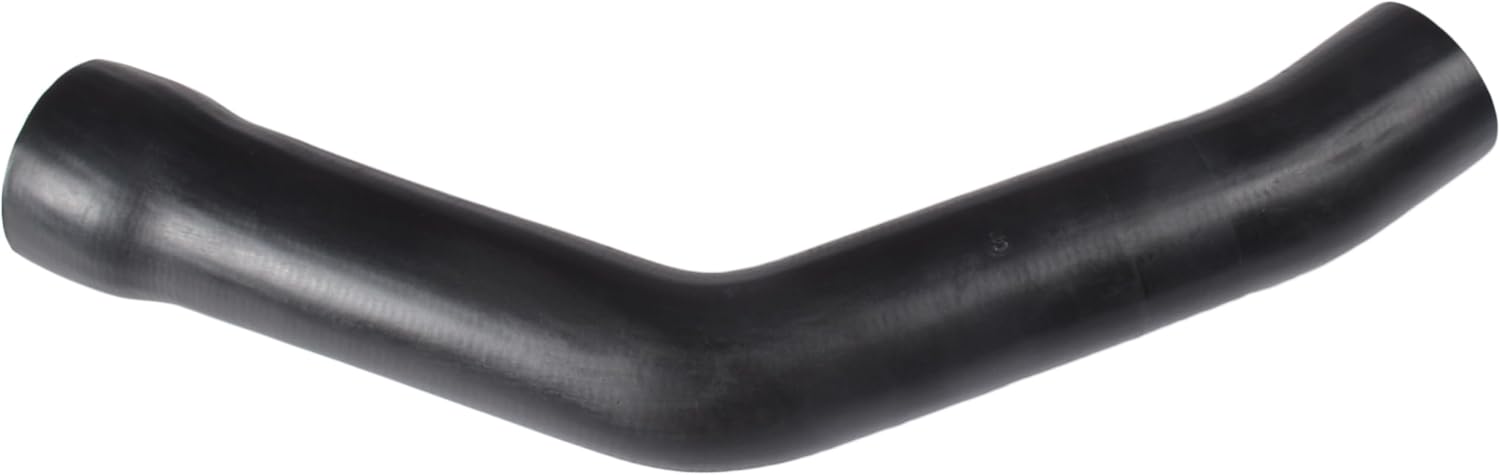
Image 4.1: Another view of the Continental 60965 hose, illustrating its molded shape for precise fitment.
4.3. Installation of New Hose
- Slide new hose clamps onto the new Continental 60965 radiator hose.
- Carefully slide the new hose onto the radiator and engine connections. The molded design ensures a proper fit.
- Position the hose clamps over the connections and tighten them securely. Ensure they are tight enough to prevent leaks but do not overtighten, which can damage the hose.
4.4. Refilling and Inspection
- Close the radiator drain cock.
- Refill the cooling system with the appropriate type and amount of coolant as specified by your vehicle manufacturer.
- Start the engine and allow it to reach operating temperature with the heater on full blast to help bleed air from the system. Monitor the coolant level and top off as needed.
- Inspect all connections for any signs of leaks.
- Once the engine has cooled again, check the coolant level and top off if necessary.
5. Operating Considerations
The Continental 60965 Molded Radiator Hose is designed for specific applications within the cooling system.
- Coolant Compatibility: This hose is compatible with most glycol-based coolants, including ethylene glycol- and propylene glycol-based coolants, as well as organic acid modified, long-life coolants.
- Temperature Range: The hose is designed to operate effectively within a temperature range of -40°F to 275°F (-40°C to 135°C).
- Application Restriction: This hose is specifically for coolant transfer. It is not for use in fuel or oil transfer applications. Using it for unintended purposes can lead to system failure and potential hazards.
6. Maintenance
Regular inspection and maintenance of your cooling system components, including the radiator hose, are crucial for vehicle longevity and performance.
- Visual Inspection: Periodically inspect the hose for signs of wear, such as cracks, bulges, hardening, softening, or fraying. Replace the hose immediately if any of these conditions are observed.
- Clamp Tightness: Check the hose clamps for proper tightness. Loose clamps can lead to leaks, while overtightened clamps can damage the hose.
- Coolant Level and Condition: Regularly check your coolant level and ensure it is clean and free of contaminants. Follow your vehicle manufacturer's recommendations for coolant flushes and replacements.
- Electrochemical Degradation (ECR): While this hose is resistant to ECR, it is still good practice to ensure your cooling system is properly maintained to prevent conditions that accelerate degradation of any component.
7. Troubleshooting
If you experience issues with your cooling system after installing the Continental 60965 radiator hose, consider the following:
- Coolant Leaks:
- Check hose clamps for proper tightness and positioning.
- Inspect the hose for any cuts or punctures that may have occurred during installation or from external factors.
- Ensure the mating surfaces on the radiator and engine are clean and free of debris.
- Hose Collapse or Swelling:
- A collapsing hose (sucking flat) when the engine cools may indicate a faulty radiator cap or a blockage in the overflow system.
- A swelling hose may indicate excessive pressure in the cooling system, possibly due to a faulty radiator cap, thermostat, or head gasket issue.
- Engine Overheating:
- Ensure the cooling system is properly bled of air. Air pockets can significantly reduce cooling efficiency.
- Verify that the correct amount and type of coolant has been used.
- Check other cooling system components such as the thermostat, water pump, and radiator for proper function.
8. Specifications
| Model Number | 60965 |
| Brand | Continental |
| Material | EPDM (Ethylene Propylene Diene Monomer) |
| Inner Diameter (ID) Range | 1 inch to 3 inches (includes intersect hose configurations) |
| Temperature Range | -40°F to 275°F (-40°C to 135°C) |
| Compliance | Meets or exceeds SAE 20R4EC Class D1 specifications |
| Resistance | Electrochemical Degradation (ECR) |
| Approximate Product Dimensions | 21.73 x 12 x 4 inches (packaging dimensions) |
| Approximate Item Weight | 0.8 Pounds / 12.8 ounces |
9. Warranty and Support
For specific warranty information regarding your Continental 60965 Molded Radiator Hose, please refer to the documentation provided with your purchase or contact your retailer.
For further technical assistance or product inquiries, you may visit the official Continental website or contact their customer support services.
Visit the Continental Store for more information on Continental products.


