
1. Introduction
The Continental 15466 Automotive V-Belt is engineered for reliable power transmission in automotive applications. Manufactured with advanced EPDM rubber compounds, this V-belt offers superior resistance to heat and abrasion, ensuring extended service life even under demanding engine conditions. Its design incorporates a polyester tensile member for dimensional stability and high-traction rubber edges for optimal contact with SAE pulleys, facilitating efficient energy transfer.
This manual provides essential information regarding the features, installation, operation, maintenance, and specifications of your Continental 15466 Automotive V-Belt.
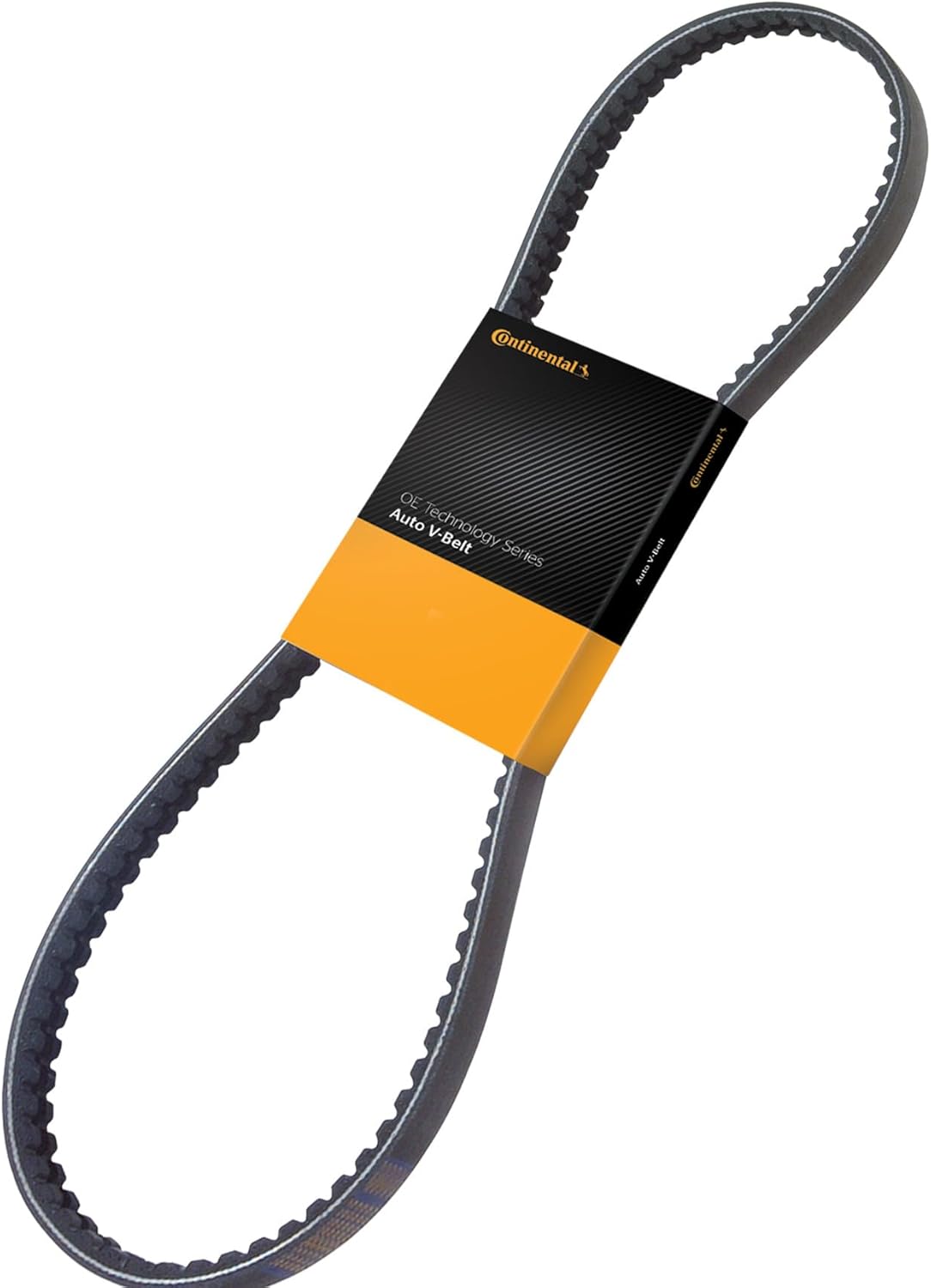
Figure 1.1: Continental 15466 Automotive V-Belt, showing the product in its packaging.
2. Product Features
- Advanced Material Composition: Manufactured with the latest EPDM rubber compounds, providing higher heat and abrasion resistance for an exceptional belt life.
- Dimensional Stability: A polyester tensile member improves dimensional stability, controlling elongation and limiting belt slip.
- Optimized Power Transfer: High-traction rubber edges match perfectly to automotive SAE pulleys, ensuring positive, no-slip contact with pulley grooves for reliable energy transfer.
- Enhanced Flexibility: Fiber-reinforced, rubber helical cogs improve flexibility, reducing cracking and fatigue in the cushion section of the belt.
- Consistent Dimensions: Manufactured to consistent dimensions with belt lengths within matching tolerances, part of the Matchmaker System for reliable matched sets on multi-belt drives.
- SAE Compliance: Designed to perform in pulleys meeting SAE J636 and SAE J1459 specifications.
- Durability: Low elongation properties assure uniform performance over the life of the belt.
- Precision Engineering: Precision engineered and tested to provide high strength with shear resistance.
3. Installation Guidelines
Proper installation is crucial for the optimal performance and longevity of your Continental V-Belt. While the belt is designed for easy installation, it is recommended to consult your vehicle's service manual for specific instructions related to your vehicle model. Professional installation by a qualified mechanic is always advised.
General Steps:
- Ensure the engine is off and cool. Disconnect the battery for safety.
- Locate the old V-belt and identify the routing path. It is often helpful to draw a diagram or take a photo.
- Loosen any tensioners or idler pulleys to remove tension from the old belt.
- Carefully remove the old belt from all pulleys.
- Inspect all pulleys for wear, damage, or misalignment. Clean any debris from the pulley grooves.
- Route the new Continental V-Belt according to the vehicle's specified path, ensuring it sits correctly in all pulley grooves.
- Apply the correct tension to the belt using the tensioner mechanism. Refer to your vehicle's manual for the precise tension specifications.
- Reconnect the battery and start the engine. Observe the belt for proper operation, ensuring no slipping or unusual noises.

Figure 3.1: Close-up view of the Continental V-Belt, illustrating its construction and flexibility.
4. Operating Principles
The Continental 15466 Automotive V-Belt operates by transferring power from the engine's crankshaft to various peripheral components such as the alternator, power steering pump, air conditioning compressor, and water pump. The V-shape of the belt wedges into the corresponding V-grooves of the pulleys, increasing the contact area and friction, which allows for efficient power transmission without slippage.
The fiber-reinforced, rubber helical cogs on the belt's underside enhance its flexibility, allowing it to bend around smaller pulleys without cracking or premature fatigue. This design ensures consistent performance and reliable energy transfer throughout its operational life.

Figure 4.1: Detailed view of the cogged underside of the V-belt, designed for improved flexibility and heat dissipation.
5. Maintenance and Care
Regular inspection and proper maintenance are key to maximizing the lifespan and performance of your V-belt. Adhere to your vehicle manufacturer's recommended maintenance schedule for belt inspection and replacement.
Inspection Checklist:
- Visual Inspection: Regularly check the belt for signs of wear, such as cracks, fraying, glazing (shiny appearance), or missing chunks of rubber.
- Tension Check: Ensure the belt has the correct tension. A belt that is too loose can slip, causing squealing and reduced performance. A belt that is too tight can put excessive strain on bearings.
- Pulley Alignment: Verify that all pulleys are properly aligned. Misaligned pulleys can cause uneven belt wear and premature failure.
- Contamination: Check for oil, grease, or coolant contamination on the belt, which can degrade the rubber and lead to slippage.
- Noise: Listen for unusual noises like squealing, chirping, or grinding, which may indicate belt or pulley issues.
If any significant wear or damage is observed, or if the belt is making excessive noise, it should be replaced promptly to prevent potential system failures.

Figure 5.1: Close-up view of the flat side of the V-belt, showing the durable surface designed for consistent contact.
6. Troubleshooting Common Issues
| Symptom | Possible Cause | Solution |
|---|---|---|
| Squealing Noise | Loose belt tension, worn belt, misaligned pulleys, contaminated belt surface. | Check and adjust belt tension. Inspect belt for wear and replace if necessary. Verify pulley alignment. Clean belt and pulleys if contaminated. |
| Chirping Noise | Minor misalignment, worn pulley, slight contamination. | Check pulley alignment. Inspect pulleys for wear. Clean belt and pulleys. |
| Belt Slippage | Insufficient tension, worn belt, oil/grease contamination. | Adjust tension to specification. Replace worn belt. Clean any contaminants from belt and pulleys. |
| Cracked or Frayed Belt | Age, excessive heat, improper tension, worn pulleys. | Replace the belt immediately. Inspect pulleys and tensioner for issues. |
| Glazed (Shiny) Belt Surface | Slippage due to low tension or worn pulleys. | Adjust tension. Inspect and replace worn pulleys. Replace belt if glazing is severe. |
If troubleshooting steps do not resolve the issue, or if you are unsure about performing repairs, it is recommended to seek assistance from a certified automotive technician.
7. Technical Specifications
| Specification | Detail |
|---|---|
| Brand | Continental |
| Manufacturer | Continental ContiTech |
| Model Number | 15466 |
| Product Type | Automotive V-Belt |
| Material | Polyester, EPDM Rubber |
| Item Weight | 2.4 ounces |
| Product Dimensions | 23 x 5.5 x 0.5 inches |
| Belt Style | V Belt |
| Compatible Devices | Car (Automotive applications) |
| SAE Compliance | Meets SAE J636 and SAE J1459 specifications |
8. Warranty and Support
For information regarding the warranty of your Continental 15466 Automotive V-Belt, please refer to the warranty documentation provided with your purchase or visit the official Continental website. Warranty terms and conditions may vary.
If you require technical assistance, have questions about installation, or need to report an issue, please contact Continental customer support or the authorized seller from whom you purchased the product. You can often find contact information on the product packaging or the brand's official website.
Visit the official Continental Store for more information and product resources: Continental Store on Amazon

