
Continental 10376
Continental 10376 Automotive V-Belt User Manual
Reliable Power Transfer for Your Vehicle
1. Product Overview
The Continental Elite Automotive V-belt, model 10376, is engineered with advanced EPDM rubber compounds to deliver superior heat and abrasion resistance, even in demanding under-hood environments. This construction contributes to an extended service life and enhanced wear resistance. A polyester tensile member is integrated to improve dimensional stability, effectively controlling elongation and minimizing belt slip. The belt's high-traction rubber edges are precisely designed to interface with automotive SAE pulleys, ensuring positive, slip-free contact for efficient energy transfer. Furthermore, fiber-reinforced, rubber helical cogs enhance flexibility, reducing the likelihood of cracking and fatigue within the belt's cushion section. Manufactured to consistent dimensions and within matching tolerances, this V-belt is part of the Matchmaker System, allowing for its use as a matched set in multi-belt drive systems. It is designed to perform optimally in pulleys that meet SAE J636 and SAE J1459 standards.
Key Features:
- Provides high strength with shear resistance.
- Designed for easy installation.
- Meets S.A.E. specifications for automotive belts.
- Constructed from quality certified material.
- Precision engineered and rigorously tested for reliability.
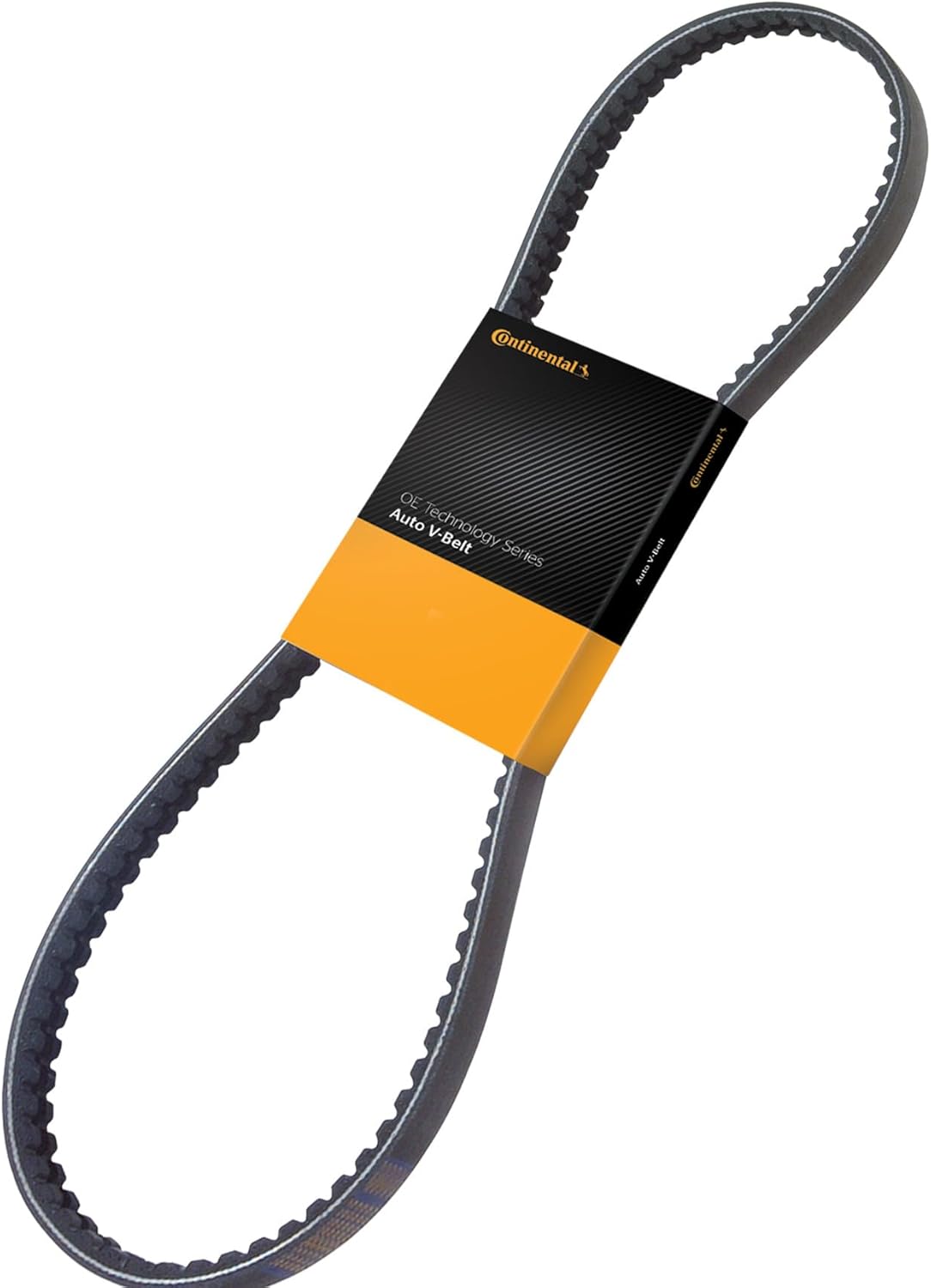
Figure 1: The Continental 10376 Automotive V-Belt, showcasing its overall design and packaging.
2. Installation Guide
Proper installation is crucial for the longevity and performance of your Continental V-belt. Always refer to your vehicle's service manual for specific instructions and safety precautions.
General Installation Steps:
- Safety First: Ensure the vehicle's engine is off and cool. Disconnect the battery's negative terminal to prevent accidental starting.
- Identify Belt Routing: Before removing the old belt, make a diagram or take a photo of its routing around all pulleys.
- Release Tension: Locate the tensioner pulley. Use an appropriate wrench or tool to release the tension on the old belt.
- Remove Old Belt: Once tension is released, carefully slide the old belt off the pulleys. Inspect the old belt for signs of wear or damage that might indicate underlying issues.
- Inspect Pulleys: Check all pulleys for wear, damage, or excessive play. Ensure they spin freely and are clean.
- Route New Belt: Carefully route the new Continental V-belt around all pulleys according to your diagram or photo. Ensure the belt is seated correctly in all pulley grooves.
- Apply Tension: Re-engage the tensioner pulley to apply proper tension to the new belt. Verify the tension is correct as per your vehicle's specifications.
- Final Check: Double-check that the belt is correctly seated on all pulleys and that there are no twists or kinks. Reconnect the battery.
- Test Run: Start the engine and observe the belt's operation. Listen for any unusual noises and check for proper alignment.

Figure 2: A close-up view of the V-belt's side profile, illustrating how it seats within a pulley groove.
3. Operation and Function
The Continental 10376 Automotive V-Belt is a critical component in your vehicle's accessory drive system. Its primary function is to transfer power from the engine's crankshaft to various peripheral components, such as the alternator, power steering pump, air conditioning compressor, and water pump. The V-shape of the belt, combined with the corresponding V-grooves in the pulleys, creates a wedging action that increases friction and allows for efficient power transmission with minimal slippage. This design ensures that all essential accessories receive the necessary rotational force to operate correctly, contributing to the overall functionality and performance of your vehicle.
4. Maintenance and Care
Regular inspection and proper maintenance will extend the life of your Continental V-belt and prevent unexpected failures.
Recommended Maintenance Practices:
- Visual Inspection: Periodically inspect the belt for signs of wear, such as cracks, fraying, glazing, or missing chunks. Pay close attention to the ribbed (cogged) side and the smooth back side.
- Tension Check: Ensure the belt has proper tension. A belt that is too loose can slip, causing squealing and reduced accessory performance. A belt that is too tight can put excessive strain on bearings and lead to premature wear. Refer to your vehicle's manual for correct tension specifications.
- Contamination: Check for oil, grease, or coolant contamination on the belt surface. These substances can degrade the belt material and cause slippage. Clean any contaminants immediately.
- Pulley Alignment: Verify that all pulleys are properly aligned. Misalignment can cause uneven belt wear and noise.
- Replacement: V-belts typically have a recommended replacement interval, often based on mileage or age. Consult your vehicle's service schedule. Replace the belt immediately if significant wear or damage is observed, regardless of mileage.

Figure 3: Detailed view of the ribbed (cogged) side of the V-belt, important for inspecting wear patterns and cracks.
5. Troubleshooting Common Issues
If you experience issues with your V-belt, the following guide may help identify the cause.
Common Symptoms and Solutions:
- Squealing Noise:
Possible Causes: Loose belt tension, worn belt, misaligned pulleys, or contamination (oil/coolant).
Solution: Check and adjust tension. Inspect belt for wear and replace if necessary. Verify pulley alignment. Clean any contaminants from the belt and pulleys. - Belt Slippage:
Possible Causes: Insufficient tension, worn belt, glazed belt surface, or contamination.
Solution: Adjust tension. Replace worn or glazed belts. Clean contaminants. - Cracking or Fraying:
Possible Causes: Age, excessive heat, improper tension (too tight or too loose), or pulley issues.
Solution: Replace the belt. Inspect pulleys for sharp edges or damage. Ensure proper tension. - Belt Chirping/Ticking:
Possible Causes: Minor misalignment, worn tensioner, or worn idler pulley.
Solution: Check pulley alignment. Inspect and replace tensioner or idler pulley if worn. - Accessory Malfunction (e.g., weak power steering, dim lights):
Possible Causes: Belt slippage due to low tension or severe wear.
Solution: Check belt tension and condition. Replace belt if worn.

Figure 4: Detailed view of the smooth back side of the V-belt, useful for identifying cracks or glazing.
6. Technical Specifications
| Specification | Detail |
|---|---|
| Manufacturer | Continental ContiTech |
| Brand | Continental |
| Model | Continental 10376 Automotive V-Belt |
| Item Weight | 0.8 ounces |
| Product Dimensions | 23 x 5.5 x 0.5 inches |
| Item Model Number | 10376 |
| Exterior | Polished |
| Manufacturer Part Number | 10376 |
| Material | Polyester, Rubber |
| Belt Style | V Belt |
| Compatible Devices | Car |
| Date First Available | October 10, 2007 |
7. What's Included
The product package for the Continental 10376 Automotive V-Belt typically includes the following item:
- Continental 10376 Automotive V-Belt
8. Warranty and Support
Continental products are manufactured to high standards and are typically backed by a manufacturer's warranty against defects in materials and workmanship. For specific warranty details, including coverage period and terms, please refer to the documentation provided with your purchase or visit the official Continental website.
For technical support, product inquiries, or warranty claims, please contact Continental directly through their official channels. You can often find support information, FAQs, and contact details on the Continental Store on Amazon or their corporate website.
Related documents10376


Ask a question about this manual
Ask about setup, troubleshooting, compatibility, parts, safety, or missing instructions. Manuals+ will review the question and use this page’s manual context to help answer it.