
Continental 62193
Continental 62193 Molded Radiator Hose Instruction Manual
Model: 62193
1. Introduction
The Continental 62193 Molded Radiator Hose is engineered to facilitate the transfer of glycol-based coolants within your vehicle's cooling system. This hose is specifically molded to ensure full flow through tight bends, ease of application, and to alleviate stress on radiator connections. It is a critical component for maintaining optimal engine temperature and overall cooling system efficiency.
This manual provides essential information regarding the product's features, installation guidelines, maintenance recommendations, and specifications to ensure proper function and longevity.
2. Safety Information
Always prioritize safety when working on your vehicle's cooling system. Failure to follow safety precautions can result in serious injury or damage to the vehicle.
- Engine Off and Cool: Ensure the engine is completely off and has cooled down before attempting any work on the cooling system. Hot coolant and engine components can cause severe burns.
- Personal Protective Equipment: Wear appropriate personal protective equipment, including safety glasses and gloves, to protect against splashes and sharp edges.
- Coolant Handling: Coolant is toxic. Handle with care and dispose of used coolant responsibly according to local regulations. Avoid contact with skin and eyes.
- Hose Application: This hose is designed for glycol-based coolants. Do not use this hose for fuel or oil transfer applications.
- Vehicle Support: If lifting the vehicle, ensure it is securely supported with jack stands.
3. Product Overview
The Continental 62193 is a molded radiator hose crafted from EPDM (Ethylene Propylene Diene Monomer) rubber with synthetic knit reinforcement. This construction provides durability and compatibility with various coolants, including ethylene glycol- and propylene glycol-based coolants, as well as organic acid modified, long-life coolants. It meets or exceeds SAE 20R4EC Class D1 specifications and many Original Equipment (OE) specifications, offering resistance to Electrochemical Degradation (ECR).
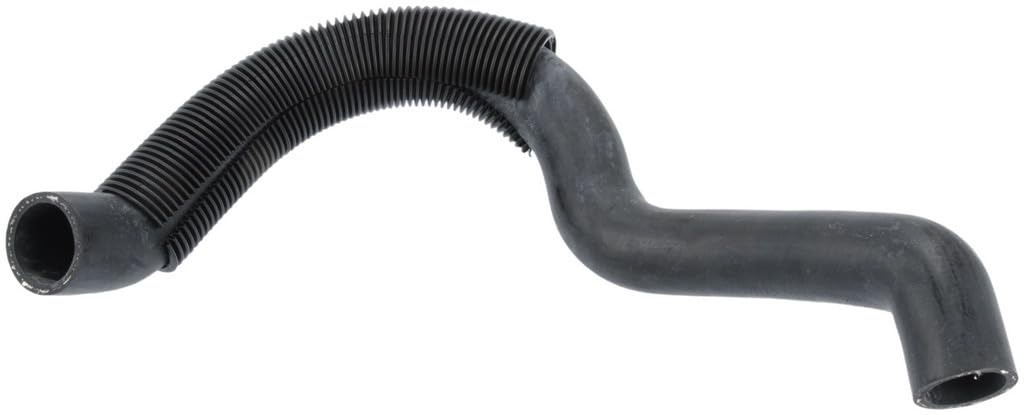
Figure 1: Continental 62193 Molded Radiator Hose. This black molded hose features specific bends for its intended application within the vehicle's cooling system.
4. Installation
Installation of the radiator hose requires careful attention to detail. Refer to your vehicle's specific service manual for detailed, step-by-step instructions. The following are general steps:
- Drain Coolant: Place a suitable drain pan under the radiator and open the drain cock to drain the coolant.
- Remove Old Hose: Loosen the hose clamps at both ends of the old radiator hose. Carefully twist and pull the old hose off the radiator and engine connections. Be prepared for residual coolant.
- Inspect Connections: Clean the connection points on the radiator and engine to ensure they are free of debris or corrosion.
- Install New Hose: Slide new hose clamps onto the new Continental 62193 hose. Position the new hose onto the radiator and engine connections, ensuring it is fully seated and aligned correctly.
- Secure Clamps: Position the hose clamps over the connection points and tighten them securely. Do not overtighten, as this can damage the hose.
- Refill Coolant: Close the radiator drain cock. Refill the cooling system with the manufacturer-recommended coolant. Follow the vehicle manufacturer's bleeding procedure to remove any air pockets from the system.
- Check for Leaks: Start the engine and allow it to reach operating temperature. Monitor the coolant level and carefully inspect all connections for leaks.
Video 1: Example of a radiator hose replacement for a 1991-2001 Jeep Cherokee. This video demonstrates the general process of replacing a radiator hose, which can be helpful for visual guidance during installation.
Video 2: Product Overview. This video provides a general overview of a molded radiator hose, highlighting its features and construction.
5. Operating Principles
The radiator hose is an integral part of the engine's cooling system. It transports hot coolant from the engine to the radiator for cooling and returns cooled coolant to the engine. This continuous circulation is crucial for maintaining the engine at its optimal operating temperature, typically around 200°F (93°C). Proper function of the hose ensures efficient heat exchange and prevents engine overheating, which can lead to severe damage.
6. Maintenance
Regular inspection and timely replacement are key to the longevity of your cooling system components, including the radiator hose.
- Visual Inspection: Periodically inspect the hose for signs of wear, such as cracks, bulges, hardening, softening, or leaks. Pay close attention to areas near clamps and bends.
- Coolant Condition: Ensure your coolant is at the correct level and is clean. Contaminated or old coolant can accelerate hose degradation. Follow your vehicle manufacturer's recommendations for coolant flush and replacement intervals.
- System Maintenance: When performing other cooling system maintenance, such as replacing the water pump or thermostat, it is recommended to replace both the upper and lower radiator hoses simultaneously. This proactive approach helps prevent future failures and ensures the entire system operates efficiently.
7. Troubleshooting
If you experience issues with your cooling system, the radiator hose could be a contributing factor. Here are common problems and troubleshooting steps:
- Leaks: Visible coolant puddles under the vehicle or coolant residue around the hose connections indicate a leak. Check hose clamps for tightness and inspect the hose for punctures or cracks.
- Hose Degradation: A hose that feels excessively hard, soft, or spongy when squeezed, or shows signs of cracking, bulging, or fraying, is likely degraded and needs immediate replacement.
- Engine Overheating: If your engine is overheating, a failing radiator hose could restrict coolant flow. Inspect the hose for internal blockages or collapse.
- Action: In case of any of these issues, replace the affected radiator hose promptly. If the problem persists after replacement, consult a qualified automotive technician.
8. Specifications
| Feature | Specification |
|---|---|
| Brand | Continental |
| Model Number | 62193 |
| Material | EPDM (Ethylene Propylene Diene Monomer) |
| Reinforcement | Synthetic Knit |
| Temperature Range | -40°F to 275°F (-40°C to 135°C) |
| ID Range | 1-inch to 3-inches (includes intersect hose configurations) |
| Compliance | Meets or exceeds SAE 20R4EC Class D1 specifications and many OE specifications |
| Special Features | Resistant to Electrochemical Degradation (ECR) |
9. Warranty and Support
This Continental product is manufactured to high-quality standards. For information regarding the product warranty, please refer to the packaging or contact Continental customer support directly. Keep your proof of purchase for any warranty claims.
For further assistance or technical support, please visit the official Continental website or consult with an authorized dealer.
Ask a question about this manual
Ask about setup, troubleshooting, compatibility, parts, safety, or missing instructions. Manuals+ will review the question and use this page’s manual context to help answer it.