
Continental 15386
Continental 15386 Automotive V-Belt User Manual
Model: 15386
Introduction
This manual provides essential information for the proper installation, operation, and maintenance of your Continental 15386 Automotive V-Belt. Designed for optimal performance in automotive applications, this V-belt is engineered with advanced materials and precision manufacturing to ensure reliable power transmission and long service life.
Key features include:
- Precision engineered and tested
- Provides high strength with shear resistance
- Easy installation
- Meets SAE specifications (J636 and J1459)
- Made from quality certified EPDM rubber compounds
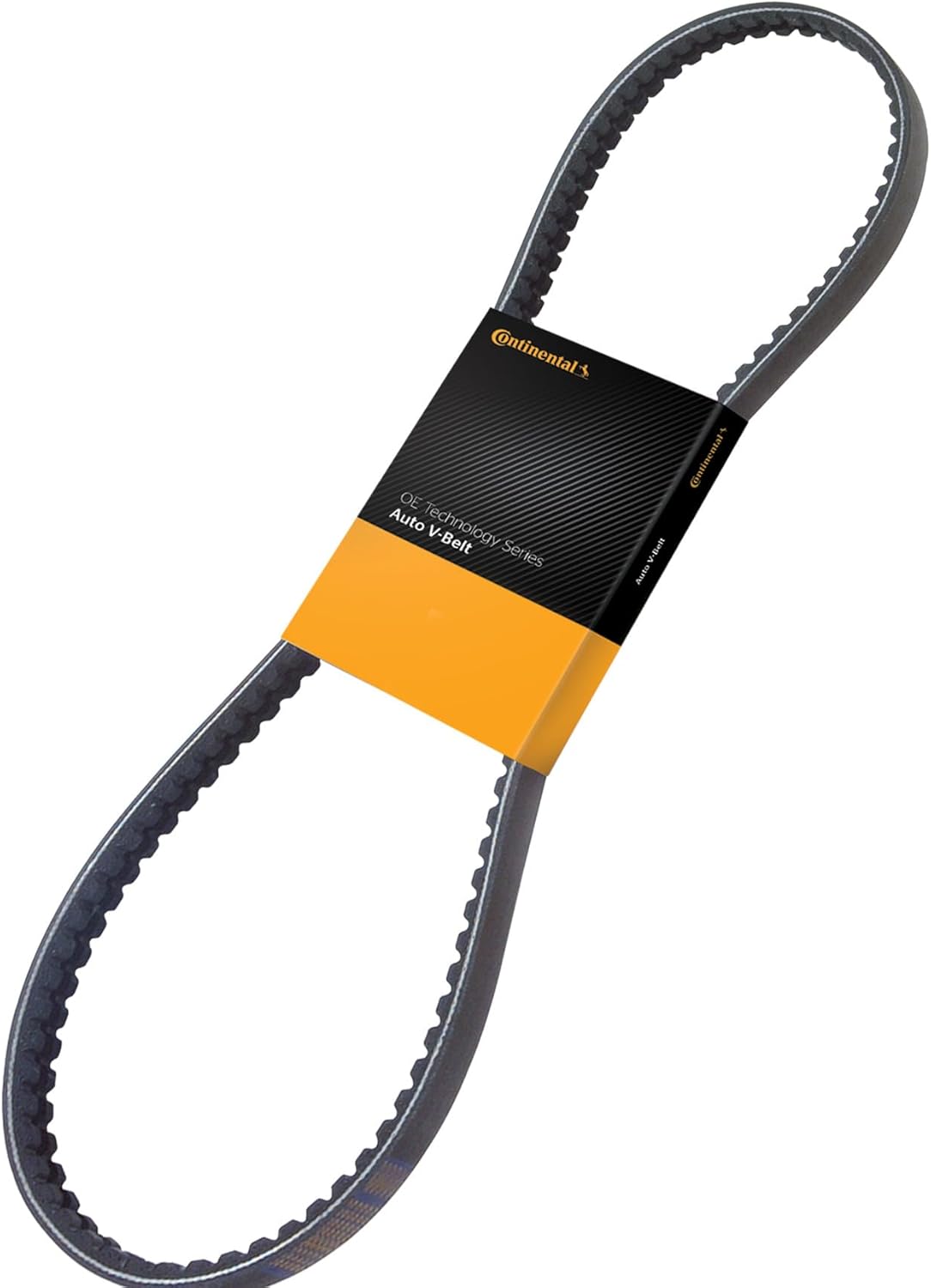
Figure 1: Continental 15386 Automotive V-Belt, showing the product in its packaging.
Installation (Setup)
Proper installation is crucial for the longevity and performance of your V-belt. Always refer to your vehicle's service manual for specific instructions regarding belt routing and tensioning for your particular application.
- Safety First: Ensure the engine is off and cool. Disconnect the battery to prevent accidental starting.
- Identify Belt Path: Note the routing of the old belt before removal. A diagram may be helpful.
- Release Tension: Locate the tensioner pulley and use the appropriate tool to release tension on the old belt.
- Remove Old Belt: Carefully remove the old belt from all pulleys. Inspect pulleys for wear or damage.
- Install New Belt: Route the new Continental 15386 V-Belt around all pulleys according to the vehicle's diagram. Ensure the belt sits correctly in all pulley grooves.
- Apply Tension: Re-apply tension using the tensioner pulley. The belt should be taut but not overly tight. Refer to vehicle specifications for correct tension.
- Verify Alignment: Double-check that the belt is properly seated on all pulleys and that there is no misalignment.
- Reconnect Battery: Reconnect the battery and start the engine briefly to ensure the belt runs smoothly without slipping or unusual noise.

Figure 2: Side profile of the V-belt, showing its tapered design for optimal pulley fit.
Operating Principles
The Continental 15386 Automotive V-Belt transmits power from the engine's crankshaft to various peripheral components such as the alternator, power steering pump, and air conditioning compressor. Its design incorporates several advanced features for efficient and reliable operation:
- EPDM Rubber Compounds: These materials provide superior heat and abrasion resistance, crucial for the demanding under-hood environment, leading to extended belt life.
- Polyester Tensile Member: This internal cord enhances dimensional stability, effectively controlling elongation and minimizing belt slip, ensuring consistent power transfer.
- High-Traction Rubber Edges: Designed to perfectly match SAE pulley specifications, these edges provide positive, no-slip contact with pulley grooves, optimizing energy transfer.
- Fiber-Reinforced, Helical Cogs: These strategically placed cogs improve the belt's flexibility, reducing the risk of cracking and fatigue in the cushion section, especially during bending around pulleys.

Figure 3: Detailed view of the fiber-reinforced, helical cogs on the V-belt, designed for enhanced flexibility and reduced fatigue.
Maintenance
Regular inspection and maintenance will help maximize the lifespan of your Continental V-belt and prevent unexpected failures.
- Visual Inspection: Periodically inspect the belt for signs of wear, such as cracks, fraying, glazing (shiny appearance), or missing chunks. Check both the ribbed and smooth surfaces.
- Tension Check: Ensure the belt maintains proper tension. A loose belt can slip, causing squealing noises and reduced performance. An overly tight belt can put undue stress on bearings.
- Pulley Inspection: Check all pulleys for rust, wear, or damage. Misaligned or worn pulleys can significantly reduce belt life.
- Contaminant Removal: Keep the belt and pulleys free from oil, grease, coolant, or other contaminants that can degrade the rubber.
- Replacement Schedule: Follow your vehicle manufacturer's recommended maintenance schedule for belt replacement, even if no visible wear is present.

Figure 4: Close-up of the smooth surface of the V-belt, demonstrating the quality of the EPDM rubber compound.
Troubleshooting
| Symptom | Possible Cause | Solution |
|---|---|---|
| Squealing Noise | Loose belt tension, worn belt, misaligned pulleys, contamination (oil/coolant). | Check and adjust tension. Inspect belt for wear and replace if necessary. Check pulley alignment. Clean belt and pulleys. |
| Belt Slipping | Insufficient tension, worn belt, glazed belt surface, oil/grease on belt. | Adjust tension. Replace worn or glazed belt. Clean off contaminants. |
| Premature Belt Wear/Cracking | Over-tensioning, worn or misaligned pulleys, excessive heat, incorrect belt type. | Verify correct tension. Inspect and replace worn pulleys. Ensure proper ventilation. Confirm correct belt model for application. |
| Vibration | Damaged belt, worn pulley bearings, unbalanced component. | Inspect belt for damage and replace. Check pulley bearings. Consult a mechanic for component balancing. |
Specifications
| Attribute | Detail |
|---|---|
| Brand | Continental |
| Model Number | 15386 |
| Material | EPDM Rubber |
| Belt Style | V Belt |
| Color | Black |
| Item Weight | 2.82 ounces |
| Product Dimensions | 16.14 x 4.53 x 0.98 inches |
| Compatible Devices | Car |
| SAE Compliance | Meets SAE J636 and SAE J1459 |
Warranty Information
Continental V-belts are manufactured to high-quality standards. For specific warranty terms and conditions, please refer to the official Continental website or contact their customer service. Keep your proof of purchase for any warranty claims.
Customer Support
For technical assistance, product inquiries, or support, please visit the official Continental website or contact their customer service department. Always provide your product model number (15386) when seeking support.
Note: This manual is intended as a general guide. Always consult a qualified professional or your vehicle's specific service manual for detailed instructions.
Related documents15386


Ask a question about this manual
Ask about setup, troubleshooting, compatibility, parts, safety, or missing instructions. Manuals+ will review the question and use this page’s manual context to help answer it.