
1. Introduction
This manual provides instructions for the installation, operation, and maintenance of the Rain Bird 100DV 1-inch Female Thread Irrigation Valve. This valve is designed for residential lawn irrigation systems and features an AC solenoid for automatic control. It does not include flow control capabilities.
The 100DV valve incorporates a double-filtered pilot-flow design for reliability and a balanced-pressure diaphragm for extended service life. It is equipped with a Buna-N diaphragm and a self-cleaning 90 mesh (200 micron) pilot water filter to prevent debris from interfering with operation. The valve is also compatible with Rain Bird battery-operated controllers when used with an appropriate latching solenoid (sold separately).
2. Setup and Installation
2.1 Safety Precautions
- Always turn off the main water supply before beginning any installation or maintenance.
- Ensure all electrical connections are made by a qualified individual and comply with local codes.
- Wear appropriate personal protective equipment, such as gloves and eye protection.
2.2 Tools Required
- Pipe wrench or channel locks
- Teflon tape or pipe sealant
- Wire strippers
- Screwdriver (for terminal connections, if applicable)
2.3 Installation Steps
- Prepare the Location: Dig a trench to the desired location for the valve. Ensure adequate drainage around the valve box.
- Connect to Main Line: Apply Teflon tape or pipe sealant to the 1-inch male threads of your irrigation pipes. Thread the valve onto the pipes, ensuring the flow arrow on the valve body points in the direction of water flow to the irrigation zone. Tighten securely but do not overtighten.
- Electrical Connections: Connect the two wires from the AC solenoid to the appropriate common wire and zone wire from your irrigation controller. Ensure connections are waterproof using silicone-filled wire nuts or similar approved connectors.
- Test the System: Slowly turn on the main water supply and check for leaks. Manually activate the zone from your controller to ensure the valve opens and closes correctly.
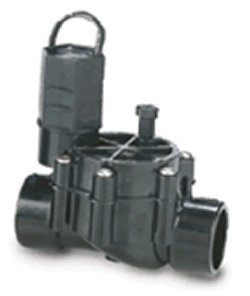
Figure 1: Rain Bird 100DV 1-inch Irrigation Valve. This image shows the valve body with the solenoid attached, highlighting the 1-inch female threaded connections for installation into an irrigation system.
3. Operation
The Rain Bird 100DV valve operates automatically when an electrical signal is sent from an irrigation controller to its AC solenoid. When the controller sends power, the solenoid activates, opening the valve and allowing water to flow to the designated irrigation zone. When power is removed, the solenoid deactivates, closing the valve and stopping water flow.
3.1 Manual Operation
In case of power outage or for testing purposes, the valve can be opened manually. Locate the solenoid on top of the valve. Turn the solenoid counter-clockwise approximately one-quarter to one-half turn to open the valve manually. To close the valve, turn the solenoid clockwise until snug. Do not overtighten.
3.2 Latching Solenoid Compatibility
This valve is designed to accept a Rain Bird latching solenoid (sold separately) for use with Rain Bird battery-operated controllers. If converting to a battery-operated system, replace the standard AC solenoid with the appropriate latching solenoid following the instructions provided with the latching solenoid.
4. Maintenance
4.1 Pilot Water Filter Cleaning
The 100DV valve features a self-cleaning 90 mesh (200 micron) pilot water filter. However, in areas with particularly dirty water, periodic inspection and cleaning may be beneficial. To clean:
- Turn off the main water supply to the valve.
- Unscrew the solenoid from the valve body.
- Carefully remove the small filter screen located at the base of the solenoid or within the valve body's pilot passage.
- Rinse the screen under clean running water to remove any debris.
- Reinsert the filter screen and screw the solenoid back into place. Do not overtighten.
- Slowly turn on the main water supply and check for leaks.
4.2 Leak Inspection
Regularly inspect the valve and connections for any signs of leaks. Small leaks can waste water and indicate potential issues. If a leak is detected, turn off the water supply and inspect the threaded connections, diaphragm, and solenoid for damage or improper seating.
4.3 Winterization
In regions subject to freezing temperatures, it is crucial to winterize your irrigation system, including the 100DV valve, to prevent freeze damage. This typically involves shutting off the main water supply, draining the system, and blowing out the lines with compressed air. Consult a local irrigation professional for specific winterization procedures for your climate.
5. Troubleshooting
| Problem | Possible Cause | Solution |
|---|---|---|
| Valve does not open |
|
|
| Valve does not close |
|
|
| Water leaks from valve |
|
|
6. Specifications
| Feature | Detail |
|---|---|
| Model Number | 100DV |
| Inlet/Outlet Size | 1 Inch |
| Connection Type | Female Threaded (NPT) |
| Solenoid Type | AC Solenoid (24VAC) |
| Flow Control | No Flow Control |
| Diaphragm Material | Buna-N |
| Pilot Filter | Self-cleaning 90 mesh (200 micron) |
| Material | Metal, Plastic |
| Item Weight | 2.1 Pounds |
| Certifications | CE, RoHS |


