1. Introduction
This guide provides a comprehensive framework for understanding and managing the complexities of software development. It focuses on quality and process improvement within enterprise software implementation, specifically addressing the Software Development Life Cycle (SDLC). The text offers an integrated approach, combining management and decision practices to facilitate the creation of effective automated solutions that meet user and customer requirements.
The second edition expands on critical areas such as cybersecurity, big data, and digital transformation, ensuring relevance in the evolving technological landscape. It is designed to equip readers with the knowledge to navigate the practical realities of software development, from defining business requirements to managing organizational change.
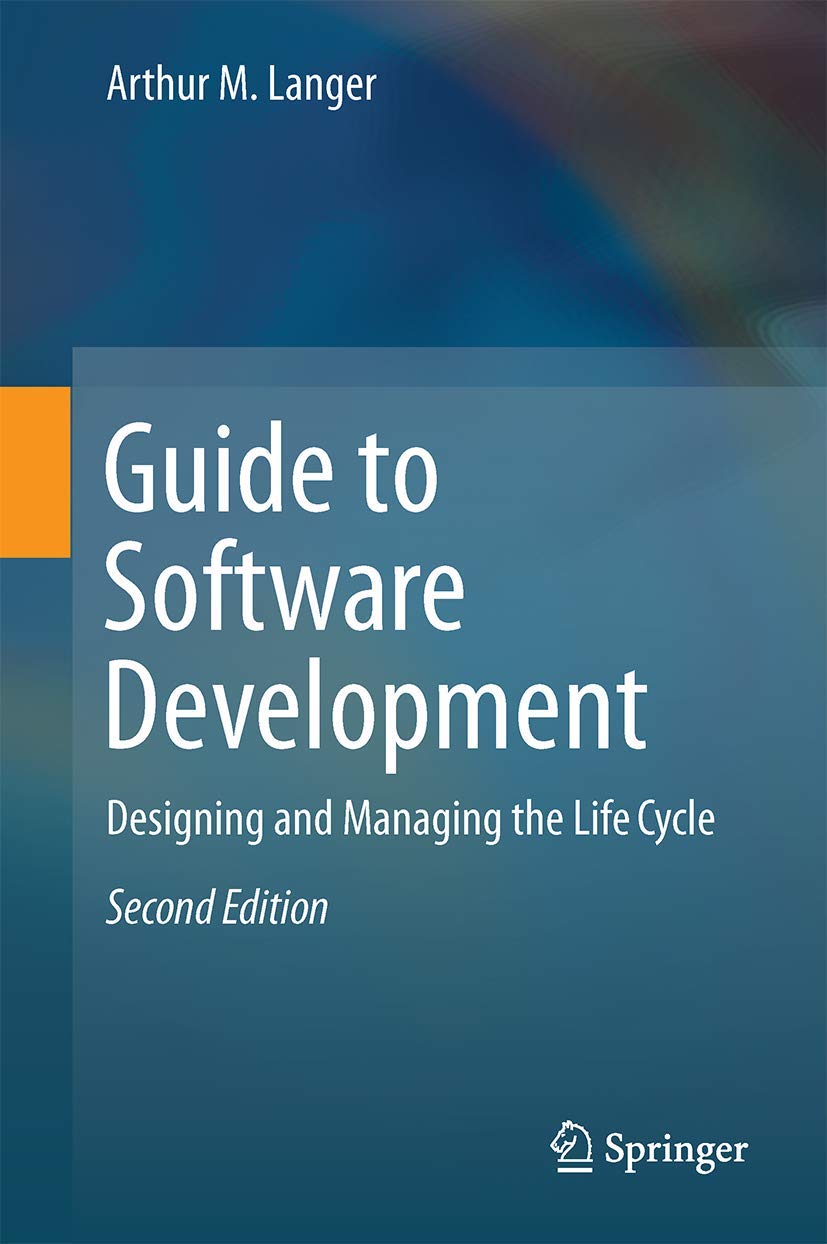
Figure 1.1: Cover of the "Guide to Software Development" book. This image displays the book's front cover, featuring its title, author, and a design element suggesting technology or data flow.
2. How to Use This Guide
This guide is structured to provide a logical progression through the principles and practices of software development. To maximize its utility, consider the following approach:
- Understand the SDLC: Begin by familiarizing yourself with the foundational concepts of the Software Development Life Cycle as presented in the initial chapters.
- Review Methodologies: Explore the various SDLC methodologies discussed, understanding how different approaches can be combined to create successful automated solutions.
- Focus on Management Practices: Pay close attention to the sections detailing management and decision practices, as these are crucial for effective project oversight.
- Analyze Case Studies: The guide includes examples and case studies. Reflect on these to see how theoretical concepts are applied in real-world scenarios.
- Engage with Exercises: Utilize the chapter-ending problems and exercises to test your understanding and reinforce learning.
- Consider Current Trends: Review the updated content on cybersecurity, big data, and digital transformation to stay informed on contemporary challenges and solutions.
The book emphasizes practical application, encouraging readers to consider the political and cultural realities within organizations when implementing software solutions.
3. Core Concepts of Software Development
The guide delves into several fundamental concepts essential for successful software development:
- Software Development Life Cycle (SDLC): A structured process that outlines the stages involved in developing and maintaining software, from initial conception to final deployment and maintenance.
- Quality and Process Improvement: Techniques and strategies for enhancing the efficiency, effectiveness, and reliability of software development processes and their outputs.
- Integrated Approach: Combining various SDLC methodologies and management practices to create tailored solutions that fit specific user and customer needs.
- Defining Business Requirements: The critical initial step of accurately identifying and documenting the needs and expectations of stakeholders to guide software development.
- Managing Change: Strategies for handling evolving requirements, technological shifts, and organizational dynamics throughout the software project lifecycle.
- Cybersecurity: Principles and practices for protecting systems, networks, and data from digital attacks, damage, or unauthorized access.
- Big Data: Methodologies for processing and analyzing extremely large and complex datasets to reveal patterns, trends, and associations.
- Digital Transformation: The integration of digital technology into all areas of a business, fundamentally changing how it operates and delivers value to customers.
4. Process Improvement and Management
Effective software development relies on continuous process improvement and robust management. This guide emphasizes:
- Strategic Planning: Developing a clear roadmap for software projects, aligning them with organizational goals and user needs.
- Resource Allocation: Efficiently distributing personnel, budget, and time to optimize project outcomes.
- Risk Management: Identifying, assessing, and mitigating potential risks that could impact project success.
- Stakeholder Communication: Maintaining clear and consistent communication with all parties involved, from developers to end-users.
- Post-Implementation Review: Evaluating the success of implemented solutions and identifying areas for further enhancement.
The guide provides various alternatives for how to manage and model a system, allowing for flexibility based on project specifics.
5. Navigating Challenges and Finding Solutions
Software development often presents complex challenges. This guide assists in navigating these by:
- Identifying Complicated Issues: Helping readers recognize common pitfalls in enterprise software implementation.
- Applying Diverse Methodologies: Demonstrating how mixing different SDLC methodologies can overcome specific project hurdles.
- Addressing Political and Cultural Realities: Providing insights into how organizational politics and culture can influence software projects and how to manage these factors.
- Focusing on User Needs: Emphasizing the importance of aligning solutions with actual user and customer requirements to prevent project failure.
The text concentrates on the skills needed to distinguish successful software implementations from those that fall short.
6. Product Specifications
| Title | Guide to Software Development: Designing and Managing the Life Cycle |
| Author | Arthur M. Langer |
| Publisher | Springer |
| Publication Date | October 13, 2016 |
| Edition | 2nd ed. 2016 |
| Language | English |
| Print Length | 419 pages |
| ISBN-10 | 144716797X |
| ISBN-13 | 978-1447167976 |
| Item Weight | 2.31 pounds |
| Dimensions | 6.5 x 1.25 x 9.25 inches |
7. Warranty Information
As a published book, this product does not typically come with a traditional manufacturer's warranty for functionality or performance. Any issues related to the physical quality of the book (e.g., printing errors, binding defects) should be directed to the retailer from whom it was purchased or the publisher, Springer, within a reasonable timeframe after purchase.
8. Support and Contact
For inquiries regarding the content of this guide, or for general information about other publications, please contact the publisher:
Publisher: Springer
Please refer to the official Springer website for their contact details and support resources.