1. Introduction and Overview
This manual provides an overview and guide for the Principles of Composite Material Mechanics, Third Edition, published by CRC Press. Authored by Ronald F. Gibson, this textbook offers a comprehensive exploration of both classical and contemporary mechanics of composite materials. It is designed for students and professionals seeking a foundational and advanced understanding of composite technologies.
The third edition incorporates updated content, new examples, and expanded coverage of modern topics in composite materials science and engineering.
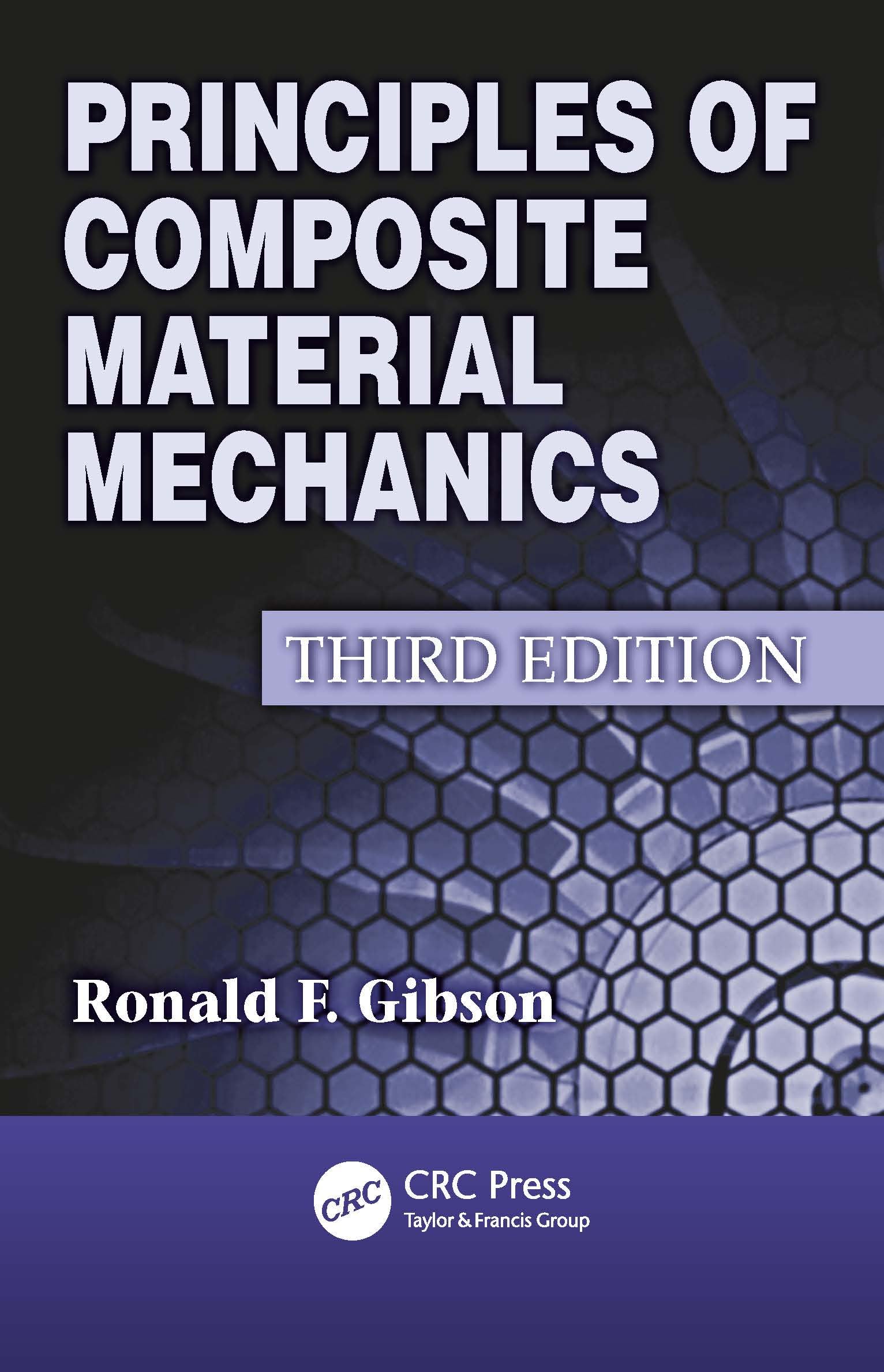
Image 1.1: Front cover of the textbook, displaying the title, edition, author Ronald F. Gibson, and publisher CRC Press logo.
2. Key Features of the Third Edition
The Third Edition introduces several enhancements to provide a more current and comprehensive learning experience:
- Expanded Problem Sets: Includes numerous new worked-out example problems and homework problems to reinforce understanding.
- Updated Visuals and References: Features new figures and an updated list of references for further study.
- Matrix Concepts Appendix: An appendix dedicated to matrix concepts and operations is included to support mathematical understanding.
- Advanced Material Coverage: New topics include particle composites, nanocomposites, nanoenhancement of conventional fiber composites, and hybrid multiscale composites.
- Modern Techniques: Expanded coverage of finite element modeling and various test methods relevant to composite materials.
3. Author Information
The book is authored by Ronald F. Gibson, a distinguished research professor of mechanical engineering at the University of Nevada-Reno. Professor Gibson is recognized for his contributions to the field, holding fellowships with the American Society of Mechanical Engineers and the American Society for Composites, where he also served as past president.
His research interests encompass mechanical characterization of composite materials and structures, noise and vibration control, design and manufacturing of composite structures, energy-absorbing materials, multifunctional composites, and nanocomposites.
4. Effective Usage Guide
To maximize the learning experience with this textbook, consider the following recommendations:
- Systematic Study: Read each chapter thoroughly, paying close attention to definitions, derivations, and theoretical concepts.
- Engage with Examples: Work through all provided example problems independently before reviewing the solutions. This practice is crucial for understanding application.
- Solve Homework Problems: Attempt the homework problems at the end of each chapter to solidify your grasp of the material.
- Utilize Appendix: Refer to the appendix on matrix concepts and operations as needed to strengthen your mathematical foundation for mechanics problems.
- Cross-Reference: Use the extensive references provided in each chapter to explore topics in greater depth or to consult original research.
5. Book Care and Maintenance
Proper care will ensure the longevity and usability of your textbook:
- Storage: Store the book in a dry environment, away from direct sunlight and extreme temperatures, to prevent warping or fading.
- Handling: Handle with clean hands to avoid transferring oils and dirt to the pages and cover.
- Protection: Consider using a book cover to protect the hardcover from scratches and spills, especially if transporting frequently.
- Marking: Use pencils for notes and highlighting to allow for corrections or future resale. Avoid permanent markers that may bleed through pages.
6. Troubleshooting and Study Strategies
Encountering difficulties in understanding complex topics is common. Here are strategies to overcome common challenges:
- Conceptual Blocks: If a concept is unclear, re-read the relevant section, review the worked examples, and try to explain it in your own words.
- Problem-Solving Difficulties: For challenging problems, break them down into smaller steps. Identify the given information, the required outcome, and the principles that apply. If stuck, revisit similar worked examples.
- Mathematical Hurdles: If mathematical operations or matrix concepts are a barrier, consult the appendix or external resources to strengthen these foundational skills.
- Seek Clarification: Discuss difficult concepts or problems with peers, instructors, or study groups. Explaining your understanding or asking specific questions can often lead to breakthroughs.
7. Specifications
| Attribute | Detail |
|---|---|
| Title | Principles of Composite Material Mechanics, Third Edition |
| Author | Ronald F. Gibson |
| Publisher | CRC Press |
| Publication Date | September 21, 2011 |
| Edition | 3rd |
| Language | English |
| Print Length | 683 pages |
| ISBN-10 | 9781439850053 |
| ISBN-13 | 978-1439850053 |
| Item Weight | 2.42 pounds |
| Dimensions | 6.25 x 1.25 x 9.25 inches |
| ASIN | 1439850054 |
8. Support and Additional Resources
For further information or inquiries regarding the content of this textbook, please refer to the publisher:
- Publisher: CRC Press, a Taylor & Francis Group company.
- Author Information: Details about Ronald F. Gibson and his other works can often be found on the publisher's website or academic profiles.
- Related Series: This book is part of the Mechanical Engineering series. Exploring other titles in this series may provide complementary knowledge.
Instructors may have access to supplementary materials such as solutions manuals and PowerPoint presentations, as mentioned in the book's description.
9. Warranty Information
As a published textbook, this product does not typically come with a traditional warranty for functionality or performance. Any issues related to manufacturing defects (e.g., missing pages, binding errors) should be directed to the retailer or publisher at the time of purchase. Content accuracy is maintained to the best of the author's and publisher's ability at the time of publication.


