1. Introduction and Overview
This manual serves as a guide to effectively utilize "Principles of Electric Machines and Power Electronics, Third Edition" by P. C. Sen. This textbook is designed to integrate traditional electric machinery concepts with contemporary control and power electronics. It covers a broad spectrum of topics, including multi-machine systems, brushless motors, switched reluctance motors, and the operation of induction motors under constant flux and current conditions. Additionally, it introduces new solid-state devices such as Insulated Gate Bipolar Transistors and MOS-Controlled Thyristors.
The book aims to provide a foundational understanding for students and professionals in electrical engineering and related fields.
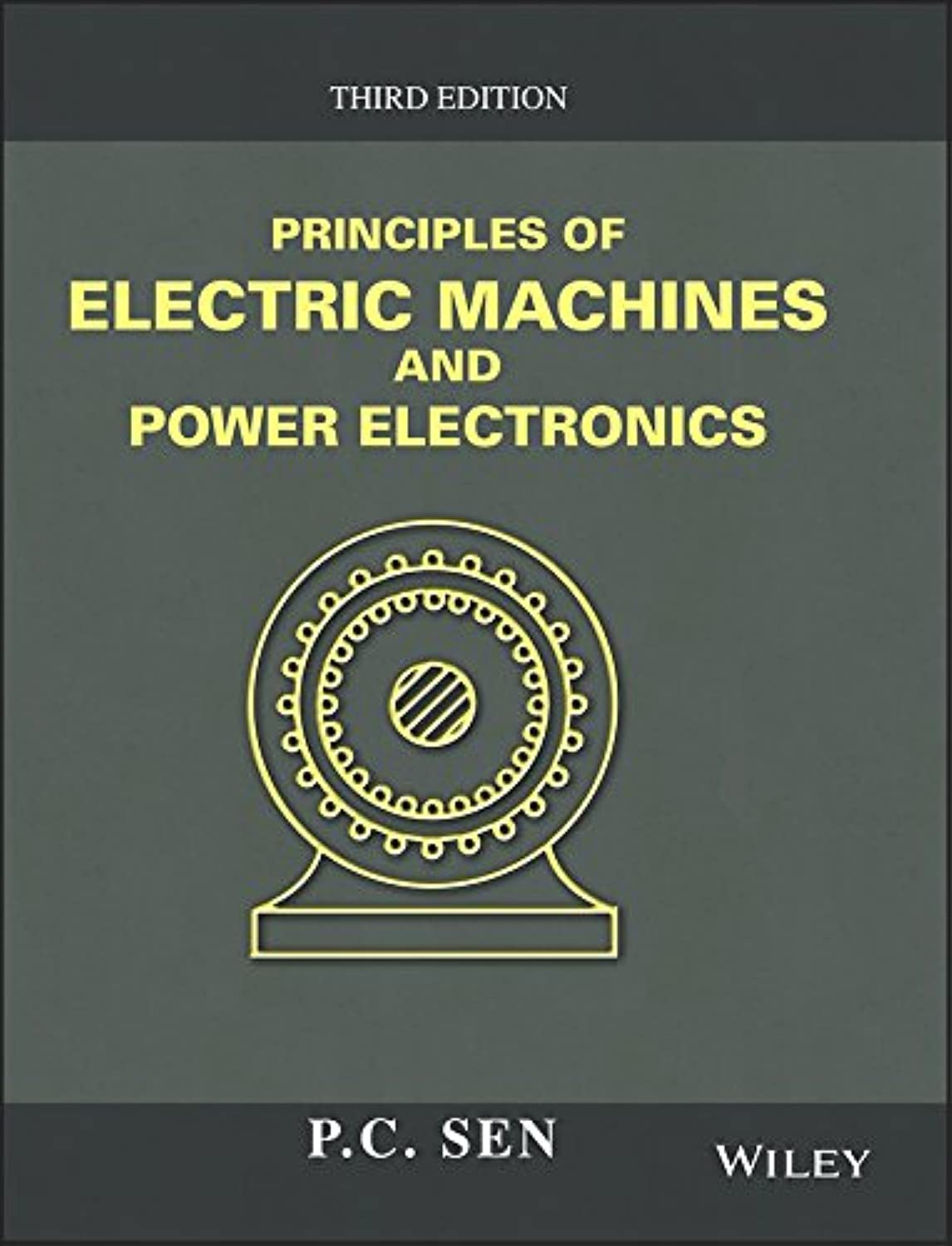
Figure 1.1: Front cover of the textbook, displaying its title and author.
2. Getting Started with the Book
To maximize your learning experience, consider the following steps:
- Review the Table of Contents: Familiarize yourself with the chapter organization and the flow of topics. This provides a roadmap for your study.
- Read Chapter Introductions: Each chapter begins with an introduction outlining the learning objectives and key concepts to be covered.
- Understand Prerequisites: Ensure you have a solid grasp of fundamental electrical engineering principles before delving into advanced topics.
- Utilize Examples: The book includes numerous worked examples. Study these carefully to understand the application of theoretical concepts.
3. Navigating the Content
The book is structured to build knowledge progressively. Here are tips for effective navigation:
- Sequential Reading: For a comprehensive understanding, it is recommended to read chapters in sequence, as concepts often build upon previous ones.
- Cross-Referencing: Pay attention to references to other sections or chapters within the text. These links are crucial for connecting related ideas.
- Problem Solving: Actively engage with the end-of-chapter problems. These are essential for reinforcing understanding and developing problem-solving skills.
- Glossary and Index: Use the book's glossary for definitions of key terms and the index to quickly locate specific topics.
4. Care and Preservation
To ensure the longevity and usability of your textbook, please follow these guidelines:
- Handle with Care: Avoid bending the spine excessively or tearing pages.
- Storage: Store the book in a dry, cool place away from direct sunlight and moisture to prevent warping or damage to the pages and binding.
- Cleanliness: Keep the book clean. Avoid eating or drinking directly over the book to prevent spills and stains.
- Marking: Use pencils for notes that may need to be erased. If using highlighters, choose those that do not bleed through pages.
5. Addressing Learning Challenges
If you encounter difficulties while studying, consider the following approaches:
- Re-read Difficult Sections: Sometimes, a second or third reading can clarify complex concepts.
- Consult External Resources: Supplement your learning with additional materials such as online lectures, academic papers, or other textbooks on the same subject.
- Seek Clarification: Discuss challenging topics with peers, instructors, or tutors. Explaining concepts to others can also deepen your understanding.
- Work Through Examples Step-by-Step: Replicate the worked examples on your own to ensure you understand each step of the solution process.
6. Specifications
Key physical and publication details of the book are provided below:
| Attribute | Detail |
|---|---|
| Title | Principles of Electric Machines and Power Electronics |
| Author | P. C. Sen |
| Publisher | Wiley |
| Edition | 3rd Edition |
| Publication Date | September 23, 2013 |
| Language | English |
| Print Length | 640 pages |
| ISBN-10 | 9781118078877 |
| ISBN-13 | 978-1118078877 |
| Item Weight | 2.3 pounds |
| Dimensions | 7.7 x 1.1 x 9.3 inches |

Figure 6.1: Visual representation of the book's dimensions.
7. Publisher Information
For additional resources, errata, or inquiries regarding the content of this publication, please refer to the official website of the publisher, Wiley. Contact information and support resources are typically available on their academic or engineering publication sections.
Publisher: Wiley
Website: www.wiley.com


