
Yamaha KT100
Yamaha KT100 Kart Racing Engine Manual
Comprehensive Guide to Racing, Tuning, Machining, and Blueprinting
Introduction to the Yamaha KT100 Engine
The Yamaha KT100 is a widely recognized two-stroke, air-cooled engine, popular in kart racing globally due to its competitive performance and affordability. This manual provides detailed insights for both novice and advanced kart racers, covering essential aspects of engine operation, tuning, maintenance, and advanced modifications for various racing disciplines.
Understanding the intricacies of the KT100 engine is crucial for optimizing performance and ensuring longevity. This guide aims to equip users with the knowledge required to achieve peak performance, whether on dirt, oval, or sprint tracks.

Figure 1: Front cover illustrating the internal components of the Yamaha KT100 engine. This diagram provides a visual overview of the engine's design, including the piston, crankshaft, and cylinder head.
Two-Stroke Tuning Fundamentals
This section covers the basic principles of two-stroke engine operation, specifically applied to the Yamaha KT100. It details how power is generated, common causes of power loss, and methods to regain lost performance. Key topics include the fundamental operation cycle, the function of the expansion chamber, and strategies for maximizing power output.
- Design of the KT100: Overview of the engine's architecture.
- Power Gains and Losses: Identifying factors that influence engine power.
- Expansion Chamber Function: Understanding its role in scavenging and power delivery.
- Gaining Power: Techniques and adjustments for performance enhancement.
Cooling and Lubrication
Proper cooling and lubrication are vital for the longevity and performance of the KT100 engine. This section discusses the air cooling system, care procedures, and the importance of effective airflow. It also delves into lubrication, including the benefits of synthetic oils, oil tests, and managing residue formation.
- Air Cooling System: Maintenance and optimization for the KT100.
- Piston Ring Cooling: Methods to ensure efficient heat dissipation from the piston ring.
- Synthetic Engine Oils: Advantages and considerations for racing conditions.
- Oil Tests: Understanding the results and their implications for engine health.
The Crankcase
The crankcase forms the foundation of the engine, housing critical components. This section details its basic function, proper alignment, and procedures for disassembly, measurement, and reassembly. It also covers sealants, necessary tools, and machining considerations for optimal performance.
- Basic Function: Role of the crankcase in engine operation.
- Alignment and Misalignment: Impact on engine efficiency and durability.
- Disassembly and Cleanliness: Best practices for engine teardown.
- Installing Seals: Correct procedures for sealing the crankcase.
Crankshaft and Connecting Rod
The crankshaft and connecting rod are central to converting linear piston motion into rotational power. This section provides comprehensive guidance on rebuilding the Yamaha KT100 crankshaft, balancing, measuring clearances, and inspecting components. It also lists specialized tools required for these procedures.
- Crankshaft Balance: Importance for smooth operation and performance.
- Measuring Big End Bearings: Critical measurements for assembly.
- Connecting Rod Assembly: Inspection and rebuilding techniques.
- Main Bearings: Selection and installation.
KT100 Pistons
Pistons are key components in the combustion process. This section explores desirable qualities, important factors like weight and expansion rate, and various clearances. It also covers piston shapes, coatings, sizes, and the impact of wrist pin offset on port timing and power. A comparison of different piston manufacturers is included.
- Piston to Cylinder Clearances: Optimal settings for performance and durability.
- Piston Coatings: Benefits and application.
- Wrist Pins and Circlips: Installation and inspection.
- Checking Compression: Procedure for assessing engine health.
The KT100 Cylinder
The cylinder is where combustion occurs and is critical for engine performance. This section details the KT100 cylinder port diagram, methods for reducing friction, and the concept of blowdown. It provides guidance on machining the cylinder, fitting the piston, honing processes, and setting port openings according to WKA and IKF regulations.
- Performance Gains: Strategies for optimizing cylinder design.
- Machining the Cylinder: Techniques for precision work.
- Honing Process: Achieving the correct cross-hatch pattern.
- Setting Port Openings: Adhering to racing regulations.
Piston Ring
The piston ring is essential for sealing the combustion chamber and transferring heat. This section covers its basic function, requirements for effective sealing, and factors like tension and drag. It also provides instructions for ring installation, clearance checks, and identifying ring temperature by its color.
- Ring Seal: Importance for compression and power.
- Ring Installation: Correct procedures to prevent damage.
- Clearances: Ensuring proper fit and function.
- Identifying Ring Temperature: Using color as an indicator of operating conditions.
Cylinder Head
The cylinder head, particularly the combustion chamber, plays a critical role in engine thermodynamics and performance. This section focuses on the Yamaha KT100 squish band, squish dynamics, and how turbulence and velocity can be utilized to improve performance. It also provides guidelines for machining the squish band and determining optimal squish width.
- Combustion Chamber: Design and its impact on power.
- Squish Dynamics: Understanding the effect of squish on combustion efficiency.
- Machining the Squish Band: Precision techniques for performance tuning.
- Machining Guidelines: Best practices for cylinder head modifications.
Ignition and Carburetion
Effective ignition and precise carburetion are fundamental for optimal engine operation. This section covers the KT ignition system, timing, spark plugs, and air filter maintenance. It also details the Walbro WB3A carburetor settings, pop-off pressure, and the role of Helmholtz resonators and airboxes in performance tuning.
- KT Ignition: Operation and timing adjustments.
- Spark Plugs: Selection and maintenance.
- Air Filter Construction and Cleaning: Impact on airflow and performance.
- Walbro WB3A Settings: Detailed tuning parameters.
- Pop Off Pressure: Setting and its effect on fuel delivery.
General Maintenance and Care
Regular maintenance is crucial for extending the life and maintaining the performance of your Yamaha KT100 engine. This section summarizes key maintenance practices discussed throughout the manual.
- Routine Inspections: Regularly check for wear, leaks, and loose connections.
- Air Filter Cleaning: Clean or replace the air filter frequently, especially in dusty conditions, to ensure proper airflow and prevent contamination.
- Spark Plug Checks: Inspect and replace spark plugs as needed to ensure consistent ignition.
- Lubrication System Checks: Monitor oil levels and quality, and adhere to recommended oil change intervals.
- Cooling System Care: Ensure unobstructed airflow to the cooling fins to prevent overheating.
- Compression Testing: Periodically check engine compression to assess internal component wear.
- Fastener Torque: Verify that all bolts and nuts are torqued to specifications to prevent loosening during operation.
Troubleshooting Common Issues
This section provides guidance on diagnosing and resolving common issues that may arise with the Yamaha KT100 engine. For detailed solutions, refer to the specific sections mentioned.
| Problem | Possible Cause | Solution |
|---|---|---|
| Engine not starting | No spark, fuel delivery issue, low compression. | Check spark plug and ignition system (see Ignition and Carburetion). Verify fuel flow and carburetor settings. Perform a compression test (see KT100 Pistons). |
| Loss of power | Improper tuning, air leak, worn piston/rings, clogged air filter. | Adjust carburetor settings (see Ignition and Carburetion). Inspect crankcase seals (see The Crankcase). Check piston and ring wear (see KT100 Pistons, Piston Ring). Clean air filter (see Ignition and Carburetion). |
| Overheating | Insufficient cooling, lean fuel mixture, excessive friction. | Ensure proper airflow to cooling fins (see Cooling and Lubrication). Adjust carburetor for richer mixture. Inspect for internal friction (see Two-Stroke Tuning). |
Product Specifications
The following specifications pertain to the Yamaha KT100 engine as detailed in this manual.
- Publisher: Genibrel Publications
- Publication Date: January 1, 2011
- Language: English
- Print Length: 92 pages
- ISBN-10: 0966912020
- ISBN-13: 978-0966912029
- Item Weight: 10.5 ounces
- Dimensions: 8.5 x 0.21 x 11 inches
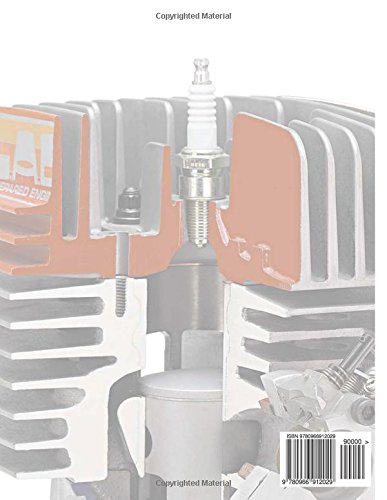
Figure 2: Back cover of the manual, providing additional visual context and publication details.
Related Documents - KT100
 |
2026 United Karting Rule Set Official 2026 rulebook for United Karting, covering safety gear, race procedures, technical specifications, and class structures for kart racing. |
 |
Two Stroke Performance Tuning Guide by Graham Bell A comprehensive technical manual by Graham Bell detailing the principles and practices of tuning two-stroke engines for optimal performance and reliability in racing applications like motocross, enduro, and road racing. |
 |
2025 United Karting Rule Set: Official Regulations for Kart Racing The official 2025 rule set for United Karting, detailing regulations for kart racing, safety guidelines, vehicle standards, race procedures, and penalty structures. Essential reading for all competitors and participants. |
 |
Le Guide Technique des Moteurs de Kart 2000 : Préparation et Entretien Découvrez le guide technique complet sur les moteurs de kart 2000, couvrant leur fonctionnement, entretien, et préparation. Idéal pour les passionnés et les compétiteurs. |
 |
IAME X30 Supplemental Rules Technical Bulletin Official technical bulletin from IAME USA East detailing supplemental rules, specifications, and clarifications for the IAME X30 racing engine, covering components like carburetors, ignition, radiators, and exhaust systems. |
 |
RIVA Maptuner X Quick Start Guide Comprehensive guide to installing and using the RIVA Maptuner X for performance tuning of Yamaha watercraft, ATVs, and UTVs, covering hardware setup, software installation, programming tunes, and service functions. |
Ask a question about this manual
Ask about setup, troubleshooting, compatibility, parts, safety, or missing instructions. Manuals+ will review the question and use this page’s manual context to help answer it.