1. Introduction to the Guide
This guide serves as a companion to "Assembly Language Step-by-Step: Programming with Linux," Third Edition. It is designed to assist readers in navigating the book's content, setting up the necessary programming environment, and understanding the core principles of x86 assembly language programming under Linux. The book aims to bridge the gap between human ideas and the fundamental operations of computer hardware.
Authored by Jeff Duntemann, this edition focuses on 32-bit protected-mode Linux and the free NASM assembler, providing a step-by-step approach suitable for those new to programming.
2. Setting Up Your Programming Environment
To effectively follow the examples and exercises in the book, it is essential to set up a suitable Linux programming environment. The book primarily uses free, open-source software.
2.1 Recommended Software
- Operating System: Ubuntu Linux (or a compatible Linux distribution).
- Assembler: NASM (Netwide Assembler).
- Text Editor: Kate editor (or any preferred code editor).
- Debugger: Gdb/Insight debugger (or kdbg as an alternative for newer systems).
- GNU Toolset: Essential for compiling and linking C-language libraries.
Detailed instructions for installation and configuration of these tools are provided within the book's early chapters. Ensure your system meets the minimum requirements for running a 32-bit Linux environment, even if using a virtual machine.
3. Core Concepts and Programming Principles
The book systematically introduces fundamental concepts before diving into complex programming. Understanding these foundational elements is key to mastering assembly language.
3.1 Foundational Knowledge
- Programmable Computing Basics: Introduction to how computers execute instructions.
- Number Systems: Thorough explanation of binary and hexadecimal number systems, crucial for low-level programming.
- Intel x86 Architecture: Understanding the structure and components of x86 processors.
- Software Development Process: Overview of editing, assembling, linking, and debugging.
3.2 Key Assembly Topics
- x86 Instruction Set: Detailed exploration of common machine instructions.
- Memory Addressing: Concepts of accessing and managing memory.
- Procedures and Macros: Techniques for structuring and reusing code.
- Interface to C-language Libraries: How assembly code interacts with higher-level language libraries, including the INT 80h call gate.
4. Practical Application and Examples
The book emphasizes hands-on learning through numerous code examples and practical tips.
4.1 Coding and Debugging
Readers are encouraged to type, assemble, and run the provided code examples. This practical engagement reinforces theoretical understanding. The book covers:
- Code Examples: Plenty of assembly code examples to illustrate concepts.
- Software Design: Principles for structuring assembly programs.
- Testing and Debugging: Techniques for identifying and resolving issues in assembly code using tools like Gdb/Insight.
All software used for these practical exercises is free and open-source, available for download from the internet, as detailed in the book.
5. Troubleshooting Common Issues
Learning assembly language can present unique challenges. Here are some common issues and general advice:
- Environment Setup Problems: Ensure all required software (NASM, GCC, Gdb) is correctly installed and configured. Verify paths and permissions.
- Syntax Errors: Assembly language is highly sensitive to syntax. Double-check your code against the book's examples and NASM documentation.
- Linking Errors: Often occur when external libraries are not correctly linked. Ensure you are using the correct linker commands and library paths.
- Runtime Errors (Segmentation Faults): These typically indicate issues with memory access (e.g., writing to protected memory, incorrect pointer usage). Use the debugger to trace execution and inspect register values.
- Understanding Hexadecimal/Binary: If you struggle with number conversions, dedicate extra time to practice. This is fundamental.
The book provides guidance on using debugging tools, which are invaluable for diagnosing and resolving issues in assembly programs.
6. Product Specifications
Details regarding the physical book:
| Title | Assembly Language Step-by-Step: Programming with Linux |
| Author | Jeff Duntemann |
| Publisher | Wiley |
| Edition | 3rd Edition |
| Publication Date | October 5, 2009 |
| Language | English |
| Print Length | 656 pages |
| ISBN-10 | 0470497025 |
| ISBN-13 | 978-0470497029 |
| Item Weight | 2.31 pounds |
| Dimensions | 7.38 x 1.48 x 9.25 inches |
7. Visual Aids and Book Overview
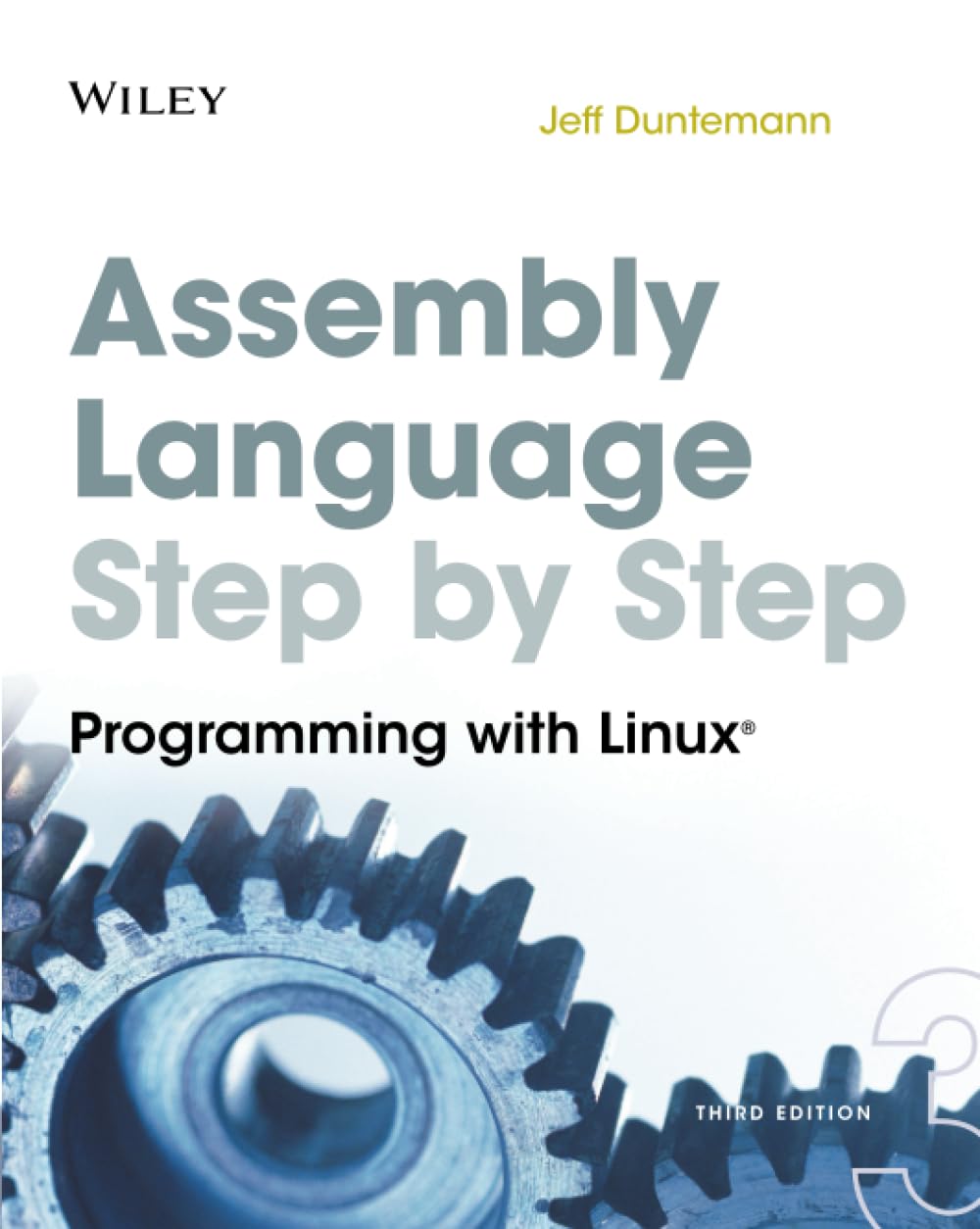
Figure 7.1: Front cover of the book, featuring the title, author Jeff Duntemann, and publisher Wiley, with a background of gears.
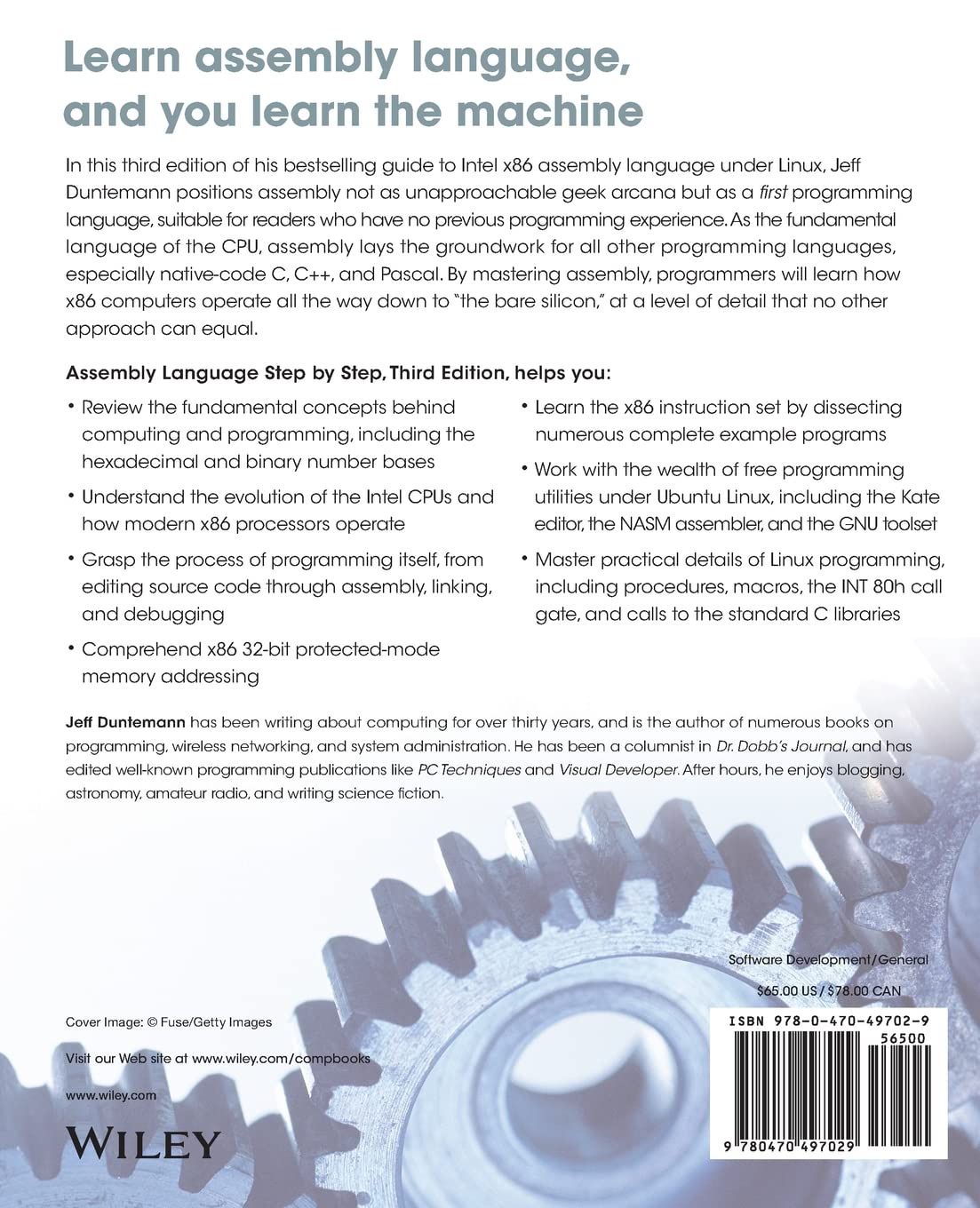
Figure 7.2: Back cover of the book, detailing key learning points and an author biography. It highlights the book's focus on x86 assembly under Linux and the use of free, open-source software.
Figure 7.3: An angled perspective of the book, showcasing its spine and front cover, emphasizing its physical form.
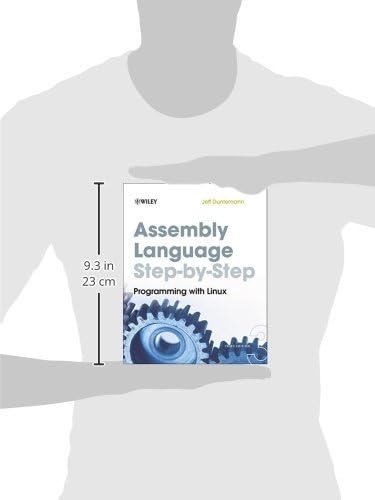
Figure 7.4: Image illustrating the physical dimensions of the book, showing a height of 9.3 inches (23 cm) for scale.
8. Support and Additional Resources
For further assistance or to explore related topics, consider the following resources:
- Publisher's Website: Visit the Wiley website for potential errata, supplementary materials, or information on other programming titles.
- Author's Resources: Jeff Duntemann may maintain a blog or website with additional insights or updates related to assembly language programming.
- Online Communities: Forums and communities dedicated to Linux programming, NASM, or x86 assembly can provide valuable peer support and knowledge sharing.
- Newer Editions/Related Books: A newer model, "x64 Assembly Language Step-by-Step: Programming with Linux (Tech Today)" (ISBN: 1394155247), is available for those interested in 64-bit assembly. Learn more about the x64 edition here.
- Current Edition Product Page: For more details on this specific edition, refer to its Amazon product page using ISBN-13: 978-0470497029.