Introduction and Purpose
This book, "Equations and Inequalities: Elementary Problems and Theorems in Algebra and Number Theory," serves as a comprehensive text for problem-solving courses at the university level (first or second year), for enrichment programs targeting talented high-school students, and for mathematics competition training. It also functions as a valuable supplementary resource for any course covering algebraic equations, inequalities, or elementary number theory.
Unlike some problem collections that lack cohesion or theoretical background, this book aims to provide a structured approach. It offers a balance of challenging problems with well-motivated and carefully written solutions, designed to engage students without overwhelming them. The goal is to foster a deeper understanding of mathematical problem-solving as an integral part of a comprehensive education.
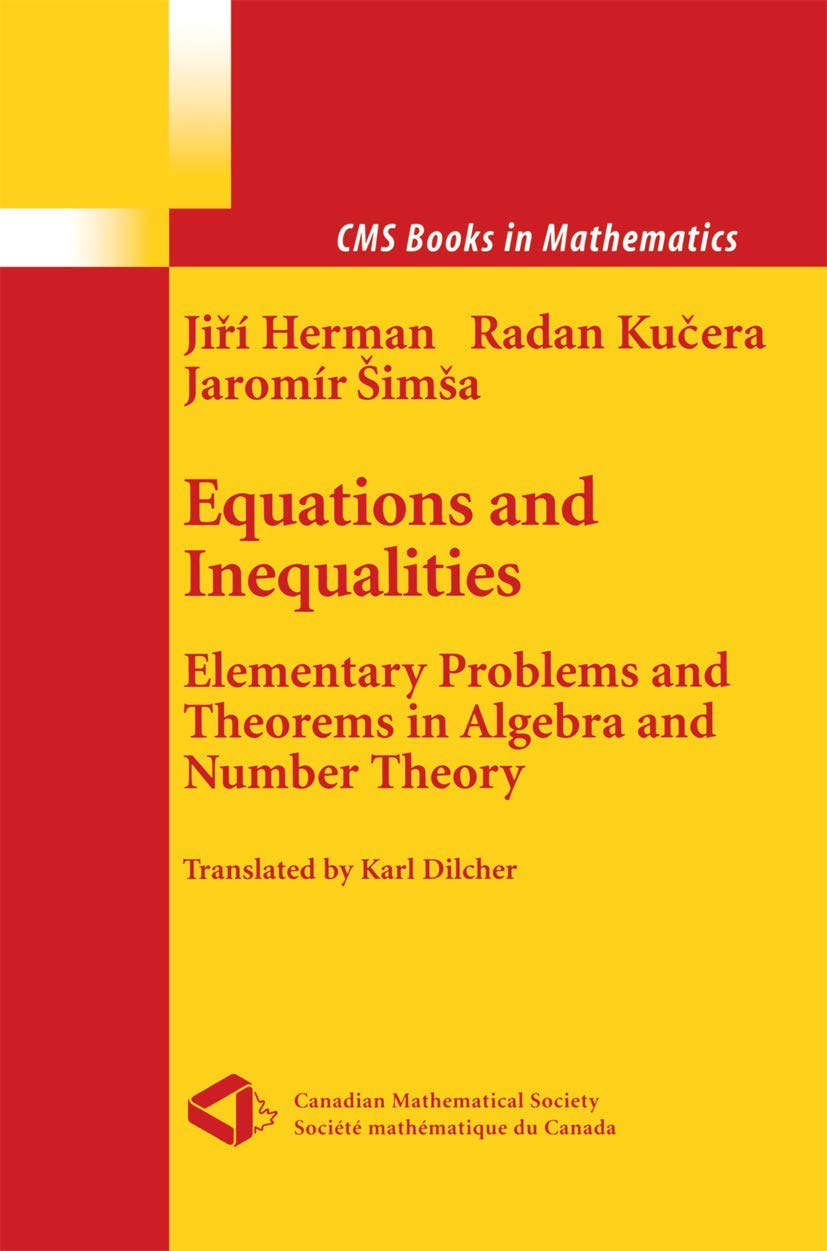
Figure 1: Front cover of the book, displaying its title and authors.
Using the Book (Operating Instructions)
To maximize your learning experience with this text, consider the following approach:
- Read Chapters Systematically: Begin by thoroughly reading each chapter's theoretical introduction. Understand the definitions, theorems, and concepts presented before attempting the problems.
- Engage with Examples: Pay close attention to the worked examples. These illustrate the application of the theory and provide insight into problem-solving strategies.
- Attempt Problems Independently: Before consulting the solutions, make a genuine effort to solve the problems on your own. This active engagement is crucial for developing problem-solving skills.
- Analyze Solutions: After attempting a problem, compare your solution with the one provided. If you couldn't solve it, study the provided solution carefully to understand the steps and reasoning. Do not just copy; strive to grasp the underlying logic.
- Review and Revisit: Periodically review previously covered material and re-attempt problems. This reinforces learning and helps solidify your understanding.
Effective Study Tips (Maintenance)
Maintaining consistent study habits will enhance your progress:
- Active Reading: Don't just passively read. Take notes, highlight key concepts, and try to rephrase definitions in your own words.
- Practice Regularly: Mathematics is a skill that improves with consistent practice. Dedicate regular time slots to work through problems.
- Collaborate (Wisely): Discuss problems and concepts with peers. Explaining a concept to someone else can deepen your own understanding. However, ensure you attempt problems independently first.
- Utilize Resources: If a concept remains unclear, consult additional textbooks, online resources, or seek guidance from instructors.
- Maintain a Problem Journal: Keep a record of challenging problems, your attempts, and the insights gained from solutions. This can be a valuable reference.
Common Challenges and Solutions (Troubleshooting)
Students may encounter various difficulties. Here are some common challenges and suggested approaches:
- Problem: Difficulty understanding a theorem or proof.
- Solution: Re-read the theorem statement and proof slowly. Break it down into smaller logical steps. Try to construct your own examples to see how the theorem applies. If necessary, review prerequisite concepts.
- Problem: Unable to start a problem or feeling stuck.
- Solution: Don't give up immediately. Try simplifying the problem, working with smaller numbers, or drawing diagrams. Look for similar problems you've solved before. Review the relevant chapter's theory and examples. Sometimes, taking a short break and returning with a fresh perspective helps.
- Problem: Solutions seem too complex or unintuitive.
- Solution: Mathematical elegance often comes from deep understanding. After reviewing a solution, try to explain it in simpler terms to yourself or someone else. Identify the key idea or trick. Over time, these patterns will become more familiar.
Product Specifications
| Title | Equations and Inequalities: Elementary Problems and Theorems in Algebra and Number Theory |
| Authors | Jiri Herman, Radan Kucera, Jaromir Simsa (Authors), K. Dilcher (Translator) |
| Publisher | Springer |
| Publication Date | March 23, 2000 |
| Edition | 2000th |
| Language | English |
| Print Length | 355 pages |
| ISBN-10 | 0387989420 |
| ISBN-13 | 978-0387989426 |
| Item Weight | 3.35 pounds |
| Dimensions | 6.29 x 0.88 x 9.49 inches |
Warranty and Support Information
As a published academic textbook, this product does not typically come with a traditional manufacturer's warranty or direct technical support in the same manner as electronic devices or appliances.
For inquiries regarding the content, potential errata, or academic use, please direct your questions to the publisher:
Publisher: Springer
You can typically find contact information for Springer on their official website (www.springer.com) under their "Contact Us" or "Customer Service" sections.
For issues related to the physical condition of the book (e.g., printing defects) if purchased new, please contact your retailer within their specified return period.


