1. Introduction
This manual is designed for students enrolled in healthcare programs, providing a comprehensive set of experiments to facilitate understanding of human body structure and function. It utilizes artwork from the Marieb/Hoehn's Human Anatomy & Physiology textbook and is compatible with any A&P textbook. This specific edition is the Main Version, one of three available (Main, Cat, Fetal Pig).
The 12th Edition incorporates new, full-color figures and photographs, alongside updated clinical application and critical thinking questions to enhance the learning experience.
2. Product Overview
The Human Anatomy & Physiology Laboratory Manual is a spiral-bound educational resource. It serves as a practical guide for laboratory exercises, complementing theoretical knowledge gained from anatomy and physiology textbooks.
2.1. Manual Components
- Detailed Exercises: A variety of experiments covering human anatomy and physiology.
- Illustrations and Photographs: Full-color figures and photos to aid visual learning.
- Clinical Applications: Sections linking laboratory concepts to real-world healthcare scenarios.
- Critical Thinking Questions: Prompts designed to encourage deeper understanding and analysis.
2.2. Editions and Versions
This manual is the 12th Edition, Main Version. Other versions, such as the Cat and Fetal Pig versions, include specific dissection exercises for those animal models.
3. Setup and Preparation
Before beginning any laboratory exercise, ensure you have all necessary materials and a clear understanding of the procedure. This section outlines general preparation steps.
3.1. Required Materials
- The Human Anatomy & Physiology Laboratory Manual (Main Version, 12th Edition).
- A compatible Anatomy & Physiology textbook (e.g., Marieb/Hoehn's Human Anatomy & Physiology).
- Standard laboratory equipment as specified for each experiment.
- Personal protective equipment (PPE) as required by your institution.
3.2. Pre-Lab Review
It is recommended to read through each exercise completely before entering the laboratory. Pay close attention to:
- Learning objectives.
- Materials list.
- Procedural steps.
- Safety precautions and warnings.
4. Operating and Usage Instructions
This section provides guidance on how to effectively use the laboratory manual during your practical sessions.
4.1. Performing Experiments
- Follow Instructions: Adhere strictly to the step-by-step instructions provided for each activity.
- Observe and Record: Carefully observe all phenomena and record data accurately in the designated spaces within the manual or a separate lab notebook.
- Utilize Visual Aids: Refer to the diagrams, illustrations, and photographs to identify structures and understand processes.
- Answer Questions: Complete all clinical application and critical thinking questions to reinforce learning.
4.2. Post-Lab Activities
- Clean Up: Properly dispose of waste and clean all equipment as instructed.
- Review: Revisit the exercise content, your observations, and answers to ensure full comprehension.
5. Maintenance and Care
Proper care of your laboratory manual will ensure its longevity and usability throughout your studies.
- Keep Dry: Protect the manual from liquids to prevent damage to pages and spiral binding.
- Handle Gently: Avoid bending or tearing pages, especially near the spiral binding.
- Store Properly: Keep the manual in a clean, dry place away from direct sunlight or extreme temperatures.
- Avoid Writing in Ink: Use pencil for notes and answers if you intend to reuse or resell the manual.
6. Troubleshooting Common Issues
This section addresses common concerns that may arise during the use of the manual.
6.1. Missing Pages or Content
If you discover missing pages, incomplete exercises, or blank sections, first check if the manual was purchased new or used. Used manuals may have content removed or filled in. For new manuals with manufacturing defects, contact the retailer or publisher for a replacement.
6.2. Difficulty Understanding Concepts
If you find certain concepts or instructions unclear:
- Refer to your primary Anatomy & Physiology textbook for additional context.
- Consult your instructor or teaching assistant for clarification.
- Review the accompanying diagrams and illustrations carefully.
7. Specifications
Key details regarding the Human Anatomy & Physiology Laboratory Manual, Main Version (12th Edition).
| Publisher | Pearson |
| Publication Date | January 7, 2018 |
| Edition | 12th |
| Language | English |
| Print Length | 928 pages |
| ISBN-10 | 0134806352 |
| ISBN-13 | 978-0134806358 |
| Item Weight | 1.5 pounds |
| Dimensions | 9.4 x 1.33 x 10.88 inches |
8. Visual Aids
This section provides visual references to the manual's physical appearance and internal content.
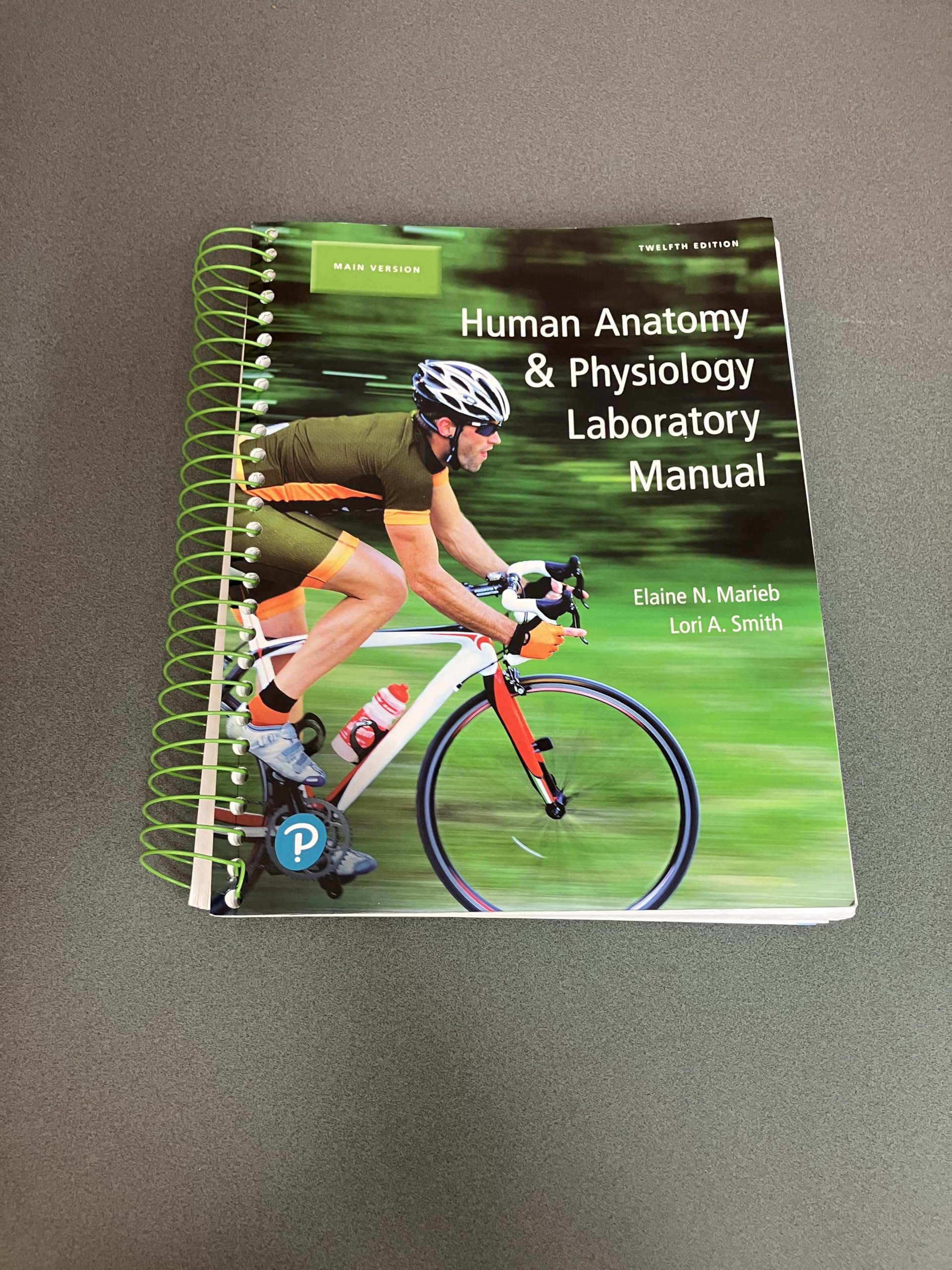
Figure 8.1: Front cover of the Human Anatomy & Physiology Laboratory Manual, Main Version, 12th Edition. The cover features a cyclist in motion against a green, blurred background, with the title prominently displayed.

Figure 8.2: Back cover of the manual, displaying information about digital resources like Mastering A&P and a checklist for study. The green spiral binding is visible.
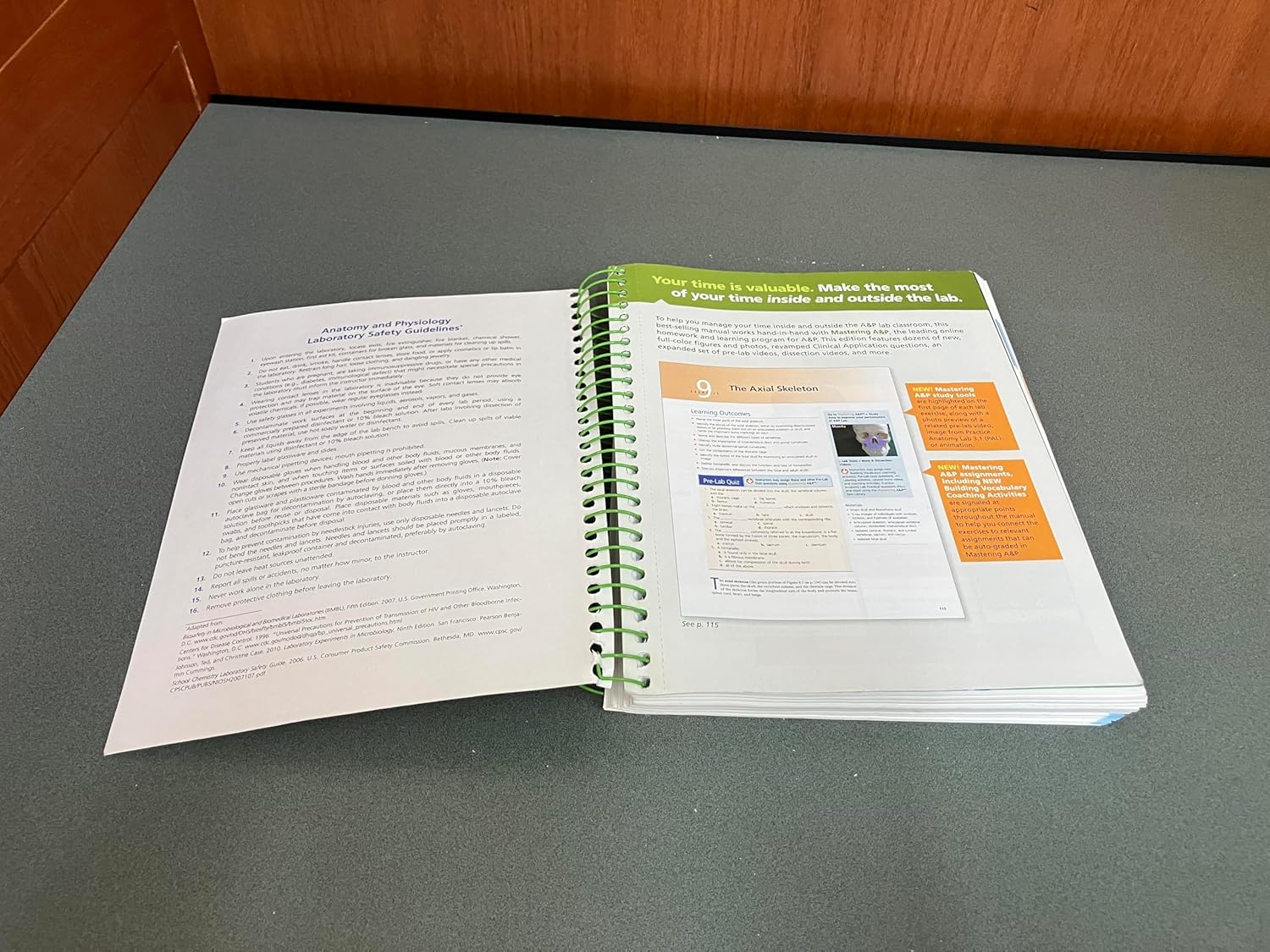
Figure 8.3: An open spread of the manual, showing an exercise titled "The Axial Skeleton" with anatomical diagrams, text, and prompts for digital resources. The spiral binding is visible on the left.
9. Warranty and Support
Information regarding product warranty or direct support for this laboratory manual is not provided within this document. For inquiries related to content, errata, or publisher support, please refer to the contact information typically found on the copyright page of the manual or visit the official Pearson website.
For issues related to purchase, shipping, or condition of the manual upon receipt, please contact your retailer directly.


