
1. Ifihan
The Huawei OptiXstar K251a-21 is a sub-FTTR (Fiber to the Room) unit designed to extend the high-speed network provided by the Huawei FTTR OptiXstar F50 Plus main unit. This device supports ultra-Gigabit high-speed access via upstream fiber optic lines and delivers Ultra Gigabit dual-band Wi-Fi and ultra-Gigabit network ports to users. It integrates next-generation Wi-Fi 7 technology for higher speeds and lower latency, ensuring a superior home network experience.
2. Alaye Aabo
Please read and understand all safety instructions before using this device. Failure to follow these instructions may result in injury, damage to the device, or property damage.
- Lo oluyipada agbara nikan ti a pese pẹlu ẹrọ naa.
- Ma ṣe fi ẹrọ naa han si omi, ọrinrin, tabi awọn iwọn otutu to gaju.
- Yago fun gbigbe ẹrọ naa si nitosi awọn orisun ooru tabi ni imọlẹ orun taara.
- Rii daju pe fentilesonu to dara lati ṣe idiwọ igbona.
- Do not attempt to open or repair the device yourself. Contact qualified service personnel for assistance.
- Jeki ẹrọ naa kuro lọdọ awọn ọmọde ati awọn ohun ọsin.
3. Package Awọn akoonu
Daju pe gbogbo awọn nkan wa ninu apo rẹ:
- Huawei OptiXstar K251a-21 Sub FTTR Device
- Okun agbara
- Itọsọna Ibẹrẹ kiakia (ti o ba wa)
4. Ọja Ipariview
Familiarize yourself with the device's components and indicators.
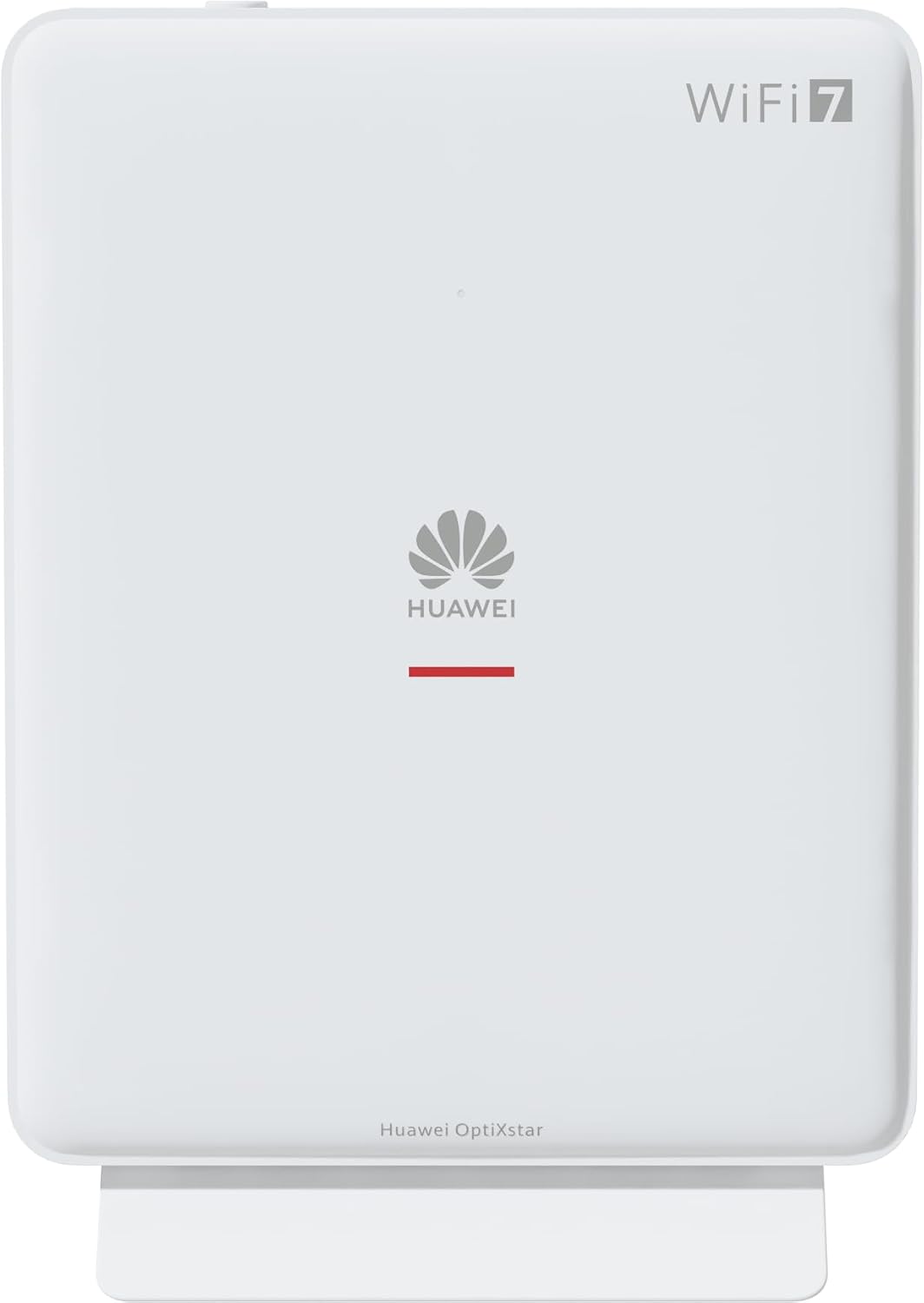
olusin 1: Iwaju view of the Huawei OptiXstar K251a-21 Sub FTTR device, showing the Huawei logo and "WiFi 7" branding.

olusin 2: Angled iwaju-ẹgbẹ view of the Huawei OptiXstar K251a-21 Sub FTTR, highlighting its sleek design and ventilation.

olusin 3: Ẹyìn view of the Huawei OptiXstar K251a-21 Sub FTTR, displaying the ports (Reset, 2-GE, 1-2.5GE, Power, FTTR) and mounting options.

olusin 4: Ẹgbẹ profile of the Huawei OptiXstar K251a-21 Sub FTTR, showing its slim form factor and ventilation grilles.

olusin 5: Angled ru view of the Huawei OptiXstar K251a-21 Sub FTTR, providing a clear look at the port labels and layout.

olusin 6: Top view of the Huawei OptiXstar K251a-21 Sub FTTR, featuring the WPS/LED button.
Awọn ibudo ati awọn bọtini:
- FTTR Port: Connects to the main FTTR unit via a fiber optic cable.
- 1-2.5GE Port: Gigabit Ethernet port for high-speed wired connections.
- 2-GE Port: Ibudo Gigabit Ethernet fun awọn asopọ onirin.
- Ibudo Agbara: Sopọ si ohun ti nmu badọgba agbara.
- Bọtini atunto: Used to restore factory settings (press and hold for 5-10 seconds).
- WPS/LED Button: Initiates Wi-Fi Protected Setup (WPS) for easy device connection and controls LED indicators.
5. Eto
Follow these steps to set up your Huawei OptiXstar K251a-21 Sub FTTR device:
- Ibi: Choose a central location in your home for optimal Wi-Fi coverage. The device is suitable for various installation scenarios, including vertical placement on a desk, wall-mounting, plugging into a power strip, or mounting in an 86mm junction box with a bracket.
- So okun okun opitiki pọ: Connect one end of the fiber optic cable to the FTTR port on the Sub FTTR unit and the other end to the corresponding FTTR port on your Huawei FTTR OptiXstar F50 Plus main unit or wall outlet. Ensure the connection is secure.
- So agbara: Plug the power adapter into the Power port on the Sub FTTR unit, then plug the other end into a power outlet.
- Agbara Tan: The device will automatically power on. Wait for the indicator lights to stabilize, typically indicating a successful connection to the main FTTR unit and active Wi-Fi.
- Wired Connections (Optional): For wired devices, connect an Ethernet cable from the 1-2.5GE or 2-GE ports on the Sub FTTR to your computer, gaming console, or other network devices.
6. Ṣiṣẹ
Once set up, your OptiXstar K251a-21 provides seamless Wi-Fi 7 connectivity.
- Asopọ Wi-Fi: Wa fun the Wi-Fi network name (SSID) broadcast by your FTTR system on your devices (smartphones, laptops, etc.). Enter the Wi-Fi password. The system's unique SRCN (Seamless Roaming Coordinate Network) technology ensures seamless roaming throughout your home.
- C-WAN Architecture: The C-WAN architecture centrally controls and coordinates network-wide Wi-Fi resources via the Main FTTR, providing an ultra-Gigabit high-speed experience.
- IoT Casing: The device features an IoT casing designed to protect home network security and privacy.
- Iṣẹ́ WPS: Press the WPS/LED button briefly to use Wi-Fi Protected Setup (WPS) for quick connection of compatible devices without entering the password.
- Awọn itọkasi LED: The LED indicators provide status information. Refer to the main FTTR unit's manual or the device's specific documentation for detailed LED status meanings.
7. Itọju
Regular maintenance helps ensure optimal performance and longevity of your device.
- Ninu: Gently wipe the device with a soft, dry cloth. Do not use liquid cleaners or abrasive materials.
- Awọn imudojuiwọn famuwia: Huawei periodically releases firmware updates to improve performance and security. These updates are typically managed through the main FTTR unit or a dedicated mobile application. Ensure your system is always running the latest firmware.
- Afẹfẹ: Rii daju pe awọn šiši fentilesonu ko ni idinamọ lati ṣe idiwọ igbona.
- Iṣakoso USB: Keep fiber optic and power cables neatly organized and free from kinks or excessive bending.
8. Laasigbotitusita
Ti o ba pade awọn iṣoro, gbiyanju awọn igbesẹ laasigbotitusita wọnyi:
- Ko si Agbara: Check if the power cable is securely connected to both the device and the power outlet. Try a different outlet.
- Ko si Asopọ Ayelujara:
- Verify that the fiber optic cable is correctly connected to the FTTR port.
- Check the status indicators on both the Sub FTTR and the main FTTR unit.
- Restart both the Sub FTTR and the main FTTR unit by unplugging them from power for 30 seconds and then plugging them back in.
- Ensure your main FTTR unit has an active internet connection.
- Iyara Wi-Fi o lọra:
- Ensure the device is placed optimally, away from obstructions and interference sources.
- Check if too many devices are connected to the network.
- Update the firmware of your FTTR system.
- Consider using a wired connection for bandwidth-intensive tasks.
- Ko le Sopọ si Wi-Fi:
- Daju pe o n tẹ ọrọ igbaniwọle Wi-Fi to tọ sii.
- Try using the WPS button to connect.
- Restart your device and the Sub FTTR unit.
- Idapada si Bose wa tele: If issues persist, you may need to perform a factory reset. With the device powered on, use a pointed object (like a paperclip) to press and hold the Reset button for 5-10 seconds until the indicators change. Note that this will erase all custom settings.
9. Awọn pato
| Ẹya ara ẹrọ | Sipesifikesonu |
|---|---|
| Brand | Huawei |
| Nọmba awoṣe | K8M251a-21G02 |
| Awọn iwọn (Apapọ) | 24.5 x 23.7 x 7.4 cm |
| Ìwúwo (Apapọ) | 300 giramu |
| Pataki Ẹya | Aabo Ayelujara |
| Igbohunsafẹfẹ Band Class | Ẹgbẹ meji |
| Alailowaya Ibaraẹnisọrọ Alailowaya | 802.11ax (Wi-Fi 7 Generation) |
| Awọn ẹrọ ibaramu | Kọmputa ti ara ẹni |
| Niyanju Lilo | Ile |
| Awọn irinše to wa | Okun agbara |
| Asopọmọra Technology | Ethernet, FTTR, Wi-Fi, Fiberglass |
| Àwọ̀ | Funfun |
| Nọmba ti Ports | 4 (FTTR, 1-2.5GE, 2-GE, Power) |
| Data Gbigbe Oṣuwọn | 1 Gigabits per second |
| Smart Home ibamu | Compatible with smart home systems |
| Internet Asopọmọra | Bẹẹni |
| Ilana Asopọmọra | Wi-Fi |
10. Atilẹyin ọja ati Support
For warranty information and technical support, please refer to the official Huawei website or contact your local Huawei customer service. Keep your purchase receipt for warranty claims.
Awọn orisun Ayelujara: Ṣabẹwo si atilẹyin Huawei osise webojú òpó wẹ́ẹ̀bù fún àwọn ìbéèrè tó ń gbajúmọ̀, àwọn ìwé àtúnṣe, àti àwọn ìgbàsílẹ̀ sọ́fítíwètì.
Iṣẹ onibara: Contact details for customer support can typically be found on the Huawei website or in the documentation provided with your main FTTR unit.