
1. Introduzzjoni
This manual provides essential information for the installation, operation, and maintenance of your AA Ignition Replacement Tire Pressure Monitoring System (TPMS) Sensor. This sensor is designed to wirelessly monitor the air pressure in your vehicle's tires, alerting you to low pressure conditions.
A low tire pressure warning on your dashboard indicates that a tire's pressure is below the recommended level or that a sensor may require replacement. The TPMS sensors are located inside your vehicle's tires.

Image 1.1: AA Ignition Replacement TPMS Sensor, including the sensor body, valve stem, nut, and washer.
2. Karatteristiċi tal-prodott
- Monitoraġġ tal-Pressjoni tat-Tajers: Continuously monitors tire air pressure wirelessly.
- Warning Light Elimination: Designed to eliminate the low tire pressure warning light on the dashboard when properly installed and programmed.
- Sostituzzjoni Diretta: Functions as a direct replacement for the original factory part, ensuring compatibility and performance.
- Part Number Compatibility: Replaces OEM part numbers 550-0103, 42607-06011, and 42607-33021.
- Redesigned Chip: Features a redesigned chip for enhanced longevity.
- Kit Tlesti: Includes a new valve and washer for installation.

Image 2.1: Visual representation of key product features.
3. Kompatibilità
This AA Ignition TPMS sensor is compatible with a wide range of Toyota, Lexus, and Scion vehicles. Please verify your vehicle's specific year and model against the list below and cross-reference with the OEM part numbers.
3.1 Replaces Part Numbers
- 550-0103
- 42607-06011
- 42607-33021
- 5500103
- 4260706011
- 4260733021
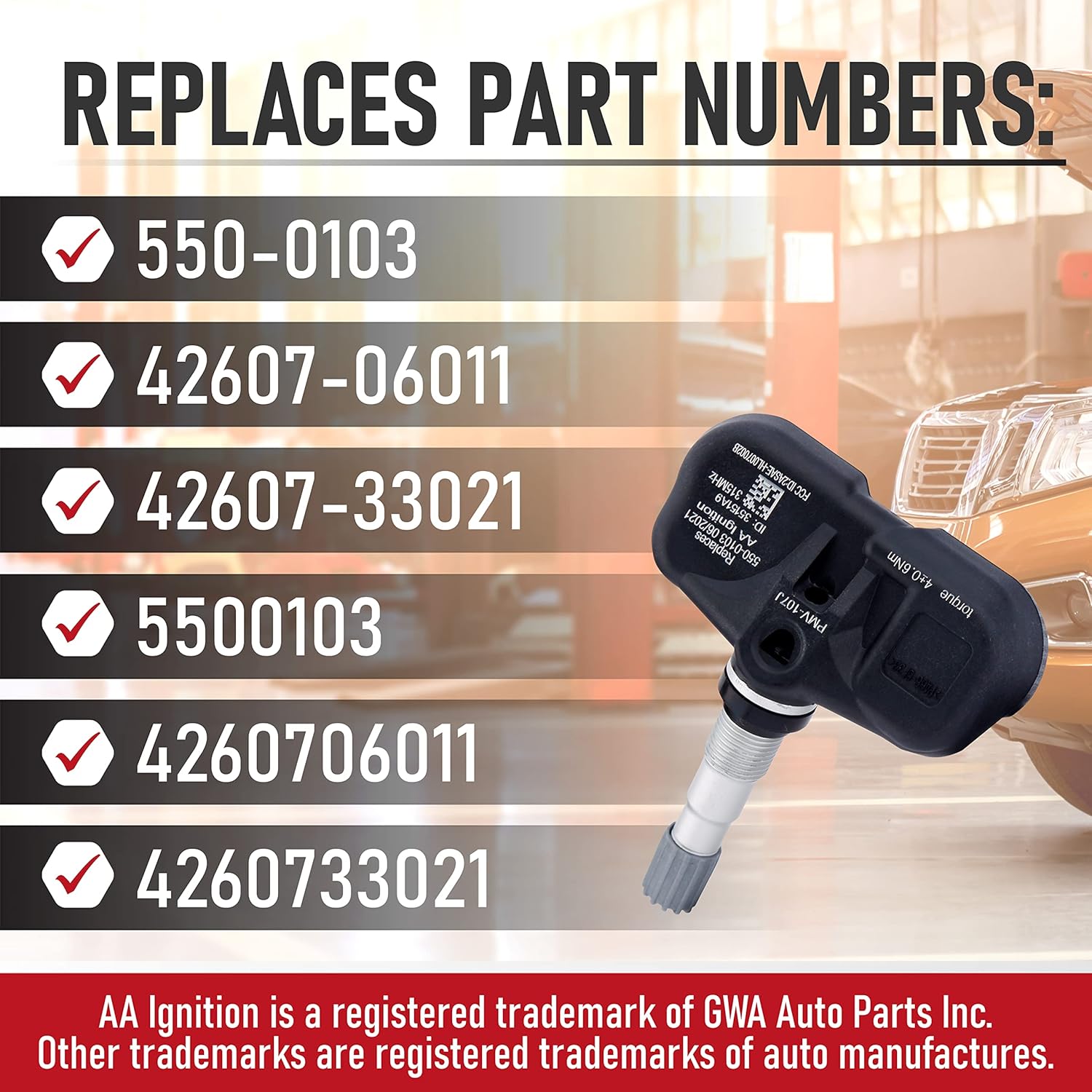
Image 3.1: List of OEM part numbers that this sensor replaces.
3.2 Compatible Vehicles (Partial List)
For a complete list, refer to the product listing or consult a professional.
- 2011-2016 Lexus CT200h
- 2006 GS300
- 2008-2011 GS460
- 2010-2015 GX460
- 2006-2016 Scion tC
- 2008-2015 Scion xB
- 2004-2016 Toyota 4Runner
- 2007-2013 Toyota Avalon
- 2007-2011 Toyota Camry
- 2007-2013 Toyota Corolla
- 2006-2013 Toyota RAV4
- 2005-2015 Toyota Tacoma
- 2005-2006 Toyota Tundra

Image 3.2: Partial list of compatible vehicle models.
4. Installazzjoni u Setup
Installation of TPMS sensors typically requires specialized tools and knowledge. It is highly recommended that installation and programming be performed by a qualified automotive technician or tire shop.
4.1 Passi Ġenerali ta' Installazzjoni (Rakkomandati minn Professjonali)
- Tire Removal: The tire must be safely removed from the wheel to access the old TPMS sensor.
- Old Sensor Removal: The existing TPMS sensor is unmounted from the wheel.
- Installazzjoni Ġdida tas-Sensor: The AA Ignition TPMS sensor is mounted to the wheel using the provided new valve and washer. Ensure proper torque specifications are met.
- Tire Remounting and Inflation: The tire is remounted onto the wheel and inflated to the manufacturer's recommended pressure.
- Sensor Registration/Programming: The new TPMS sensor's ID must be registered with the vehicle's Engine Control Unit (ECU) using a compatible diagnostic tool (e.g., Toyota Techstream or an Autel TPMS programming tool). This step is crucial for the sensor to communicate with the vehicle and for the warning light to reset.
This sensor is a single pack; you will need one sensor for each tire requiring replacement. If the low tire pressure light on your vehicle blinks for a few seconds and then stops, it may indicate a need to replace your TPMS sensors.

Immaġni 4.1: Splodiet view of the TPMS sensor components.

Image 4.2: Professional installation is recommended for optimal performance.
5. Operazzjoni
Once correctly installed and programmed, the AA Ignition TPMS sensor continuously monitors the air pressure within its respective tire. This data is wirelessly transmitted to your vehicle's TPMS receiver.
- Operazzjoni normali: Under normal conditions, with tire pressures within the recommended range, the TPMS warning light on your dashboard will remain off.
- Twissija ta' Pressjoni Baxxa: If a tire's pressure drops below a predetermined threshold, the TPMS sensor will trigger the warning light on your dashboard, alerting the driver to a low tire pressure condition.

Image 5.1: Typical TPMS warning light icon.

Immaġni 5.2: Eż.ample of a low tire pressure warning display.
6. Manutenzjoni
TPMS sensors are sealed units with an internal battery. The battery life is finite and typically lasts several years, depending on usage and environmental factors. When the battery depletes, the sensor will cease to function, and the TPMS warning light may illuminate or blink.
- Ħajja tal-batterija: The lifespan of the sensor's internal battery can vary. Some users have reported sensor battery life of approximately 1.5 to 3 years.
- Sostituzzjoni: When a sensor's battery dies or the sensor fails, the entire unit must be replaced. Individual battery replacement is not feasible.
- Regular Tire Maintenance: Ensure tires are regularly inspected for damage and maintained at the correct pressure, as this can impact sensor longevity and performance.

Image 6.1: Internal components of a TPMS sensor, including the battery.
7 Issolvi l-problemi
If you experience issues with your TPMS system after installing an AA Ignition sensor, consider the following:
- Blinking TPMS Light: If the low tire pressure light on your vehicle blinks for a few seconds upon startup and then remains illuminated, it often indicates a system malfunction or a sensor that needs replacement or reprogramming.
- No Reading/Incorrect Reading: Ensure the sensor has been correctly registered with the vehicle's ECU. Incorrect programming is a common cause of sensors not reporting data.
- Dijanjosi Professjonali: For persistent issues, consult a professional technician. They can use diagnostic tools to read fault codes and identify the exact cause of the TPMS malfunction.

Image 7.1: A flat tire, a common scenario that triggers the TPMS warning.
8. Speċifikazzjonijiet
| Speċifikazzjoni | Valur |
|---|---|
| Brand | AA Ignition |
| Numru tal-Mudell | 550-0103AA |
| Piż tal-oġġett | 0.06 Kilogrammi (2.08 uqija) |
| Stil | Moderna |
| Provvista Massima Voltage | 5 Volts |
| Preċiżjoni tal-Kejl | ±2% |
| Medda ta' Kejl | 20 - 50 PSI |
| Tip ta 'Immuntar | Flanġ Mount |
| Tip ta' Output | Diġitali |
| Distanza Sensing | 10 Meters |
| Klassifikazzjoni tat-Temperatura Għolja | 150 Grad Fahrenheit |
| UPC | 810072260451 |
9. Garanzija u Appoġġ
The AA Ignition Replacement TPMS Sensor comes with a lifetime warranty. This warranty covers defects in materials and workmanship under normal use.
- Talba ta' Garanzija: If the part fails, contact AA Ignition for a replacement. Refer to the official AA Ignition website for full details and terms of the lifetime warranty.
- Appoġġ Tekniku: For installation assistance, troubleshooting, or diagnostic help, contact AA Ignition customer support.


