
1. Kupu Whakataki
The M-Vave SMK-37 Pro is a versatile musical instrument that combines the functionality of a modern MIDI controller with the sound capabilities of a classic FM synthesizer. Designed for both studio and mobile musicians, this device features 37 velocity-sensitive keys and a comprehensive set of controls, offering flexibility through wireless or USB connectivity.
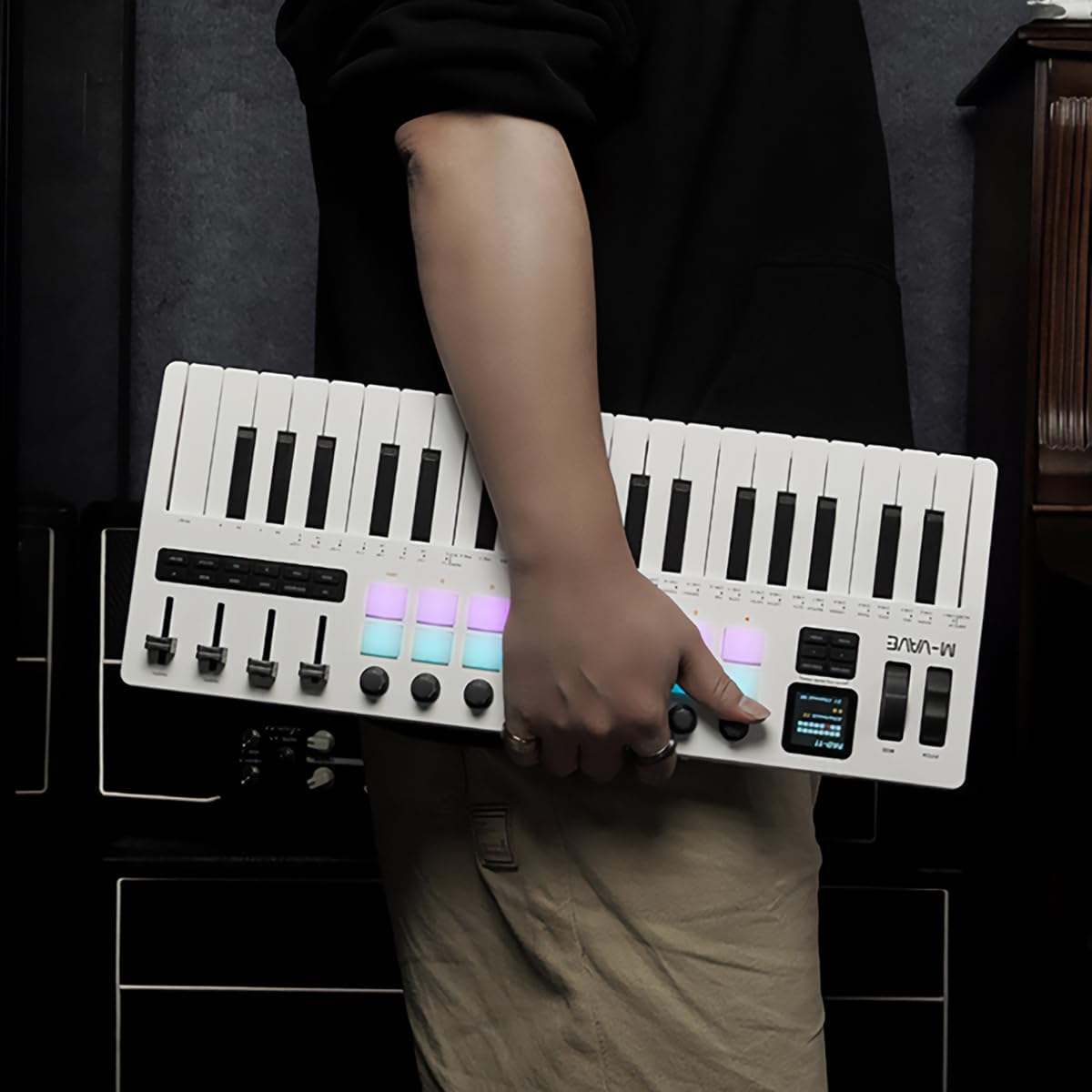
Figure 1.1: The M-Vave SMK-37 Pro is designed for portability, allowing musicians to create on the go.
2. Hua Neke Atuview
The SMK-37 Pro is engineered to provide extensive control and sound generation capabilities. Below is an overview o ōna āhuatanga matua me ōna wāhanga.
2.1 Nga waahanga matua
- 37 velocity-sensitive keys (3 octaves) for expressive play.
- Built-in FM synthesizer engine, inspired by the Yamaha DX7.
- 16 RGB illuminated drum pads for beat making and sampte whakaoho.
- 8 assignable rotary knobs and 4 assignable faders for real-time control.
- USB-C connectivity for power and data, alongside Bluetooth 5.0 and 2.4G wireless MIDI.
- Integrated 2000mAh rechargeable battery for up to 8 hours of portable use.
- 1.54-inch color display for clear parameter feedback.
- Pitch bend and modulation wheels for dynamic performance.
- Octave transform and Smart Chord functions.
2.2 Tautuhinga Wae

Whakaahua 2.1: Mua view of the SMK-37 Pro, highlighting the keyboard, pads, and control surface.
- Papapātuhi: 37 velocity-sensitive keys.
- Papa: 16 RGB illuminated drum pads.
- Pupu: 8 assignable rotary encoders.
- Nga Rererangi: 4 assignable faders.
- Whakaatu: 1.54-inch color screen for parameter visualization.
- Pitch/Mod Wheels: For expressive control.

Figure 2.2: Rear panel of the SMK-37 Pro, showing connectivity options.
- Tauranga USB-C: For charging and USB MIDI connection.
- Pātene Hiko: Hei whakakā/whakaweto i te taputapu.
- Putanga Ororongo: For monitoring the built-in FM synthesizer.
3. Tatūnga
Follow these steps to set up your M-Vave SMK-37 Pro.
3.1 Te Whakataki i te Pūrere
- Connect the included USB-C cable to the USB-C port on the rear of the SMK-37 Pro.
- Honoa te tahi pito o te taura USB-C ki te urutau hiko USB hototahi (kaore i whakaurua) ki te tauranga USB rorohiko ranei.
- The device will begin charging. A full charge provides up to 8 hours of operation.
3.2 Kei te Hiko / Weto
- To power on, press and hold the Power button on the rear panel until the display illuminates.
- Hei whakaweto, pēhia me te pupuri i te pātene Mana kia whakaweto rā anō te mata.
3.3 Kōwhiringa Hononga
The SMK-37 Pro offers multiple ways to connect to your devices.
3.3.1 USB MIDI Hononga
- Connect the SMK-37 Pro to your computer using the USB-C cable.
- The device will be recognized as a standard MIDI input/output device by your operating system (Windows, macOS, iOS, Android).
- For Windows users, ensure you have Bluetooth 5.0 and an appropriate BLE MIDI driver installed for wireless functionality.
3.3.2 Wireless MIDI Connection (Bluetooth 5.0 / 2.4G)

Figure 3.1: Wireless connection guide for the SMK-37 Pro.
- Ensure the SMK-37 Pro is powered on.
- Activate Bluetooth on your Windows, macOS, iOS, or Android device.
- Rapua available Bluetooth devices and select "SMK-37 Pro" from the list.
- For 2.4G wireless MIDI, a compatible 2.4G receiver (sold separately) may be required. Refer to the receiver's instructions for pairing.
4. Nga Tohutohu Whakahaere
This section details how to use the M-Vave SMK-37 Pro as both a MIDI controller and a standalone FM synthesizer.

Figure 4.1: The SMK-37 Pro in use, showcasing its interactive controls.
4.1 MIDI Controller Mode
The SMK-37 Pro functions as a universal MIDI controller, compatible with various Digital Audio Workstations (DAWs) and software instruments.
- Connecting to DAWs: Once connected via USB or wirelessly, select "SMK-37 Pro" as a MIDI input device in your DAW's preferences (e.g., Ableton Live, FL Studio, Logic Pro, GarageBand).
- Assigning Controls: The 16 RGB pads, 8 knobs, and 4 faders can be assigned to control parameters within your DAW or VST instruments. Refer to your DAW's manual for MIDI mapping instructions.
- Keys and Wheels: The 37 velocity-sensitive keys, pitch bend, and modulation wheels transmit standard MIDI messages for expressive performance.
4.2 Built-in FM Synthesizer Mode
The SMK-37 Pro features an integrated FM synthesizer engine, allowing you to create and play sounds directly from the device without external software.

Figure 4.2: The SMK-37 Pro's internal sound source can be monitored via headphones or external speakers.
- Sound Generation: The FM synth engine is inspired by the legendary Yamaha DX7, supporting DX7 patches.
- Mana Tawhā: Use the onboard knobs and faders to edit synthesizer parameters such as algorithms, filters, envelopes, and effects. The 1.54-inch color display provides visual feedback on parameter values.
- Whakahaere Papaki: Sounds can be played, edited, and stored directly on the device. Consult the on-screen menu for patch selection and saving procedures.
- Putanga Ororongo: Connect headphones or external speakers to the audio output jack on the rear panel to monitor the synthesizer's sound.
4.3 Whakaatu me te Whakaterenga

Figure 4.3: The 1.54-inch display provides clear feedback on settings and parameters.
The 1.54-inch color display is your primary interface for navigating menus, adjusting parameters, and viewing patch information. Use the dedicated navigation buttons and rotary encoders near the display to browse options and confirm selections.
4.4 Nga Mahi Motuhake
- Octave Transform: Use the dedicated octave buttons to shift the keyboard's range up or down.
- Smart Chord Function: This feature assists in playing chords with single key presses. Refer to the on-screen menu for activation and configuration.
- Arpeggiator: The built-in arpeggiator can generate rhythmic patterns from held notes. Settings for mode, octave, swing, tempo, and latch can be adjusted via the display.
5. Tiaki
Proper care will ensure the longevity and optimal performance of your SMK-37 Pro.
- Te horoi: Use a soft, dry cloth to wipe the surface of the device. For stubborn dirt, a slightly damp Ka taea te whakamahi i te kakahu, ā, muri iho ka whakamahia te kakahu maroke. Āta karohia ngā kai horoi whakakoi, ngā whakarewa rānei.
- Rokiroki: Whakaorangia te taputapu ki te waahi makariri, maroke atu i te ra tika, te wera nui, me te makuku nui.
- Te whakahaere: Avoid dropping the device or subjecting it to strong impacts. Do not place heavy objects on top of it.
- Tiaki Pūhiko: Mō te roa o te ora o te pākahiko, kaua e whakawetohia te pākahiko i ngā wā katoa. Ki te rongoa mō te wā roa, whakakīia te pākahiko ki te 50% i ia marama torutoru.
6. Te Raru
If you encounter issues with your M-Vave SMK-37 Pro, refer to the following common solutions.
| Raruraru | Take pea | Rongoā |
|---|---|---|
| Kaore te taputapu i te hiko. | Kāore i honoa te pākahiko iti, te taura hiko rānei. | Charge the device using the USB-C cable. Ensure the power button is pressed and held correctly. |
| No sound from the built-in synth. | Volume too low, headphones/speakers not connected, or incorrect patch selected. | Check the volume level on the device and connected audio equipment. Ensure headphones or speakers are properly connected to the audio output. Select a different patch. |
| MIDI not recognized by computer/DAW. | Incorrect connection, driver issues (Windows), or DAW settings. | Ensure USB-C cable is securely connected or Bluetooth is paired. For Windows, verify Bluetooth 5.0 and BLE MIDI driver installation. Check your DAW's MIDI input settings to ensure SMK-37 Pro is enabled. |
| Kāore i te pumau te hononga ahokore. | Interference, distance, or low battery. | Move the device closer to your host device. Ensure no other wireless devices are causing interference. Charge the SMK-37 Pro. |
| Pads or keys are unresponsive. | Software issue or device malfunction. | Restart the device. If the issue persists, perform a factory reset (refer to advanced settings in the display menu). Contact support if the problem continues. |
7. Whakatakotoranga
Detailed technical specifications for the M-Vave SMK-37 Pro.
- Ingoa Tauira: M-Vave SMK-37 Midikeyboard w/built-in Synth
- Tau tauira: MVA-SMK37 Pro
- Kī: 37 velocity-sensitive keys (3 octaves)
- Papa: 16 RGB illuminated drum pads
- Mana: 8 rotary knobs, 4 faders, Pitch bend, Modulation wheel
- Whakaatu: Whakaaturanga tae e 1.54-inihi
- Hononga: USB-C, Bluetooth 5.0, 2.4G wireless MIDI
- Pūhiko: Hanga-i roto i te 2000mAh pākahiko rechargeable
- Ora Pūhiko: Tae atu ki te 8 haora (tata)
- Synthesizer: Built-in FM synthesizer (DX7-based)
- Hototahi: Windows, macOS, iOS, Android
- Pūmanawa Tautoko: Ableton Live, FL Studio, Logic Pro, GarageBand, Carl Martin Studio (and other DAWs)
- Nga Waahanga Kei roto: Tauira USB
- Taumaha Tūemi: 1 Kirokaramu
8. Pūtāhui me te Tautoko
For warranty information and technical support, please contact M-VAVE customer service through their official website or your retailer. Keep your purchase receipt as proof of purchase.
- Tautoko Aipurangi: Visit the M-VAVE official webpae mo nga FAQ, tango taraiwa, me nga korero whakapā.
- Rehitatanga Hua: Rēhitahia to hua ki runga ipurangi kia whiwhi whakahōu me te tautoko.