
1. Kupu Whakataki
Thank you for choosing the Zapco ST-1000XM III Monoblock Class D Ampwhakarara. Tenei amplifier is designed to deliver high-quality audio performance for your vehicle's sound system. Please read this manual thoroughly before installation and operation to ensure proper use and to maximize the ampte pūmanawa o te kaiwhakaora.
The ST-1000XM III is a single-channel, Class D bass amplifier featuring a new aluminum chassis, variable input gain control, variable electronic crossover, variable subsonic filter, variable bass boost control, variable center frequency for bass boost, and variable phase control. It is also strappable for use with a second amplifier on a single voice coil and includes a dash-mount remote gain control.
2. Nga korero haumaru
Kia mau tonu nga whakaritenga haumaru e whai ake nei i te wa e whakauru ana me te mahi:
- Momotuhia te pūmau kino o te pākahiko o te waka i mua i te tīmatanga o tētahi tāutanga.
- Me whakarite kia tika te ara o ngā waea katoa, kia mau hoki hei ārai i te pakaru, i te poto rānei o te ara iahiko.
- Whakamahia ngā waea ine tika mō ngā hononga hiko, whenua, me te kaikorero e ai ki te tohu.
- Tāutahia te amplifier in a dry, well-ventilated location, away from direct sunlight, heat sources, and moisture.
- Kaua e whakahaere i te amptirohia te taputapu mēnā kua pakaru, kua hē rānei te mahi. Tukuna te mahi tiaki ki ngā kaimahi whai tohu.
- High sound pressure levels can cause permanent hearing loss. Adjust volume levels responsibly.
3. Tatūnga me te Tāuta
Proper installation is crucial for optimal performance and safety. If you are unsure about any part of the installation process, consult a professional installer.
3.1 Whakapiki i te Ampkaikawe
Kōwhiria he wāhi haumaru, maroke, ā, he pai te hauhautanga mō te whakairinga amplifier. Ensure there is sufficient airflow around the heatsink. Use the provided mounting hardware to secure the ampwhakapiri pūmau ki tētahi mata totoka o tō waka.
3.2 Hononga Waea
Refer to the diagram below for proper wiring connections.
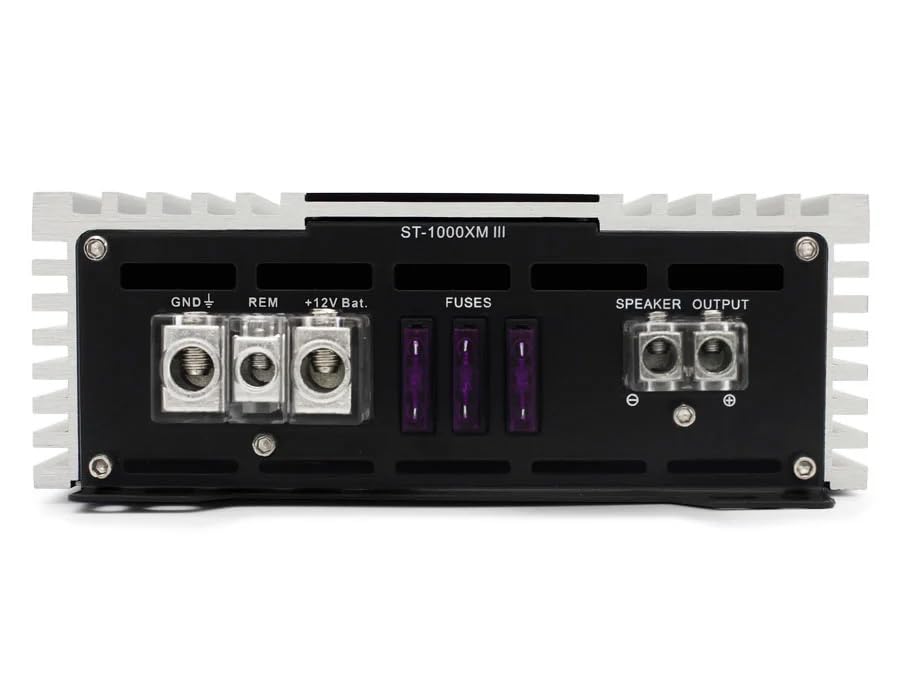
Figure 1: Rear panel connections for power, ground, remote, fuses, and speaker output.
- Hiko (BATT +12V): Connect a heavy-gauge wire (e.g., 4 AWG or larger, depending on cable length) directly from the vehicle's positive battery terminal to the +12V terminal on the amplifier. Install an appropriate fuse holder (not supplied) within 18 inches (45 cm) of the battery.
- Papa (GND): Honoa he waea taumaha he rite te rahi ki te waea hiko mai i te pūrua GND ki te ampWhakakīia te rama ki tētahi mata whakarewa ma, kāore anō kia peitahia i runga i te anga o te waka. Me whakarite kia pai te hononga hiko.
- Mamao (REM): Honoa he waea iti ake te rahi (hei tauira, 18 AWG) mai i te pito REM i runga i te ampte pūwhakaata ki te putanga tahuri-mamao o tō waeine upoko. Ka hurihia e tēnei waea te ampWhakakā, whakaweto hoki te pūoko hiko me tō reo irirangi.
- Whiwhi: Ko te amplifier is equipped with internal fuses. Ensure these are correctly rated (refer to specifications). Do not replace with higher-rated fuses.
- Putanga Kaikōrero: Connect your subwoofer(s) to the SPEAKER OUTPUT terminals. Observe correct polarity (+ to + and - to -). This is a monoblock ampkaiwhakaora, i hangaia mō te putanga hongere kotahi.
- Tāuru (RCA): Connect RCA cables from your head unit's subwoofer or full-range pre-out to the IN (RCA) terminals on the ampkaikawe
- Mana Maama Mamao: Connect the included remote gain control to the 'REMOTE' port on the amplifier's front panel. This allows for convenient bass level adjustment from the driver's seat.
4. Operating Controls and Adjustments
The Zapco ST-1000XM III features several controls to fine-tune your audio system. Refer to the diagram below for control locations.
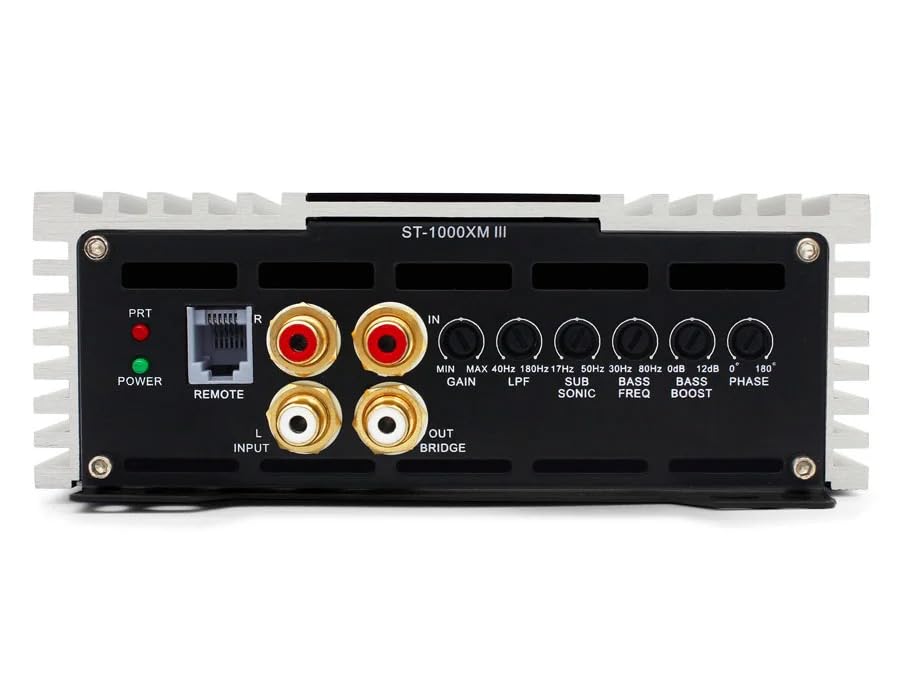
Figure 2: Front panel controls for audio adjustments.
- POWER/PRT Indicators: The POWER LED indicates the amplifier is on. The PRT (Protection) LED illuminates if the amplifier enters protection mode due to overheating, low impedance, or other faults.
- GAIN (Input Sensitivity): Whakaritea te amplifier's input sensitivity to match the output voltage of your head unit. Start with the gain at minimum and slowly increase until desired volume is achieved without distortion. Range: 0.25V to 5V.
- LPF (Tatari Utu Iti): Ka whakatakotohia e tēnei mana whakahaere te rohe auau o runga mō te amplifier's output. Only frequencies below the set point will pass through. Typically set between 50Hz and 200Hz for subwoofers.
- SUB SONIC (Subsonic Filter): Filters out extremely low frequencies that are inaudible and can damage subwoofers. Typically set below the port tuning frequency of a ported enclosure, or around 20-30Hz for sealed enclosures. Range: 17Hz to 50Hz.
- KAUPAPA KAUPAPA: Increases the output level at a specific bass frequency. Use sparingly to avoid distortion. Range: 0dB to 12dB.
- BASS FREQ (Bass Boost Frequency): Selects the center frequency for the bass boost control.
- Wāhanga: Adjusts the phase of the subwoofer output relative to the main speakers. This helps to ensure all sound waves arrive at the listener's ears in sync, improving bass impact and clarity. Adjustable from 0° to 180°.
5. Tiaki
The Zapco ST-1000XM III ampHe iti noa te tiaki e hiahiatia ana mō te rīpene. Whāia ēnei aratohu hei whakarite kia roa te ora:
- Puritia te ampkia ma, kia kore he puehu, he paru rānei. Whakamahia he kakahu ngohengohe, maroke hei horoi.
- Me whakarite kia pai te hau huri noa i te ampwhakamātao i ngā wā katoa. Kaua e ārai i ngā tara whakamatao.
- Ia wa, tirohia nga hononga waea katoa mo te piri me te waikura.
- A ape i te whakaatu i te amphe whakaahuru ki te tino mahana, ki te makuku ranei.
6. Te Raru
Mena ka pa ki a koe nga raru o to amplifier, consult the following troubleshooting guide before contacting support.
- Kore Mana:
- Tirohia te fiusi kei roto i te raina tata ki te pākahiko me ngā fiusi kei runga ampkaikawe
- Verify all power, ground, and remote turn-on connections are secure and have proper voltage.
- Ensure the head unit is on and sending a remote signal.
- Kore Oro:
- Check RCA input cables for proper connection and damage.
- Verify speaker wires are correctly connected and not shorted.
- Adjust the GAIN control.
- Check head unit settings (e.g., subwoofer output enabled, volume up).
- Oro korikori:
- Whakaitihia te tautuhinga GAIN.
- Check speaker impedance; ensure it is within the amplifier's rated limits.
- Whakatikatikahia ngā tautuhinga LPF, Subsonic, me te Bass Boost.
- Ensure speaker wires are not shorted or damaged.
- Amplifier Goes into Protection Mode (PRT LED on):
- Check for speaker wire shorts or impedance too low.
- Me whakarite kia pai te hau kia kore e wera rawa.
- Check for proper power and ground connections.
7. Whakatakotoranga
| Āhuahira | Whakatakotoranga |
|---|---|
| Ampmomo Momo | Single channel, Class D, Bass Ampkaikawe |
| Mana @ 1Ω | 1 x 1050 Watts RMS |
| Mana @ 2Ω | 1 x 750 Watts RMS |
| Mana @ 4Ω | 1 x 450 Watts RMS |
| THD @ Mana Whakatauranga | <0.2% |
| Tauwehenga Waitohu ki te Haruru | > 100dB |
| THD + Haruru | <0.1% |
| Te kaha | > 85% |
| Whakautu auau | 10Hz ki te 200Hz ±1dB |
| Tairongo Whakauru | 0.25V ki te 5V |
| Ahinga (W x H x L) | 160mm x 58mm x 300mm (Chassis) |
| Overall Dimensions (W x H x L) | 160mm x 58mm x 325mm |
| Taumaha Tūemi | 8 Pauna |
| Momo Whakaeke | Maunga Mata |
| Momo Whakatakotoranga | FCC |
8. Pūtāhui me te Tautoko
The Zapco ST-1000XM III ampka tae mai te riipene me te 1-Tau Pūtāhui mai i te rā i hokona ai, e kapi ana i ngā hapa o ngā rauemi me te mahi toi i raro i te whakamahinga noa. Kāore tēnei pūtāhui e kapi i ngā kino i puta mai i te tāutanga hē, te aituā, te whakamahi hē, te tukino, te mangere, te whakarerekētanga kāore i whakamanahia rānei.
For technical support or warranty claims, please contact your authorized Zapco dealer or visit the official Zapco website for contact information. Please have your product model number and proof of purchase ready.