
Daytech 1 Pack
Daytech Window Intercom System User Manual
Model: 1 Pack
1. Hua Neke Atuview
The Daytech Window Intercom System is designed to facilitate clear, two-way voice communication across barriers such as glass windows, commonly found in banks, ticket offices, hospitals, and retail stores. Its advanced technology ensures automatic identification of speech signals, eliminating the need for manual operation during conversations.
Āhuatanga matua:
- Dual-Way Voice Intercom Communication: Utilizes auto dual-way intercommunication technology for seamless conversations without manual intervention.
- Independent Volume Adjustment: Allows separate volume control for both the inside and outside units, with convenient knob operation for precise sound levels and reduced static.
- High-Sensitive Microphone: Equipped with a high-quality speaker and a sensitive microphone, optimized for counter environments and clear dual-way communication.
- Tatūnga Mono & Purei: Simple installation requiring only connection to a power adapter and the outside speaker. Features a flexible microphone cable for easy positioning.
Nga tono:
This intercom system is suitable for a wide range of environments where communication through a barrier is necessary, including:
- Bank windows
- Ticket offices
- Hospital windows
- Post office windows
- Securities windows
- Embassy visa offices
- Taraka kai
- Teihana penehīni
- Schools, counters, and stores

Figure 1: Diverse applications of the Daytech Window Intercom system.
2. Ihirangi mokete
Upon opening your Daytech Window Intercom package, please verify that all the following components are included:
- Main Intercom Unit with Gooseneck Microphone
- External Speaker Unit
- Pūurutau Hiko

Figure 2: Main intercom unit and external speaker.
3. Aratohu Tatūnga
Follow these steps to set up your Daytech Window Intercom system:
- Whakaturia te Waeine Matua: Place the main intercom unit on the inside of the window or counter where the operator will be located. Ensure the gooseneck microphone is positioned for comfortable use.
- Position the External Speaker: Place the external speaker unit on the outside of the window or barrier, facing the customer.
- Connect the External Speaker: Plug the cable from the external speaker unit into the 'Outer' jack on the back of the main intercom unit.
- Hono Hono: Plug the power adapter into the 'Power' jack on the back of the main intercom unit, then plug the adapter into a standard electrical outlet.
- Optional Recording Connection: If desired, connect a recording device to the 'Rec' jack on the back of the main unit.

Figure 3: Connection points and features of the main unit.
Aratohu Tatūnga Tirohanga:
Video 1: A demonstration of the Daytech Window Intercom system, including its components, setup, and basic operation. This video highlights the ease of installation and the clear two-way communication capabilities.
4. Nga Tohutohu Whakahaere
Once the system is set up, follow these instructions for operation:
- Hiko Whakaka/Weto: Locate the ON/OFF switch on the main unit and toggle it to the 'ON' position to power on the intercom. The power indicator light will illuminate.
- Whakaritea Rōrahi: Use the 'Inner Vol' knob to adjust the volume of the main unit's speaker (for the operator) and the 'Outer Vol' knob to adjust the volume of the external speaker (for the customer). Adjust both to a comfortable listening level.
- Korero Maamaa: Speak directly into the gooseneck microphone for optimal clarity. The system is designed for automatic two-way communication, so no buttons need to be pressed during conversation.
- Turanga Waorooro: The gooseneck microphone can be rotated 360 degrees to achieve the best pickup angle for the operator.

Figure 4: Independent volume adjustment knobs.
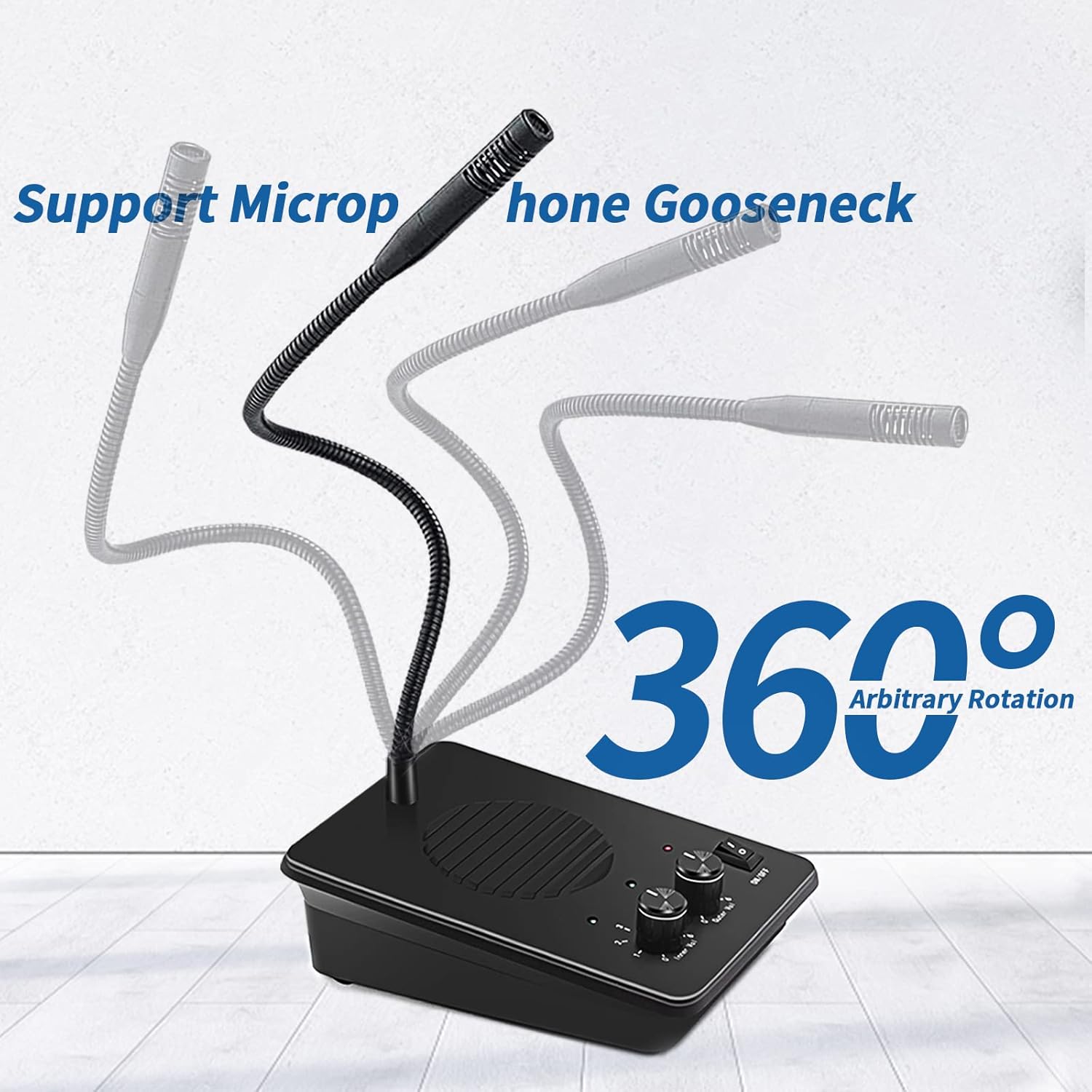
Figure 5: Flexible gooseneck microphone for optimal positioning.
5. Whakatakotoranga
| Āhuahira | Taipitopito |
|---|---|
| Waitohu | Daytech |
| Tae | Pango |
| Puna Mana | Pūurutau Hiko |
| Rahi Tūemi (L x W x H) | 6 x 5 x 6 inihi |
| Hangarau Hononga | Ahokore |
| Momo Tāuta | Mono Mai |
| Taumaha Tūemi | 7.04 hekere |
| Voltage | 12 Volts (DC) |
| Tikanga Mana | Paa |
| Nga Waahanga kei roto | Pouaka tukuoro |
Note: Some specifications may vary slightly. For the most accurate and up-to-date information, please refer to the product packaging or contact Daytech customer support.
6. Tiaki
To ensure the longevity and optimal performance of your Daytech Window Intercom System, follow these simple maintenance guidelines:
- Te horoi: Regularly wipe the main unit and external speaker with a soft, dry cloth to remove dust and debris. For stubborn marks, a slightly damp cloth can be used, but ensure the device is unplugged and completely dry before reconnecting power. Avoid using harsh chemicals or abrasive cleaners.
- Tiaki taura: Ensure all cables are not kinked, pinched, or placed under heavy objects. Proper cable management helps prevent damage and ensures consistent performance.
- Nga Tikanga Taiao: Operate and store the intercom in a dry environment, away from extreme temperatures, direct sunlight, and excessive humidity.
7. Te Raru
If you encounter any issues with your Daytech Window Intercom System, please refer to the following common troubleshooting steps:
| Raruraru | Take pea | Rongoā |
|---|---|---|
| Kāore he hiko/kāore e tahuri ana te waeine | Ko te urutau hiko kaore i te hono, kei te he te putanga. | Ensure the power adapter is securely plugged into the unit and a working electrical outlet. Check the ON/OFF switch. |
| No sound from either unit | Volume knobs set too low or cables not properly connected. | Increase both 'Inner Vol' and 'Outer Vol' knobs. Verify that the external speaker cable is securely plugged into the 'Outer' jack. |
| Ko te oro he parori, he kore marama ranei | Volume set too high, microphone too far, or environmental interference. | Reduce volume levels. Ensure the operator is speaking directly into the gooseneck microphone. Check for strong electromagnetic interference nearby. |
| One-way communication only | Microphone issue on one side or cable connection problem. | Check the microphone positioning. Ensure all cables are firmly connected. If the issue persists, contact customer support. |
If these steps do not resolve the issue, please contact Daytech customer support for further assistance.
8. Pūtāhui me te Tautoko
Daytech products are designed for reliability and performance. For information regarding warranty coverage, technical support, or service, please refer to the warranty card included with your product or visit the official Daytech website. You may also contact Daytech customer service directly for assistance.
Mōhiohio Whakapā:
- Tirohia te Daytech Store on Amazon mo nga korero hua me nga rauemi tautoko.