
Andonstar AD246S-P
Pukapuka Kaiwhakamahi mō te Karuārai Mamati HDMI Andonstar AD246S-P
Model: AD246S-P | Brand: Andonstar
1. Kupu Whakataki
The Andonstar AD246S-P is a versatile HDMI digital microscope designed for detailed observation and recording. Featuring a 7-inch screen, 2160P UHD video recording capabilities, and a multi-lens system, it is suitable for examining various objects including coins, circuit boards, biological slides, and more. This manual provides instructions for proper setup, operation, and maintenance of your device.

Figure 1: Andonstar AD246S-P Digital Microscope Overview
2. He aha kei roto
The Andonstar AD246S-P package includes the following components:
- 1x Microscope Host
- 1x Plastic Stand
- 1x Arotahi A (whakanui 18-720x)
- 1x Lens B (1560-2040x magnification)
- 1x Lens C (2760-4080x magnification)
- 2x USB Spot Lights
- 1x Kāri Micro SD 32GB
- 1x Tauera USB
- 1x Switch Cable
- 1x taura HDMI
- 1x Mana Mamao
- 5x Ngā Kiriata Kua Whakaritea
- 1x Observation Box
- 1x Tiwhikete
- 3x Backdrop Boards
- 1x Kaihurihuri
- 1x Manual Tohutohu

Whakaaturanga 2: Nga Ihirangi mokete
3. Tatūnga
3.1 Huihuinga Tu
Assemble the plastic stand by following the instructions provided in the video below. Ensure all screws are tightened for stability.
Video 1: How to Install the Plastic Bracket for AD246/AD249 (Applicable to AD246S-P)
Video 2: Assemble the Plastic Stand for AD246, 246S, 249, 249S
3.2 Hononga Wae
Connect the microscope host to the stand. Plug in the USB spot lights and the power cable. Insert the provided 32GB Micro SD card into the designated slot on the microscope host.
4. Nga Tohutohu Whakahaere
4.1 Hiko / Whakaweto
Press and hold the Power On/Off button on the microscope host to turn the device on or off.
4.2 Te Tāutanga me te Whakamahinga o te Arotahi
The AD246S-P comes with three interchangeable lenses (A, B, and C) to suit different observation needs. Lenses can be exchanged by removing and installing screws.

Figure 3: Multi-Lens System Overview
Video 3: How to use the 3 lenses of AD246/AD249 plastic stand (Applicable to AD246S-P)
4.2.1 Lens A (18-720x)
Use Lens A for observing larger objects such as whole coins, circuit boards, plants, or stones. It provides a magnification range of 18-720x.

Figure 4: Coin and PCB Observation with Lens A
Video 4: Andonstar AD246S-Use lens A to observe coins
Video 5: Andonstar AD246S-Use lens A to observe flowers
Video 6: AD246S HDMI microscope-Use lens A to observe butterfly
4.2.2 Lens B (1560-2040x) & Lens C (2760-4080x)
Lenses B and C are designed for higher magnification, ideal for observing biological slides and microscopic structures. Lens B offers 1560-2040x magnification, while Lens C provides 2760-4080x magnification.

Figure 5: Biological Observation with Lenses B and C
Video 7: Andonstar AD246S-Use lens B to observe prepared slides
4.3 Whakatikatika Arotahi
Rotate the focusing wheel on the microscope body to adjust the image clarity. Use the bracket knob to fine-tune the object distance for optimal focus.
4.4 LED Lights Adjustment
The two USB spot lights can be adjusted in intensity and direction to provide optimal illumination for your specimen. Use the switch cable to control brightness levels.
4.5 Nga Mahi Mana Mamao
The wireless remote control allows for convenient operation from a distance. Functions include image discoloration, digital zoom, and menu navigation.
4.6 Te Hopu Whakaahua me te Ataata
With the included 32GB Micro SD card, you can easily capture and store images or videos of your observations. Use the remote control or the buttons on the microscope host to switch between photo and video modes and initiate recording.
4.7 HDMI Huaputa
Connect the microscope to a larger screen or monitor via the HDMI cable for an expanded view of the microscopic world.
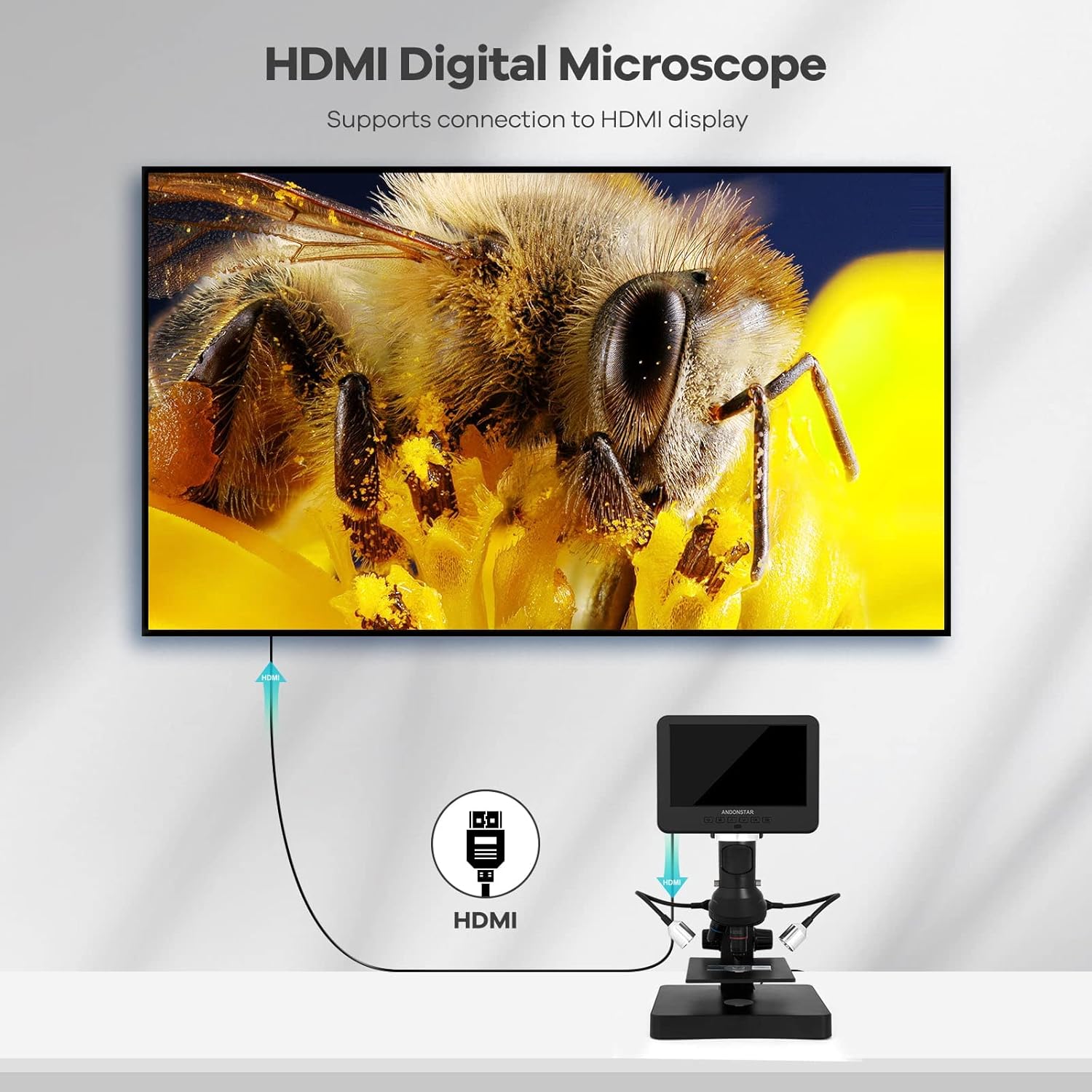
Figure 6: HDMI Output to External Display
4.8 USB Connection to PC
Connect the microscope to a Windows PC using the USB cable to utilize professional measurement software. This software allows for object measurement, area calculation, photo capture, and video recording directly on your computer.

Figure 7: USB Connection to PC for Software Use
5. Whakatakotoranga
- Rahi Hua: 7.87 x 7.48 x 11.81 inihi
- Taumaha Tūemi: 4.13 pauna (1.88 Kirokaramu)
- Tauira Tūemi: AD246S-P
- Kaihanga: Te Kamupene Hangarau o ShenZhen Andonstar, Ltd
- Momo Puna Maama: LED
- Rauemi: Kirihou
- Tae: Pango, Hiriwa
- Koki Tuturu o View: 178 Waeine
- Morahi Whakarahi: 4080.00x
- Voltage: 240 Volts
6. Tiaki
To ensure the longevity and optimal performance of your Andonstar AD246S-P microscope, follow these maintenance guidelines:
- Keep the lenses clean using a soft, lint-free cloth. Avoid abrasive materials.
- Penapenahia te karu hiko ki tētahi wāhi maroke, kore puehu ina kore e whakamahia.
- A ape i te tuku i te taputapu ki nga wera nui, ki te ra tika ranei.
- Kia tupato ki te hapai i te miihini me ona waahanga kia kore ai e pakaru.
7. Te Raru
If you encounter issues with your microscope, refer to the following common troubleshooting tips:
- Kore Mana: Ensure all cables are securely connected and the power adapter is functioning correctly.
- Atahanga Pouriuri: Adjust the focusing wheel and the bracket knob to achieve clear focus. Ensure the correct lens is installed for the desired magnification.
- Kore he Atahanga i te Mata: Check cable connections (power, HDMI, USB). Ensure the device is powered on.
- Hapa Kaari SD: Ensure the SD card is inserted correctly. Try reformatting the SD card (this will erase all data).
- Nga Take Hononga PC: Verify USB cable connection. Ensure the correct measurement software drivers are installed on your Windows PC.
8. Raihana me te Tautoko
Andonstar Technology Co., Ltd provides professional after-sales service. For any issues or inquiries, please contact our support team. We offer 24-hour professional after-sales service to assist you.