
SparkFun 15901
SparkFun Weather Meter Kit Instruction Manual
Tauira: 15901
1. Kupu Whakataki
The SparkFun Weather Meter Kit provides the essential components for measuring key weather parameters: wind speed, wind direction, and rainfall. This kit is designed for users interested in building their own weather station and requires external electronics for data acquisition. The sensors are passive, utilizing sealed magnetic reed switches and magnets, necessitating a voltage source for measurement.
2. Kete tirotiro
The SparkFun Weather Meter Kit includes the following components:
- Wind Vane (for wind direction)
- Cup Anemometer (for wind speed)
- Tipping Bucket Rain Gauge (for rainfall measurement)
- Two-part Mounting Mast
- Rain Gauge Mounting Arm
- Wind Meter Mounting Bar
- 2x Mounting Clamps
- 4x Taonga Zip
- RJ11 terminated cables for all sensors
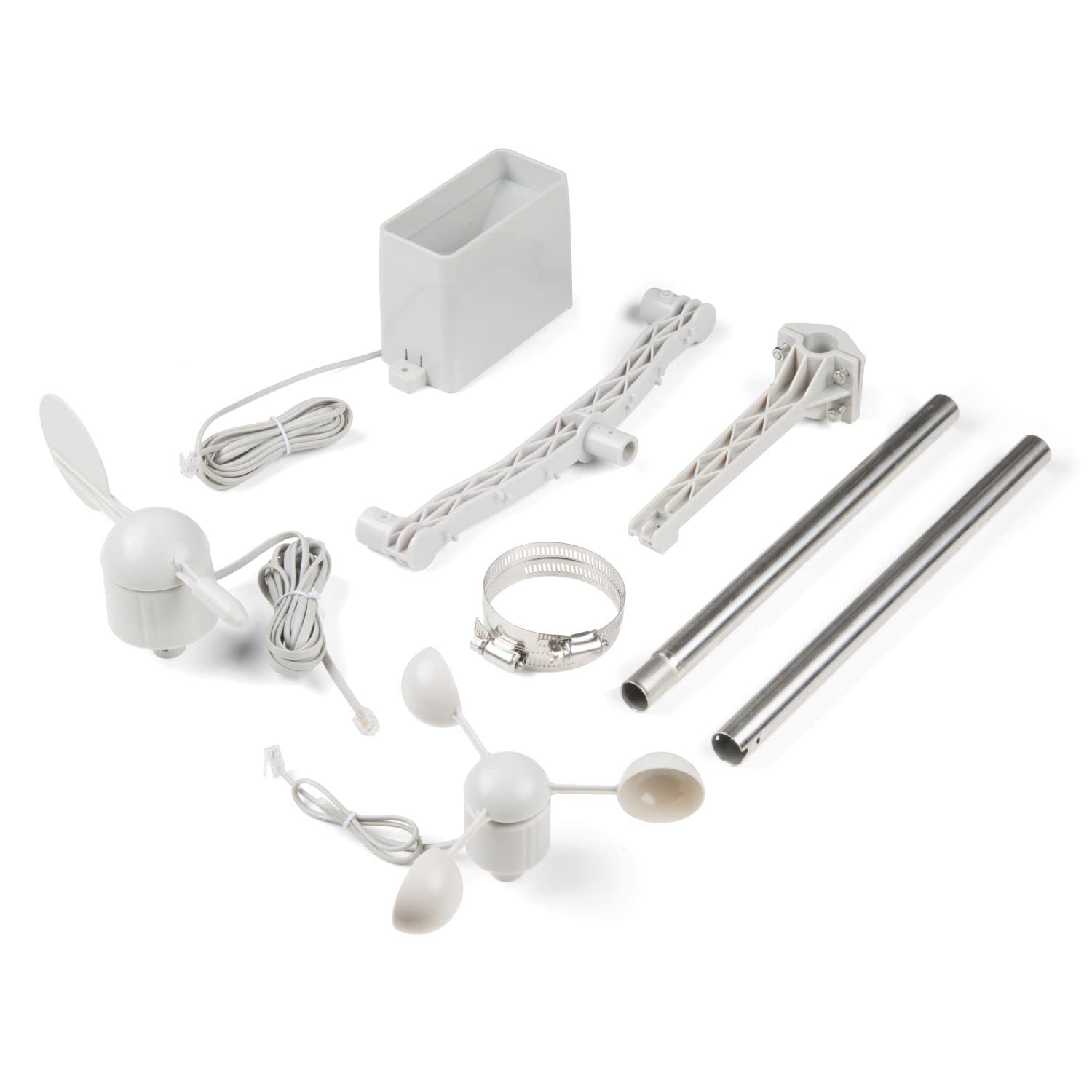
Figure 2.1: All components included in the SparkFun Weather Meter Kit.
3. Tatūnga me te Runanga
Follow these steps to assemble your SparkFun Weather Meter Kit:
3.1. Assemble Wind Sensors
- Attach the cup anemometer to the wind meter mounting bar. Ensure it is securely fastened.
- Attach the wind vane to the other end of the wind meter mounting bar.

Figure 3.1: Attaching the anemometer to the mounting bar.
3.2. Mount Rain Gauge
Secure the tipping bucket rain gauge to its dedicated mounting arm.

Figure 3.2: The tipping bucket rain gauge.
3.3. Assemble Mounting Mast
Connect the two parts of the mounting mast. Attach the assembled wind meter bar and rain gauge arm to the mounting mast using the provided clamps and zip ties. Ensure the mast is stable and vertically aligned.

Figure 3.3: Securing components to the mounting mast.

Figure 3.4: Fully assembled weather meter kit.
3.4. Sensor Connections
All sensors are supplied with RJ11 terminated cables. These cables connect the passive sensors to your data acquisition system. Refer to the pin-out information for proper connection to your control board.

Figure 3.5: RJ11 pin-out for anemometer and wind vane.
4. Mahi
The sensors in this kit are passive and require an external voltage source and a microcontroller or data logger to interpret their signals. They operate using sealed magnetic reed switches and magnets.
4.1. Te ua
The rain gauge is a self-emptying tipping bucket type. Each time the bucket tips, it activates a momentary switch closure. Each closure represents 0.011 inches of collected rain. Your system should count these closures over time to calculate total rainfall.
4.2. Anemometer (Wind Speed)
The anemometer measures wind speed by closing a switch with each rotation. A wind speed of 1.492 MPH produces one switch closure per second. By counting the number of closures over a specific time period, you can determine the wind speed.

Figure 4.1: The cup anemometer.
4.3. Wind Vane (Wind Direction)
The wind vane reports wind direction as a voltage output, generated by a combination of resistors inside the sensor. The vane's magnet may close one or two switches simultaneously, allowing for up to 16 different directional positions to be indicated. You will need to measure the voltage and map it to a specific direction based on the resistance values.

Figure 4.2: The wind vane.
Wind Vane Resistance Values:
The following table provides the resistance values for different wind directions. These values are crucial for calibrating your system to accurately read wind direction from the voltage whakaputanga.

Figure 4.3: Wind Vane Resistance Table.
5. Tiaki
The SparkFun Weather Meter Kit is designed for outdoor use. Regular inspection of the sensors and mounting hardware is recommended to ensure optimal performance and longevity. Check for any obstructions to the anemometer or wind vane, and ensure the rain gauge is free of debris. No specific routine maintenance beyond visual inspection and cleaning is typically required for these passive components.
6. Te Raru
- Inaccurate Wind Direction Readings: If using with a SparkFun weather shield, verify the calibration parameters in the associated library. Some shields may require specific adjustments to the
vaneADCValuesin the library's source file (hei tauira,SparkFun_Weather_Meter_Kit_Arduino_Library.cpp) to match the shield's circuit. Consult the weather shield's documentation or SparkFun's support resources for specific calibration details. - No Sensor Readings: Ensure all RJ11 cables are securely connected and that your data acquisition system is providing the necessary voltage source for the passive sensors. Verify your code or data logger configuration is correctly interpreting the switch closures (for rain and wind speed) or voltage outputs (for wind direction).
- Mounting Pole Twisting: If the mounting pole consists of multiple sections and twists, affecting wind direction accuracy, ensure that mounting clamps are secured across the joint between sections. For example, secure the top two screws of a clamp on the upper pipe and the bottom two screws on the lower pipe to prevent rotation.
7. Whakatakotoranga
| Āhuahira | Whakatakotoranga |
|---|---|
| Hunga Hua | 14.96 x 16.14 x 5.71 inihi |
| Taumaha | 3.5 Pauna |
| Tau tauira | 15901 |
| Waitohu | SparkFun |
| Puna Mana | External Powered (sensors are passive) |
| Āhuahira Motuhake | Atete Huarere |
| Rauemi | Multiple (Plastic, Metal) |
| Hangarau Hononga | Analog (RJ11 terminated cables) |
| Nga Waahanga kei roto | Cable, Stand, Wind vane, Cup anemometer, Tipping bucket rain gauge, Mounting Hardware |
8. Pūtāhui me te Tautoko
Information regarding specific warranty terms and direct support contacts for the SparkFun Weather Meter Kit is not available in the provided product data. Please refer to the official SparkFun website or your point of purchase for warranty details and technical support resources.
Tuhinga e pa ana - 15901
 |
Vevor WiFi Weather Station User Manual User manual for the Vevor WiFi Weather Station, detailing setup, operation, and features of the outdoor sensor and monitor. |
 |
Ambient Weather WM-4 Wind Meter Manual Kaiwhakamahi He pukapuka mo te Ambient Weather WM-4 mita hau, he whakamarama tatūnga, te mahi o te tere o te hau, te ahunga, te pāmahana, me nga mahi makuku, te whakatikatika, te whakakapi i te pākahiko, me nga korero whakamana. |
 |
WindStart Cup Anemometer Operating Instructions and Technical Data Comprehensive operating instructions, safety precautions, and technical specifications for the WindStart Cup Anemometer (models LC-876, HP876A). Learn how to measure wind speed, maximum wind speed, average wind speed, and utilize its features. |
 |
Habotest HT605 Digital Anemometer User Manual Comprehensive user manual for the Habotest HT605 digital anemometer, detailing its features for measuring wind speed, temperature, and humidity, along with operational instructions, specifications, maintenance, and warranty information. |
 |
VEVOR EM2245B Handheld Anemometer Instruction Manual - Wind Speed, Air Flow, Temperature Measurement Comprehensive instruction manual for the VEVOR EM2245B handheld anemometer. Learn how to measure wind velocity, air flow, temperature, and wind chill. Includes operation, specifications, and troubleshooting. |
 |
Anemometer Instruction Manual: Wind Speed & Temperature Meter Guide Comprehensive instruction manual for the handheld anemometer, detailing its functions, operation, specifications, and contact information. Learn how to measure wind speed, temperature, and wind chill. |
Ask a question about this manual
Ask about setup, troubleshooting, compatibility, parts, safety, or missing instructions. Manuals+ will review the question and use this page’s manual context to help answer it.