
1. Kupu Whakataki
This manual provides essential instructions for the safe and efficient installation, operation, and maintenance of the MARS 90342 Power-Power 240V Switching Relay. Please read this manual thoroughly before use and retain it for future reference.
2. Nga korero haumaru
WARNING: Risk of electric shock. Installation and servicing must be performed by qualified personnel only. Disconnect power before installation or servicing. Follow all local and national electrical codes.
- Ensure proper grounding of the system where the relay is installed.
- Do not exceed the specified electrical ratings for the relay.
- Me mau ngā taputapu tiaki whaiaro (PPE) e tika ana i te wā e tāuta ana, e tiaki ana hoki.
3. Hua Neke Atuview
The MARS 90342 is a 240V switching relay designed for HVAC/R applications. It features a robust contact rating suitable for various resistive and inductive loads. The relay is equipped with quick-connect terminals for straightforward wiring.
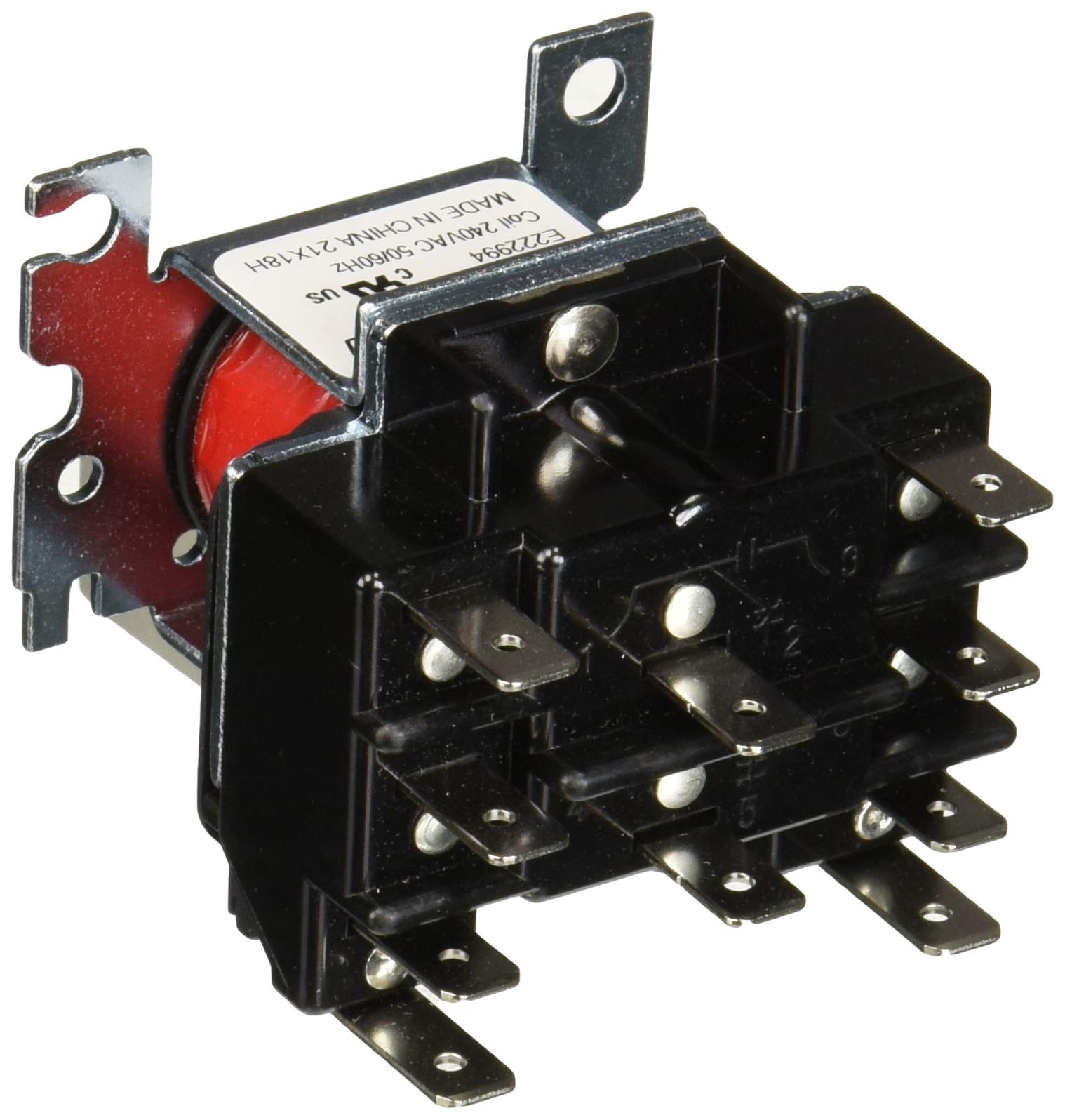
Image 1: MARS 90342 Power-Power 240V Switching Relay. This image shows the compact design of the relay with its quick-connect terminals visible.
Ko nga ahuatanga matua ko:
- Contact rating: 25A at 277 VAC resistive, 15A at 277 VAC inductive.
- Voltage: ≤192Vac.
- Relay Type: HVAC/R.
- Terminal Style: Quick Connect.
4. Tatūnga me te Tāuta
Utauta e hiahiatia ana: Standard electrical tools, wire strippers, screwdriver, multimeter.
- Momotu Hiko: Before beginning any installation, ensure that all power to the circuit is disconnected at the main breaker or fuse panel. Verify with a multimeter.
- Whakapiki: The MARS 90342 relay is designed for socket mounting. Select a secure and stable mounting location that is free from excessive vibration, moisture, and extreme temperatures. Ensure adequate ventilation.
- Waea waea: Connect the relay according to the specific wiring diagram of your HVAC/R system. The relay features quick-connect terminals for electrical connections. Ensure all connections are firm, secure, and properly insulated to prevent short circuits or electrical hazards. The coil voltage for this relay is 240 Volts AC. The contact type is Normally Open.
- Manatoko: After wiring, double-check all connections against the system's wiring diagram. Ensure no bare wires are exposed.
- Whakaora Hiko: Kia oti te whakaurunga me te manatoko, whakahokia te hiko ki te ara iahiko.
5. Nga Tohutohu Whakahaere
The MARS 90342 relay operates automatically based on the control circuit's signal. Once properly installed and wired, it will switch the connected load when its coil is energized by the control voltage.
- Voltage: The relay will activate when the coil voltage reaches or exceeds 192Vac.
- Pupuri Voltage: Once activated, the relay will remain engaged as long as the coil voltage is maintained at 192Vac or higher.
- Whakataka-waho Voltage: The relay will de-activate when the coil voltage drops below 38.4Vac.
No manual operation is required for this automatic switching relay.
6. Tiaki
The MARS 90342 relay is designed for reliable operation and typically requires minimal maintenance. Regular inspections can help ensure its longevity and proper function.
- Tirohanga Ia Wa: Annually, or as part of routine system maintenance, inspect the relay and its connections.
- Taki Waahi: Ensure all quick-connect terminals are free from corrosion and remain securely attached to their respective wires.
- Te ma: Keep the relay housing free from excessive dust, dirt, and debris, which can impede heat dissipation.
- Aromatawai kino: Look for any signs of physical damage, discoloration from overheating, or unusual odors. If any such signs are observed, the relay should be replaced.
Momotuhia i nga wa katoa te hiko i mua i te mahi tiaki, tirotiro ranei.
7. Te Raru
Mena kāore te mahi a te relay e rite ana ki te mea e tumanakohia ana, whakaarohia ngā mahi rapurongoā e whai ake nei:
- Kāore te Relay e Whakahohe ana:
- Tirohia te mana iahiko voltage. Ensure that 240V AC is being supplied to the relay coil when activation is expected.
- Verify all wiring connections to the coil are secure and correct according to the system's wiring diagram.
- Test the continuity of the relay coil with a multimeter (with power disconnected). An open circuit indicates a faulty coil.
- Load Not Switching:
- Confirm that the relay is physically activating (an audible click should be heard, or a visual indicator if present).
- With power disconnected, check the continuity across the relay's contacts when the coil is energized (simulated or actual).
- Verify that the load circuit itself is functional and receiving power from the relay's contacts when activated.
If issues persist after performing these checks, it is recommended to consult a qualified electrician or HVAC/R technician.
8. Whakatakotoranga
| Whakatakotoranga | Uara |
|---|---|
| Tau tauira | 90342 |
| Waitohu | MARE |
| Whakatauranga Whakapā (Atete) | 25A i te 277 VAC |
| Whakatauranga Whakapā (Whakauru) | 15A i te 277 VAC |
| Puawai Porakatage | 240 VAC |
| Voltage | ≤192 VAC |
| Pupuri Voltage | 192 VAC |
| Whakataka-waho Voltage | ≥38.4 VAC |
| Auautanga | 50/60 Hz |
| Terminal Style | Hono Tere |
| Momo Rerei | HVAC/R |
| Momo Whakaeke | Maunga Turanga |
| Rauemi | Te parahi |
| Hunga Hua | 2.7 x 2.4 x 2.7 inihi |
| Taumaha Tūemi | 3.66 hekere |
| Nga Waahanga kei roto | 1 switching relay |
| UPC | 685744903420 |
9. Pūtāhui me te Tautoko
For warranty information or technical support regarding your MARS 90342 Power-Power 240V Switching Relay, please contact MARS - Motors & Armatures, Inc. directly. Refer to the product packaging or the manufacturer's official webpae mo nga taipitopito whakapā me nga kupu whakamana.
Ina whakapā atu ki te tautoko, kia rite nga korero e whai ake nei:
- Tau Tauira: 90342
- Te waahanga waahanga: 90342
- Te Ra o te Hokonga