
Okwu mmalite
Thank you for choosing the Hisense APC09QC Portable Air Conditioner. This manual provides essential information for the safe and efficient operation of your new appliance. Please read these instructions thoroughly before use and retain them for future reference. This portable air conditioner is designed to provide cooling for indoor spaces, featuring a compact design and convenient mobility.
Ozi nchekwa
Na-agbaso usoro nchekwa nchekwa mgbe niile mgbe ị na-eji ngwa eletriki iji belata ihe egwu nke ọkụ, ujo eletrik na mmerụ ahụ.
- Gbaa mbọ hụ na ọkọnọ ike dabara na voltage akọwapụtara na akara ọkwa nke otu ahụ.
- Ejila eriri ma ọ bụ plọg mebiri emebi rụọ ọrụ ahụ.
- Etinyekwala mkpịsị aka ma ọ bụ ihe n'ime oghere ikuku ma ọ bụ ntinye.
- Keep the unit away from flammable materials and open flames.
- Kwupuo unit ahụ mgbe niile tupu ihicha ma ọ bụ rụọ ọrụ.
- Do not use the unit in wet environments such as bathrooms or laundry rooms.
- Ezubere ngwa a maka iji ndị mmadụ (gụnyere ụmụaka) nwere ike anụ ahụ, mmetụta uche ma ọ bụ nke uche, ma ọ bụ enweghị ahụmịhe na ihe ọmụma, ma ọ bụrụ na enyereghị ha nlekọta ma ọ bụ ntụziaka gbasara iji ngwa ahụ site n'aka onye na-ahụ maka nchekwa ha.
Ihe ngwugwu
Carefully unpack your portable air conditioner and check that all items are present.
- Hisense APC09QC Portable Air Conditioner Unit
- Ọkụ ikuku mmiri
- Window Sealing Kit (components may vary, refer to specific kit instructions)
- Njikwa anya (ọ bụrụ na etinyere ya)
- Akwụkwọ ntuziaka (akwụkwọ a)
Ngwaahịa gafereview
Familiarize yourself with the main components of your Hisense APC09QC Portable Air Conditioner.
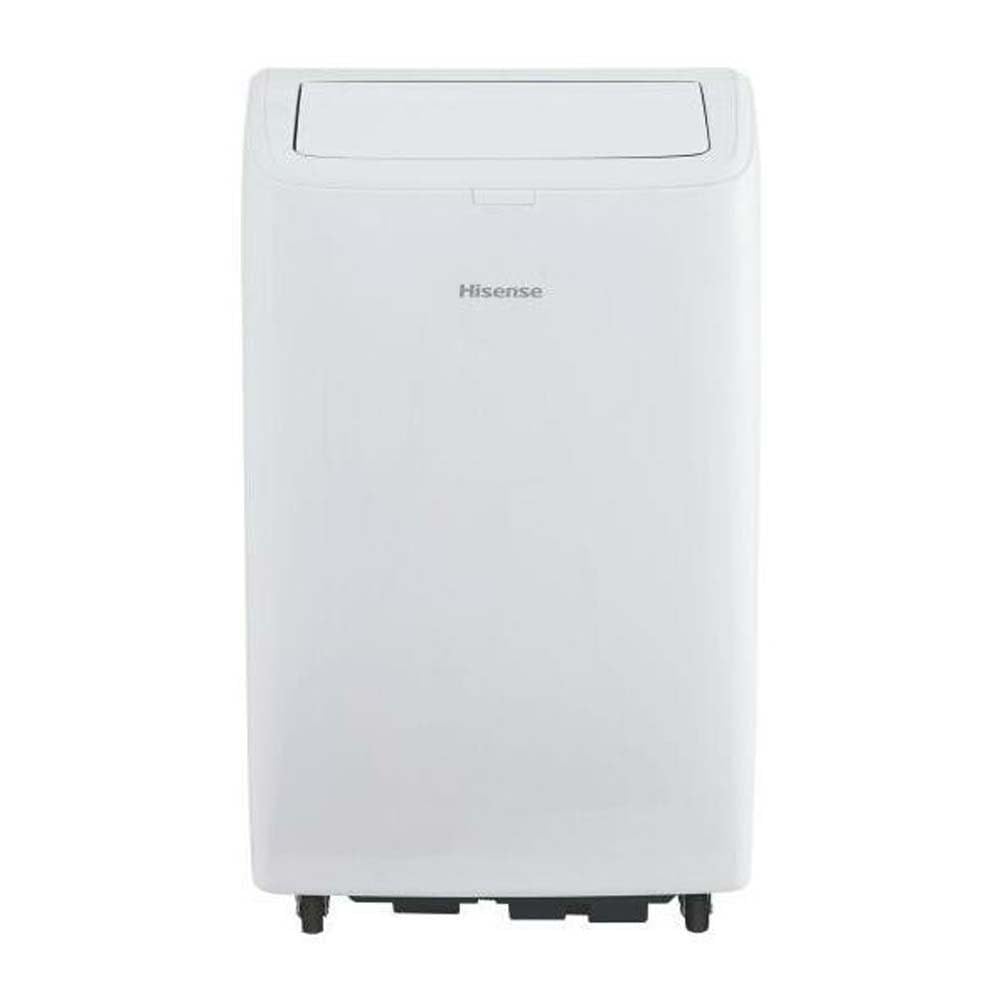
Foto 1: N'ihu view of the Hisense APC09QC Portable Air Conditioner. The unit is white with the Hisense logo on the front. The top air outlet flap is open, showing the internal louvers.

Foto 2: Akụkụ view of the Hisense APC09QC Portable Air Conditioner. This image highlights the integrated side handle for easy transport and the caster wheels at the base, facilitating movement.

Foto 3: N'elu view of the Hisense APC09QC Portable Air Conditioner. The air outlet flap is closed, showing the sleek top panel where the control interface is typically located.
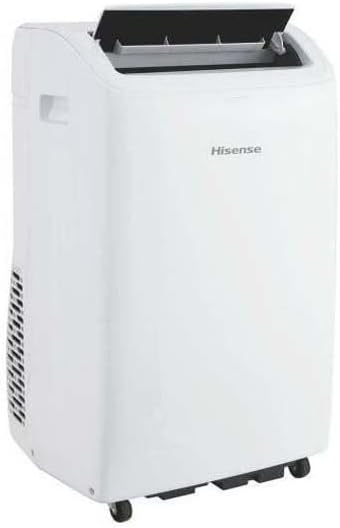
Foto 4: N'azụ-akụkụ view of the Hisense APC09QC Portable Air Conditioner. This angle shows the exhaust vent grille on the side, where the air exhaust hose connects.
Akụkụ ndị bụ isi:
- Ogwe njikwa: Located on the top of the unit for easy access to settings.
- Ọpụpụ ikuku: Adjustable louvers to direct airflow.
- Ihe nkedo: For convenient movement between rooms.
- Aka Akụkụ: For lifting and carrying the unit.
- Ihe nzacha ikuku: Removable for cleaning, located behind a grille (typically on the back or side).
- Exhaust Air Outlet: Connection point for the exhaust hose to vent hot air outside.
- Ọdụ ụgbọ mmiri igbapu: For manual drainage of condensed water.
Melite
Nhazi kwesịrị ekwesị dị oke mkpa maka arụmọrụ na nchekwa kacha mma.
- Nkwanye: Place the air conditioner on a flat, stable surface near a window. Ensure there is at least 20 cm (8 inches) of space around the unit for proper airflow. Do not block the air inlets or outlets.
- Nwụnye Hose Exhaust:
- Attach one end of the air exhaust hose to the exhaust air outlet on the back of the unit. Twist or click into place securely.
- Extend the other end of the hose to the window.
- Install the window sealing kit according to its specific instructions. This typically involves fitting the adjustable window slider kit into the window opening and sealing any gaps to prevent hot air from re-entering the room.
- Connect the exhaust hose adapter to the window kit, ensuring a tight seal to expel hot air outdoors.
- Njikọ ike: Plug the power cord into a grounded electrical outlet. Ensure the outlet meets the electrical requirements of the unit (230 Volts).
- Initial Drainage Check: Before first use, ensure the drain plug is securely closed to prevent water leakage during operation.
Ntuziaka ọrụ
Your Hisense APC09QC offers various modes and settings for personalized comfort.
Ogwe njikwa na njikwa anya:
The unit can be operated via the control panel on top of the unit or the included remote control. The functions are generally identical.
- Bọtịnụ ike: Gbanyụọ otu ahụ ma ọ bụ gbanyụọ.
- Bọtịnụ ụkpụrụ: Cycles through available operating modes: Cool, Fan, Dehumidify.
- Bọtịnụ elu/ala okpomọkụ: Na-emezi ntọala okpomọkụ achọrọ.
- Bọtịnụ Ọsọ Ọsọ: Na-ahọrọ ọsọ fan (Ọ dị ala, Ọkara, Elu).
- Bọtịnụ ngụ oge: Na-edobe oge ịgbanwuo ma ọ bụ gbanyụọ akpaaka.
- Sleep/Silent Mode Button: Activates a quieter operation mode for nighttime use.
Ụdị arụ ọrụ:
- Ọnọdụ Cool: Provides cooling. Set your desired temperature using the Up/Down buttons. The unit will cool until the room reaches the set temperature.
- Fan Ọnọdụ: Circulates air without cooling. You can adjust the fan speed.
- Ụdị wepụ iru mmiri: Removes moisture from the air. The fan speed is typically fixed in this mode.
WiFi Connectivity and App Control:
The Hisense APC09QC is WiFi enabled and can be controlled via a smartphone application, such as ConnectLife. Refer to the app's instructions for pairing and remote operation. This allows for control through Google Assistant and Alexa.
- Download the ConnectLife app from your device's app store.
- Follow the in-app instructions to create an account and add your Hisense APC09QC unit.
- Once connected, you can control modes, temperature, fan speed, and set schedules remotely.
Nlekọta
Regular maintenance ensures efficient operation and extends the lifespan of your air conditioner.
- Na-ehicha ihe nzacha ikuku:
- Ekwesịrị ịsacha ihe nzacha ikuku kwa izu abụọ ma ọ bụ karịa karịa dabere na ojiji na ogo ikuku.
- Kwụpụ unit ahụ.
- Remove the filter from its housing (refer to the unit's diagram for exact location).
- Wash the filter with warm, soapy water. Rinse thoroughly and allow it to air dry completely before reinstalling.
- Na-agbapụta mmiri na-ekpo ọkụ:
- During cooling and dehumidifying, water condenses inside the unit. The unit has an internal reservoir.
- When the reservoir is full, the unit may stop operating and display an indicator.
- Unplug the unit. Place a shallow pan or tray under the drain port.
- Remove the drain plug to allow water to flow out. Re-insert the plug once drainage is complete.
- Na-ehicha Mpụga:
- Jiri nwayọ hichaa mpụta, damp akwa . Ejila kemịkalụ siri ike ma ọ bụ ihe mkpocha abrasive.
- Gbaa mbọ hụ na ọ nweghị mmiri na-abanye na panel njikwa ma ọ bụ ihe eletriki ndị ọzọ.
- Nchekwa:
- Before long-term storage, drain all condensed water completely.
- Clean the air filter and ensure the unit is dry.
- Store the unit in an upright position in a cool, dry place, away from direct sunlight.
Nchọpụta nsogbu
Tupu ịkpọtụrụ ọrụ ndị ahịa, rụtụ aka na nsogbu na azịza ndị a na-ahụkarị.
| Nsogbu | Ihe nwere ike ime | Ngwọta |
|---|---|---|
| Unit anaghị agbanwuo. | Enweghị ike, eriri ọkụ eletrik adọpụghị, ihe mgbawa sekit adọkpụọla, tankị mmiri zuru oke. | Lelee njikọ ike, tọgharịa ihe mgbawa sekit, wụpụ tank mmiri. |
| Otu anaghị ajụ oyi nke ọma. | Dirty air filter, blocked air intake/outlet, exhaust hose not properly installed/sealed, room too large, windows/doors open. | Clean air filter, ensure clear airflow, properly install and seal exhaust hose, close windows/doors. |
| Mgbapu mmiri. | Drain plug loose or open, unit not level, internal reservoir full. | Ensure drain plug is secure, place unit on a level surface, drain water tank. |
| Ngalaba na-eme mkpọtụ. | Unit not on a level surface, fan obstruction, normal operating sounds. | Ensure unit is level, check for obstructions, some noise is normal during operation. |
| Nsogbu njikọ WiFi. | Incorrect network password, unit too far from router, app issues. | Verify WiFi password, move unit closer to router, restart app/unit, consult app's troubleshooting guide. |
Nkọwapụta
Technical details for the Hisense APC09QC Portable Air Conditioner.
| Nọmba nlereanya | APC09QC |
| Akụkụ (D x W x H) | 49 cm x 31 cm x 88 cm (19.3 na x 12.2 na x 34.6 na) |
| Ibu | 25.5 n'arọ (56.2 lbs) |
| Ike jụrụ oyi | 9000 BTU/h (2.6 kW / 2236 fg/h) |
| Klas arụmọrụ ike | A |
| Oke arụmọrụ ike nke oge (SEER) | 37.4 |
| Ọkwa mkpọtụ | 63 decibel |
| Igwe nju oyi | R-290 |
| Voltage | 230 volts |
| Power Consumption (Cooling) | 2.6 kW |
| Mpaghara ala dị na ya | Ruo 60 square mita |
| Atụmatụ pụrụ iche | Silent Mode, WiFi Enabled (App Control) |
| Usoro njikwa | Control Panel, Remote Control, Application |
| Ọnụọgụ nke ọkwa ike | 3 (Ọsọ Fan) |
| Minimum Window Opening Height | 70.8 cm (27.9 inch) |
| Minimum Window Opening Width | 32 cm (12.6 inch) |
Akwụkwọ ikike na nkwado
Your Hisense APC09QC Portable Air Conditioner comes with a manufacturer's warranty.
- Oge ikike: This product is covered by a two-year manufacturer's warranty from the date of purchase. This warranty covers defects in materials and workmanship under normal use.
- Mkpesa akwụkwọ ikike: For warranty service, please retain your proof of purchase. Contact Hisense customer support or the retailer where the product was purchased. Do not attempt to repair the unit yourself, as this may void the warranty.
- Nkwado ndị ahịa: For technical assistance, troubleshooting beyond this manual, or to inquire about parts and service, please visit the official Hisense website or contact their customer service department. Contact information can typically be found on the Hisense websaịtị ma ọ bụ na ngwaahịa ndebanye aha gị.