
1. Introducción
This manual provides essential information for the proper installation, operation, and maintenance of the ALLIANCE LAUNDRY SYSTEMS 37820 Drive Belt. This genuine OEM part is designed to connect the drive motor to the drive system in compatible washing machines, enabling the basket to agitate and spin effectively. Adhering to these instructions will help ensure optimal performance and longevity of the drive belt.
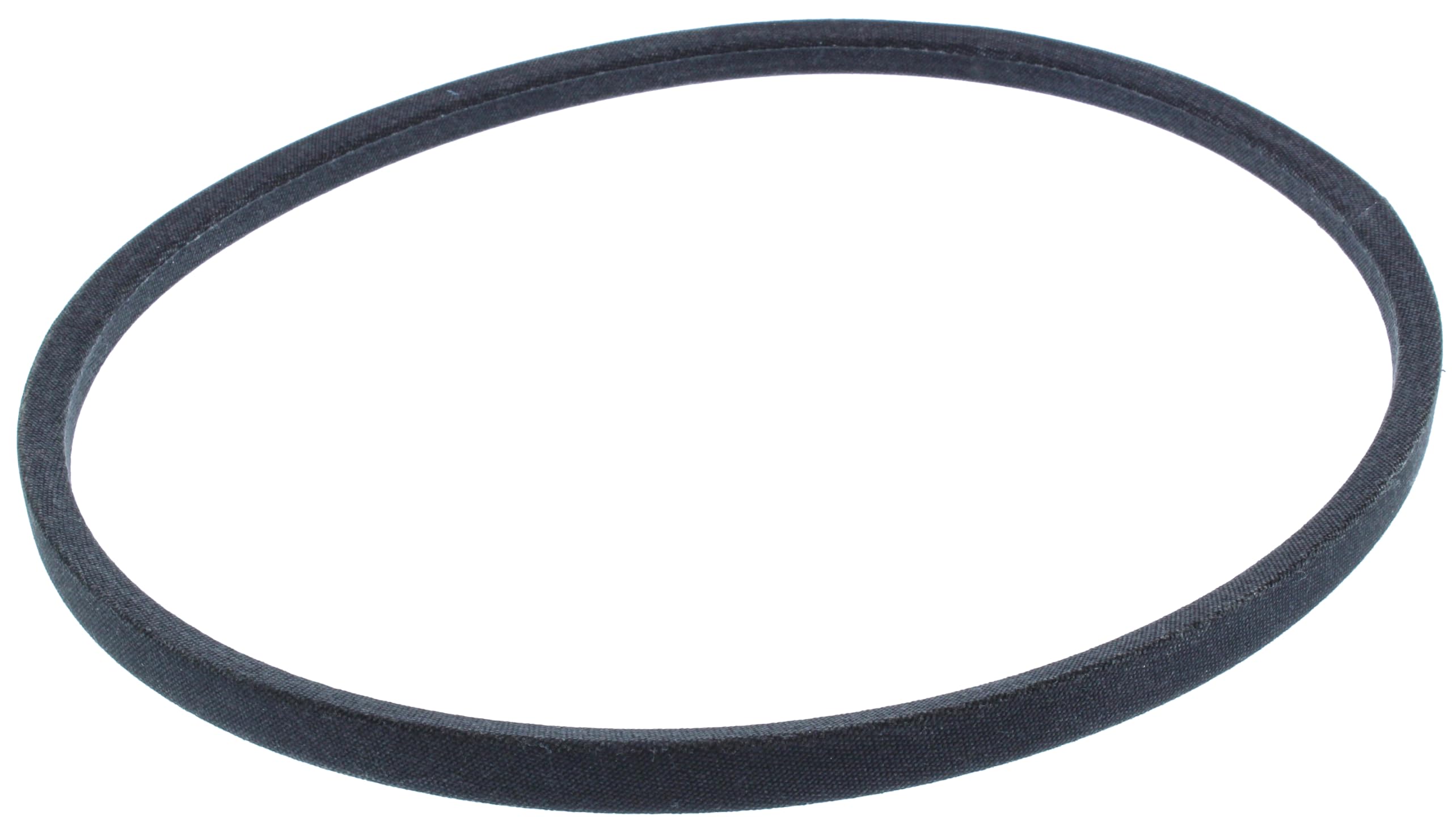
Figure 1: ALLIANCE LAUNDRY SYSTEMS 37820 Drive Belt. This image displays the black drive belt, which is a crucial component for washer functionality.
2. Información de seguridad
WARNING: Before attempting any installation or maintenance, always disconnect the appliance from all utilities (power, water, gas) to prevent electric shock, injury, or property damage.
- Utilice equipo de protección personal (EPP) adecuado, como guantes y gafas de seguridad, durante la instalación.
- Asegúrese de que el área de trabajo esté bien iluminada y libre de obstrucciones.
- Si no está seguro de algún paso, consulte con un técnico calificado.
- Mantenga a los niños y a las mascotas alejados del aparato durante el mantenimiento.
3. Compatibilidad
The ALLIANCE LAUNDRY SYSTEMS 37820 Drive Belt is compatible with various commercial washer brands. Verify your appliance's model number to ensure proper fitment.
Marcas compatibles:
- Alianza
- Amana
- Econo-Wash
- Cissell
- Huebsch
- Puedetag
- Reina de la velocidad
- Unimac
4. Instrucciones de instalación
This section outlines the general steps for replacing a washing machine drive belt. Specific procedures may vary by appliance model. Refer to your washing machine's service manual for detailed instructions.
- Desconectar la energía: Desenchufe la lavadora del tomacorriente.
- Acceda al sistema de accionamiento: Depending on your washer model, this may involve removing the back panel, front panel, or tilting the machine. Secure any panels or components removed.
- Localice el cinturón antiguo: Identify the existing drive belt connecting the motor pulley to the transmission or tub pulley.
- Retire la correa vieja: Carefully remove the old belt. This may require releasing tensioners or gently prying the belt off the pulleys. Note its routing for reference.
- Inspeccionar las poleas: Check both the motor and transmission/tub pulleys for any damage, wear, or debris. Clean them if necessary.
- Instalar la correa nueva: Place the new ALLIANCE LAUNDRY SYSTEMS 37820 Drive Belt onto the pulleys. Ensure it is correctly seated and aligned. Apply tension as required by your washer's design (some belts are self-tensioning, others require manual adjustment).
- Verificar alineación: Rotate the tub or motor pulley by hand a few times to ensure the belt is properly aligned and moves freely without rubbing against other components.
- Volver a montar: Reattach any panels or components removed during access. Ensure all fasteners are securely tightened.
- Reconectar la energía: Vuelva a enchufar la lavadora a la toma eléctrica.
- Operación de prueba: Run a short cycle (e.g., spin cycle) to confirm proper operation of the new drive belt. Listen for unusual noises.
5. Operación (Post-Instalación)
After successful installation of the 37820 Drive Belt, the washing machine should resume normal agitation and spin functions. During the first few cycles, pay attention to any unusual noises or vibrations, which could indicate an issue with installation or other components.
- Ensure the washer tub spins freely and without obstruction.
- Confirm that the agitation cycle engages correctly.
- Verify that the spin cycle reaches appropriate speeds to extract water from laundry.
6. Mantenimiento
Regular inspection and proper maintenance can extend the life of your drive belt and washing machine.
- Inspección periódica: Annually, or if performance issues arise, inspect the drive belt for signs of wear, cracking, fraying, or glazing. Replace the belt if any damage is observed.
- Limpieza: Keep the area around the motor and pulleys free of lint, debris, and detergent residue, which can cause premature belt wear.
- Gestión de carga: Avoid consistently overloading the washing machine, as this can put excessive strain on the drive belt and motor.
7. Solución de problemas
If your washing machine experiences issues after belt replacement, consult the table below for common problems and potential solutions.
| Problema | Posible causa | Solución |
|---|---|---|
| Washer does not spin or agitate | Belt is loose or broken; Motor issue; Transmission issue | Check belt tension and condition; Inspect motor and transmission for faults. |
| Loud squealing noise during operation | Belt is slipping; Worn pulleys; Bearing issue | Check belt tension; Inspect pulleys for wear; Consult a technician for bearing issues. |
| Olor a quemado | Belt is slipping excessively; Motor overheating | Immediately disconnect power. Check belt tension and for obstructions. If smell persists, consult a technician. |
| Tub spins slowly or weakly | Belt is worn or loose; Overloaded washer | Inspect and replace belt if worn; Adjust belt tension; Reduce load size. |
8. Especificaciones
- Número de modelo: 37820
- Marca: ALLIANCE LAUNDRY SYSTEMS
- Peso del artículo: Aproximadamente 3.2 onzas
- Dimensiones del producto: Aproximadamente 5 x 27 x 2.5 pulgadas (dimensiones del embalaje)
- Color: Negro
- Dispositivo compatible: Lavadora
- Componentes incluidos: 37820 correa de transmisión
- Fabricante: Sistemas de lavandería Alliance
9. Información de eliminación
When disposing of the old drive belt, please do so in accordance with local environmental regulations. Drive belts are typically made of rubber and synthetic materials, which may be recyclable in some areas. Consult your local waste management facility for proper disposal or recycling options.